First International High-Level Roundtable on Mutual Learning Between Chinese and Western Civilizations Concludes Successfully in Macao
First International High-Level Roundtable on Mutual Learning Between Chinese and Western Civilizations Concludes Successfully in Macao
22
Apr
22/04/2026
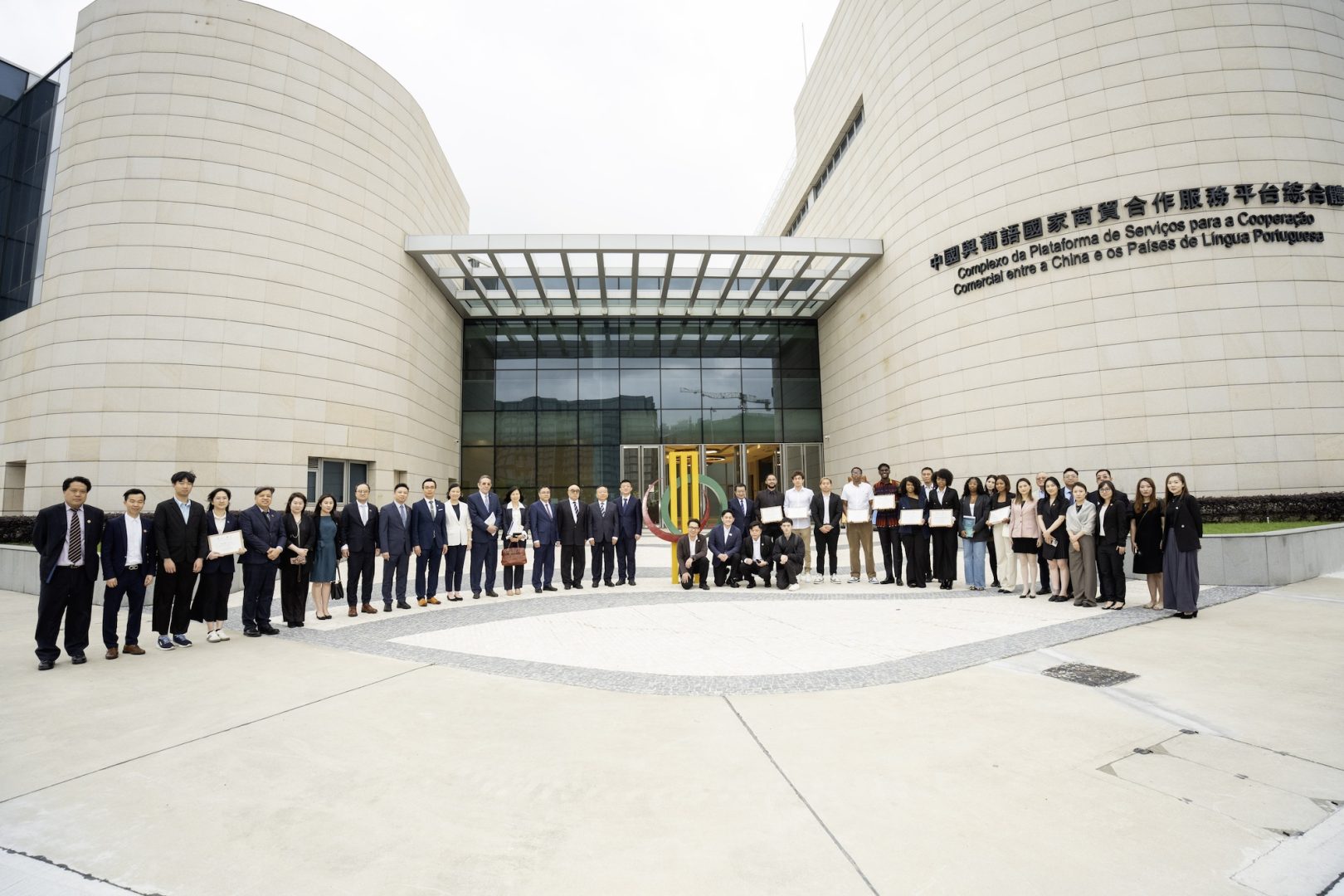
The “First International High-Level Roundtable on Mutual Learning Between Chinese and Western Civilizations” was successfully held on 11 April 2026 in the conference hall of the China-Portuguese Speaking Countries Trade and Cooperation Service Platform Complex.
To thoroughly implement President Xi Jinping’s important philosophy on the exchange and mutual learning between civilisations, and to put into practice the strategic deployment outlined in the 15th Five-Year Plan regarding Macao’s role as a key window for the exchange and mutual learning between Chinese and Western civilisations, the “First International High-Level Roundtable on Mutual Learning Between Chinese and Western Civilizations” was successfully held on 11 April 2026 in the conference hall of the China-Portuguese Speaking Countries Trade and Cooperation Service Platform Complex. Co-organised by the Macao Youth Association of Patriotic Education, the University of Saint Joseph, Doctor Think Tank, and the Macao Live Streaming Association, with the support of the Union of Macao Scholars, and organised by the Doctoral Think Tank Social and Cultural Advisory Committee, Doctoral Think Tank Mutual Learning and Exchange Advisory Committee, Doctoral Think Tank Journal, the forum successfully brought together youth representatives from more than ten economies to discuss the integration of civilisations.
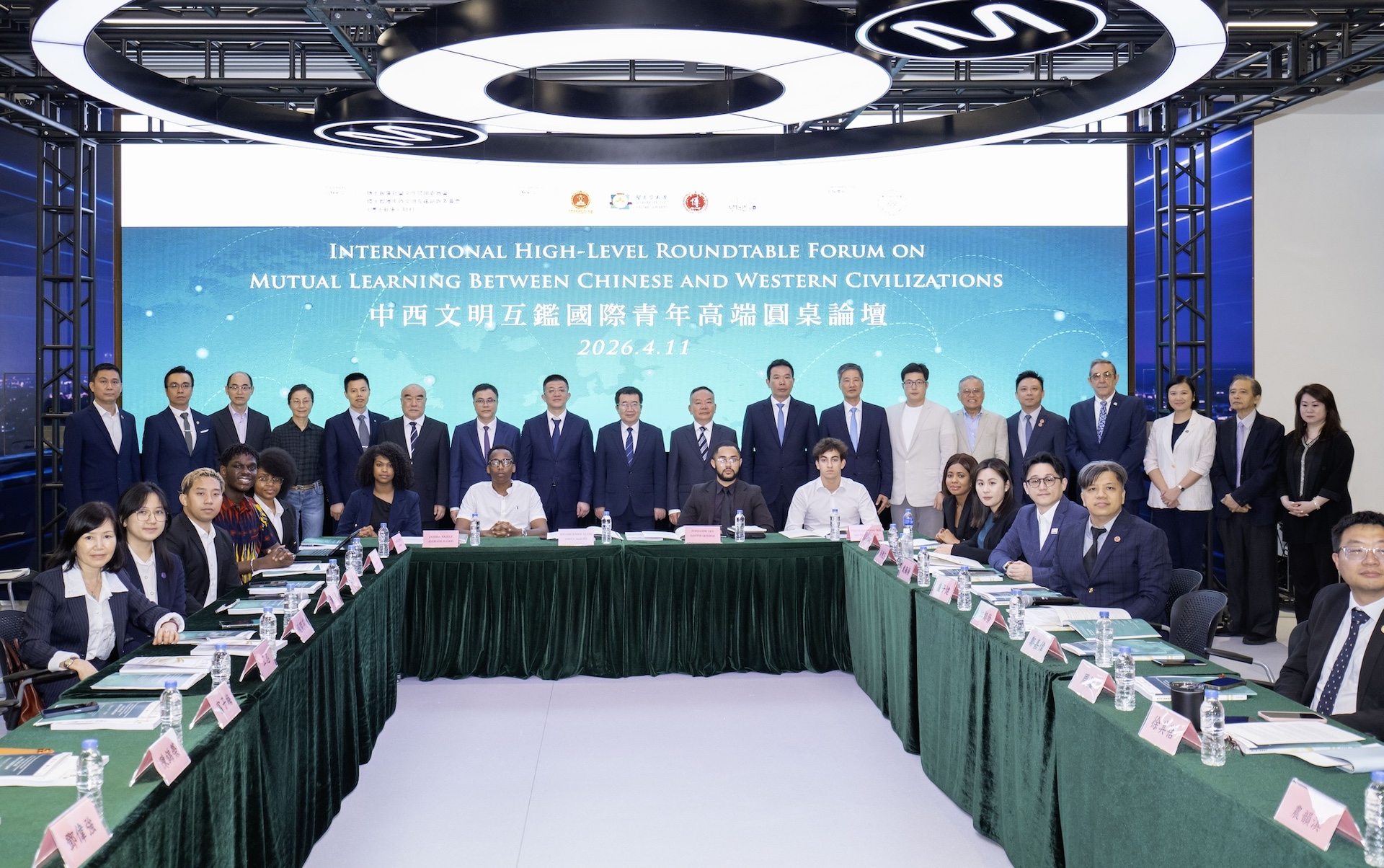
With the core objective of establishing a high-level platform for cultural exchange and mutual learning among young people worldwide, the forum engaged in in-depth discussions on the pathways and methods for the integration and mutual understanding of Chinese and Western civilisations. The programme was meticulously organised and varied, encompassing guest introductions, a group photograph, opening remarks by the organisers, keynote speeches, a youth dialogue session, and the presentation of certificates and letters of appreciation.
Key guests attending the forum included: Guan Yanbin, Director of the Social Work Department (Research Office) of the Liaison Office of the Central People’s Government in the Macao SAR; Gao Yuan, Director of the Department of Information and Public Diplomacy at the Office of the Commissioner of the Ministry of Foreign Affairs of the People’s Republic of China in the Macao SAR; and Zhang Zuowen, Director of the Policy Research and Regional Development Bureau; Tang Lijun, Deputy Director of the General Office of the Liaison Office of the Central People’s Government in the Macao SAR; Chen Jialiang, Member of the Executive Council of the Macao SAR and Chairman of the Macao Federation of Neighbourhood Associations; and Ruan Jiankun, Member of the National Committee of the Chinese People’s Political Consultative Conference, Standing Committee Member of the All-China Federation of Industry and Commerce, Chairman of the Macao Yanwo Group, and Executive Director of Liu Mian Restaurant, amongst other distinguished guests.
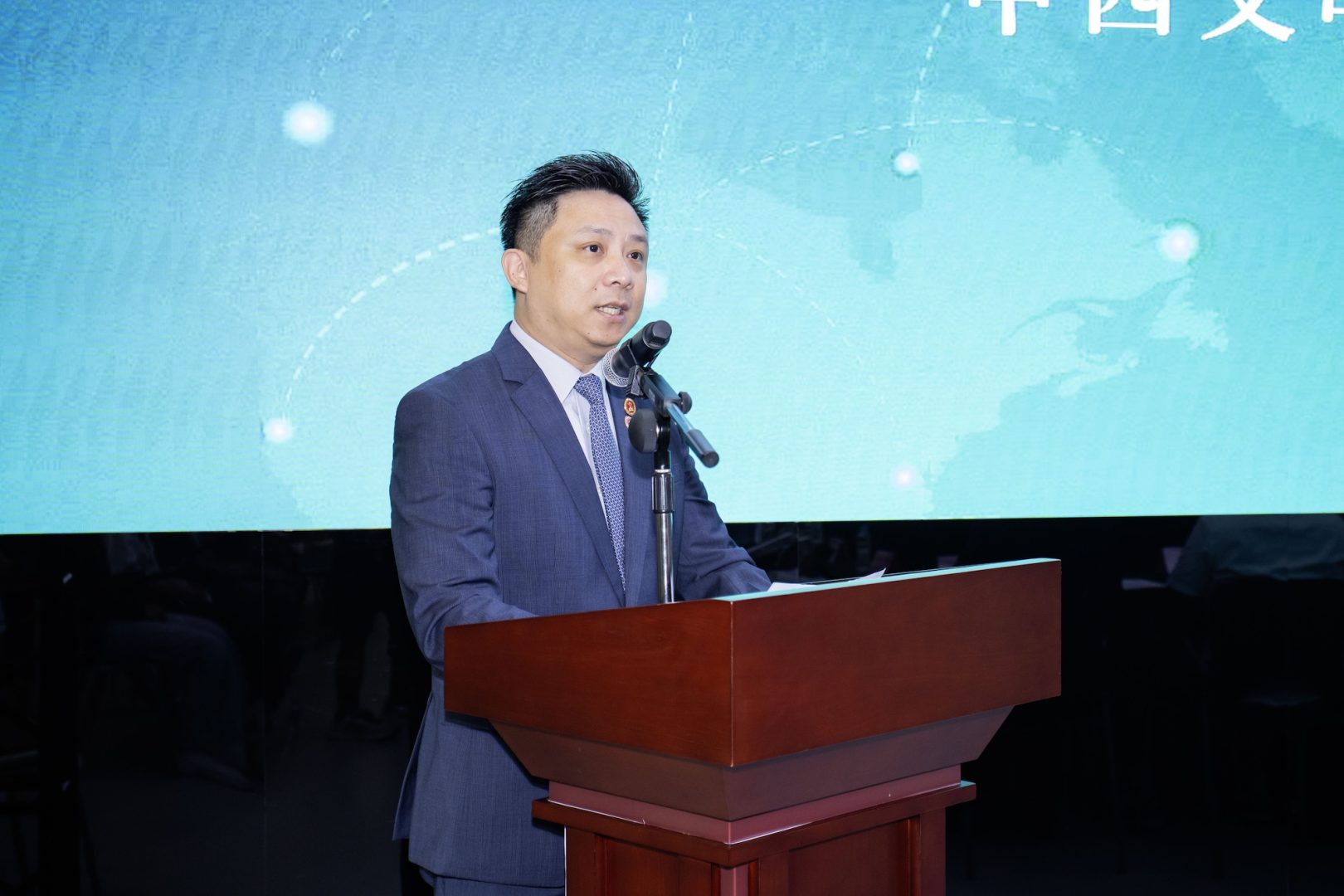
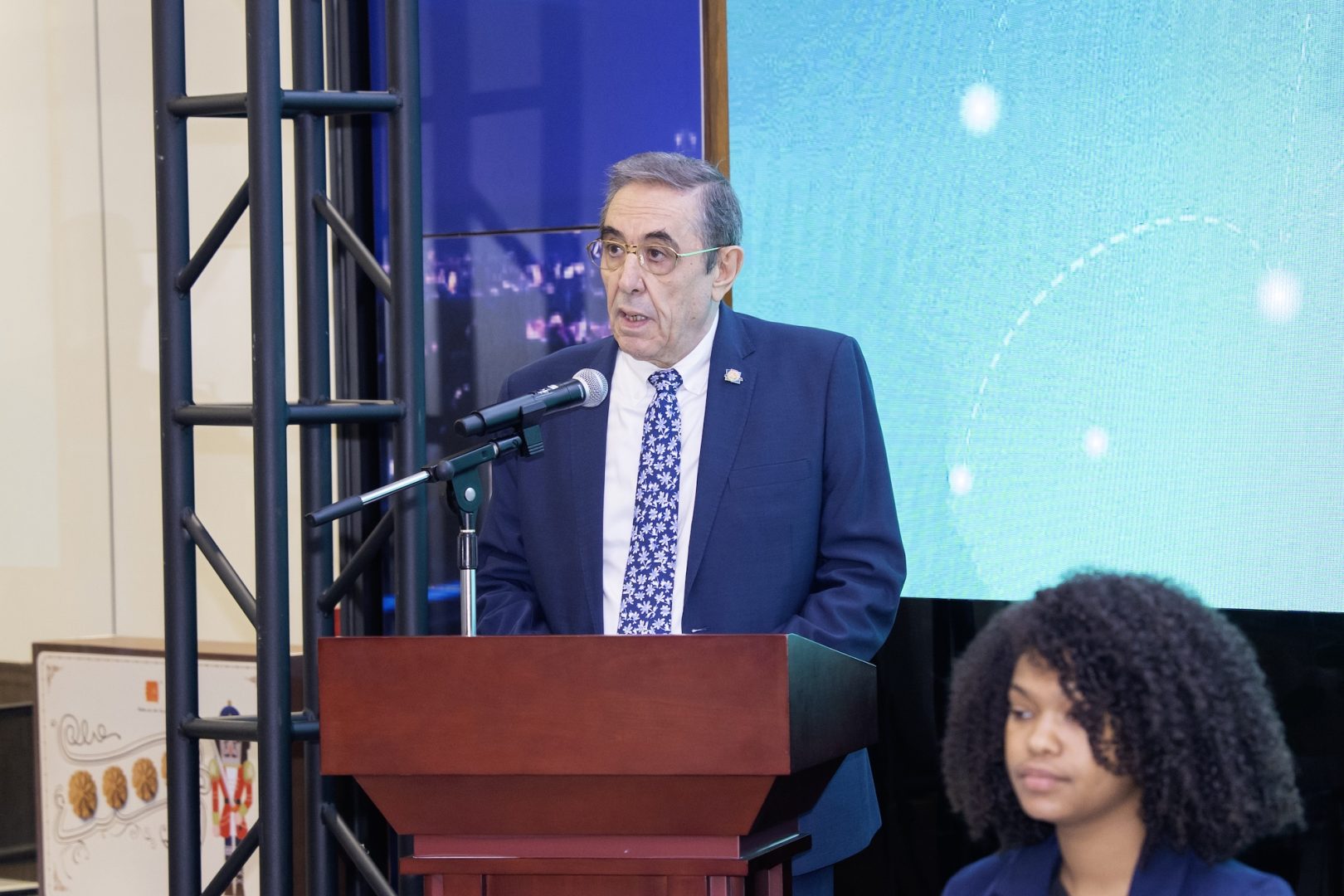
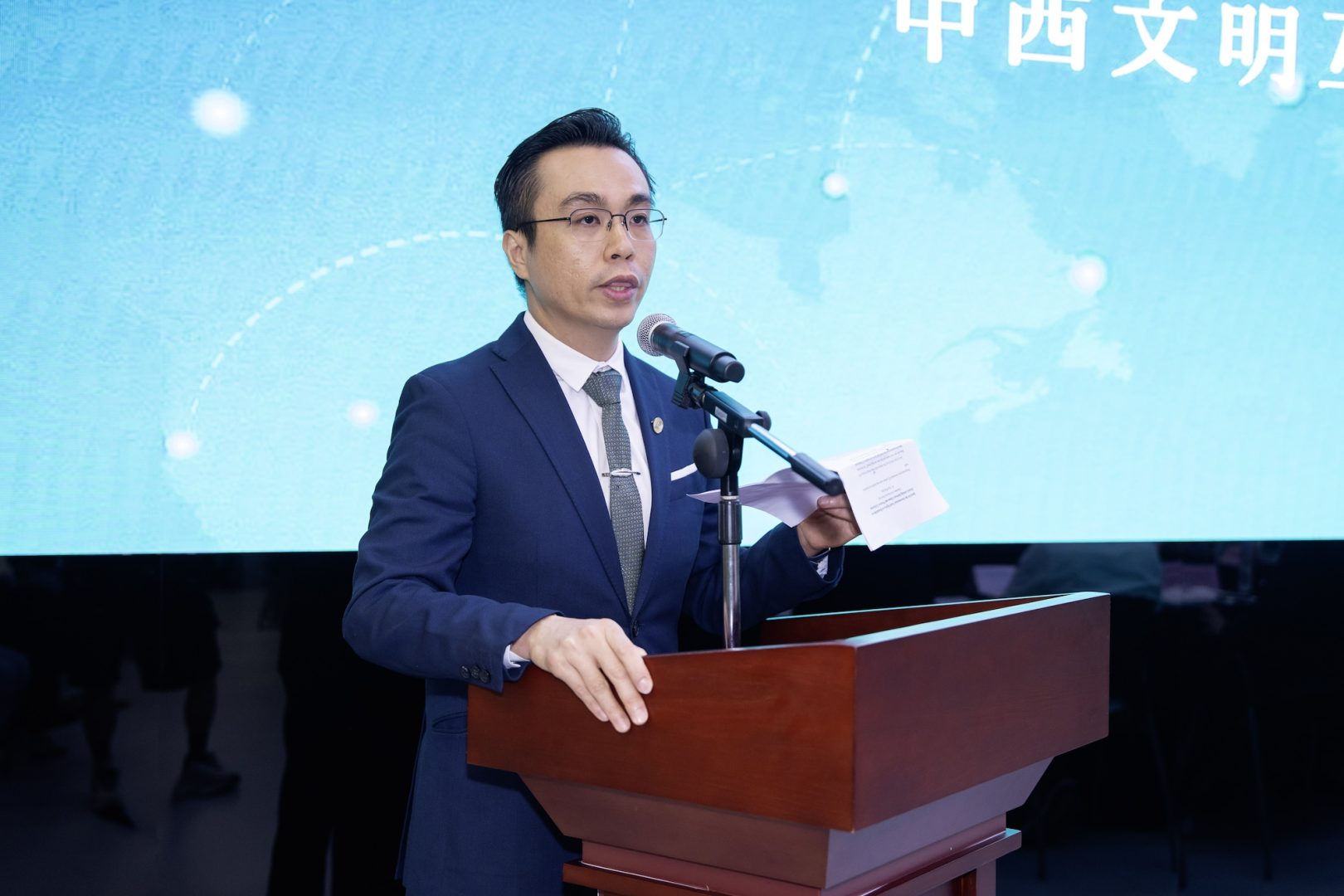
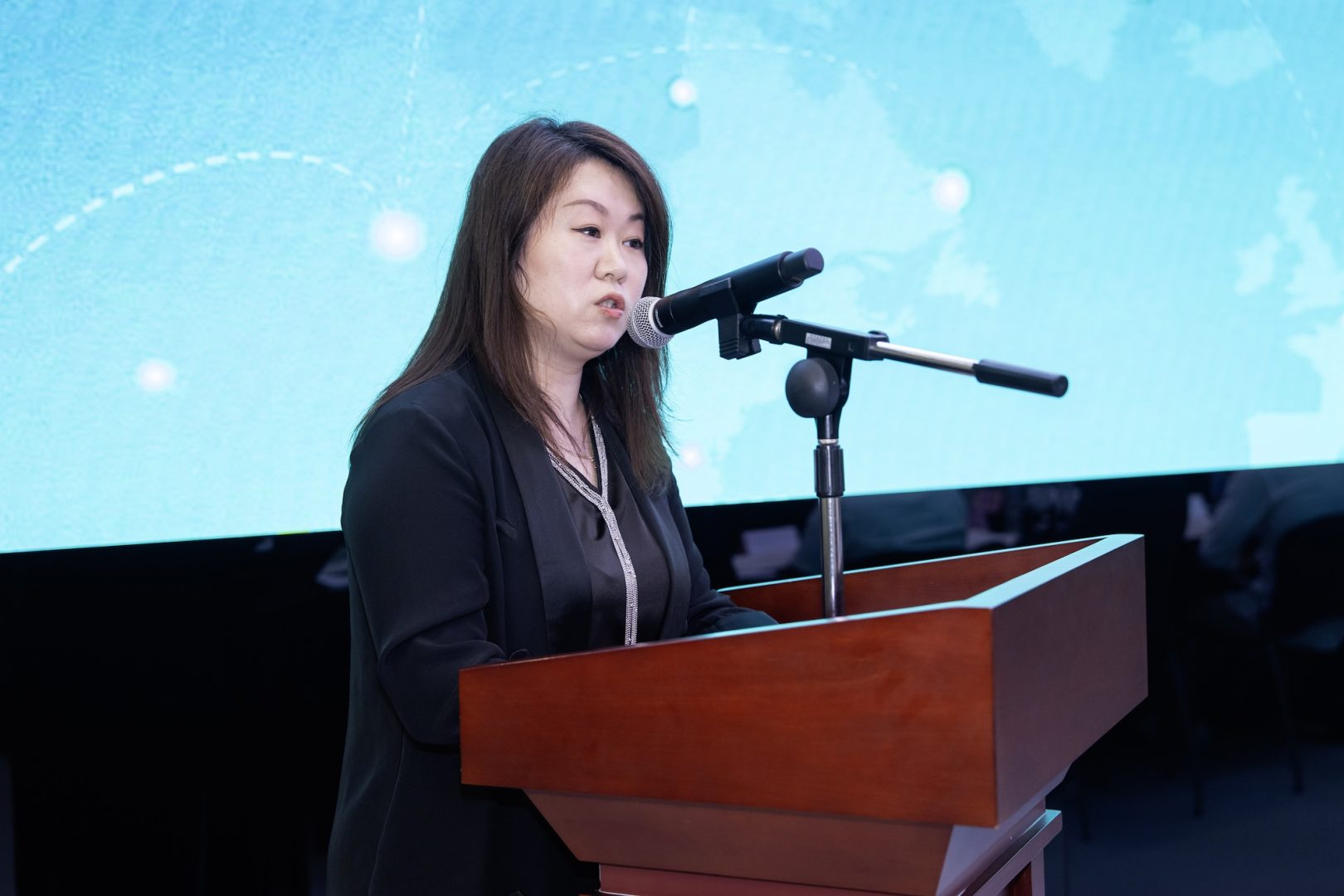
Mr Wong Ka Lon, Chairman of the Macao Patriotic Education Youth Association, Founding President of the Macao Live Streaming Association, Founding President of the Doctoral Think Tank and Member of the Macau Legislative Assembly; Dr Alejandro Salcedo Garcia, Acting Rector of the University of Saint Joseph (USJ) Macao; Dr Tang Wai Keong, Chairman of the Doctoral Think Tank; and Ms Choi Kei Pui, President of the Macau Live Streaming Association, delivered speeches in turn. They emphasised Macao’s unique strengths as a pivotal hub for the exchange of Chinese and Western civilisations, and fully leveraged the strategic advantages of Macao’s positioning as “one centre, one platform, one base, and one high ground”, and, building upon this, to leverage Macao’s vital role as an “international public space for mutual learning between Chinese and Western civilisations”. By using the city as a vehicle to promote dialogue and coexistence between Chinese and Western civilisations, Macao’s contemporary value as a key window for the exchange and mutual learning of Chinese and Western civilisations will be further highlighted.
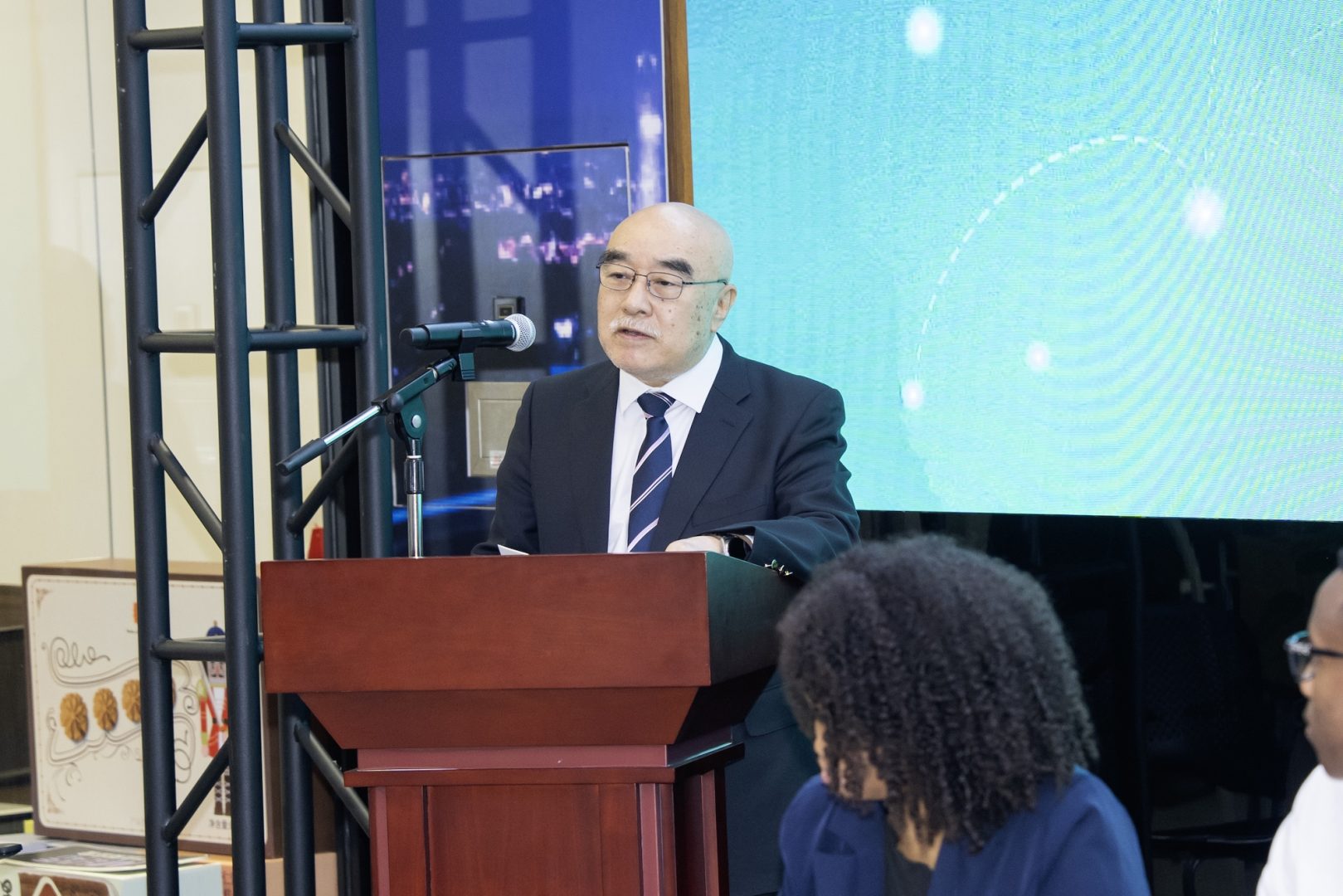
Dr. Li Xiguang, former member of the Advisory Committee on Public Diplomacy at the Ministry of Foreign Affairs and Professor of the School of Journalism and Communication at Tsinghua University, was invited to serve as the keynote speaker. He delivered an in-depth keynote address on the core principles, practical approaches and contemporary significance of mutual learning among civilisations, providing authoritative and forward-looking intellectual guidance for young people worldwide.
A major highlight of the forum was the gathering of youth representatives from more than ten economies, including Indonesia, Bangladesh, Macao, China, the Netherlands, Guinea-Bissau, Angola, São Tomé and Príncipe, Brazil, Cape Verde, Mozambique and Portugal. They enthusiastically shared their respective countries’ and regions’ practical experiences in civilisational development, and jointly explored pathways for the deep integration of China’s development opportunities with mutual learning among civilisations. The on-site exchanges were lively, with participants unanimously agreeing that China’s practice of formulating national-level plans every five years is an experience well worth emulating by all economies. They also noted that Macao can serve as an important window and platform for mutual learning between Chinese and Western civilisations. They highly commended this forum as the first of its kind in the country, fully demonstrating the active role of young people in the inheritance and innovation of civilisation, and holding significant historical significance.
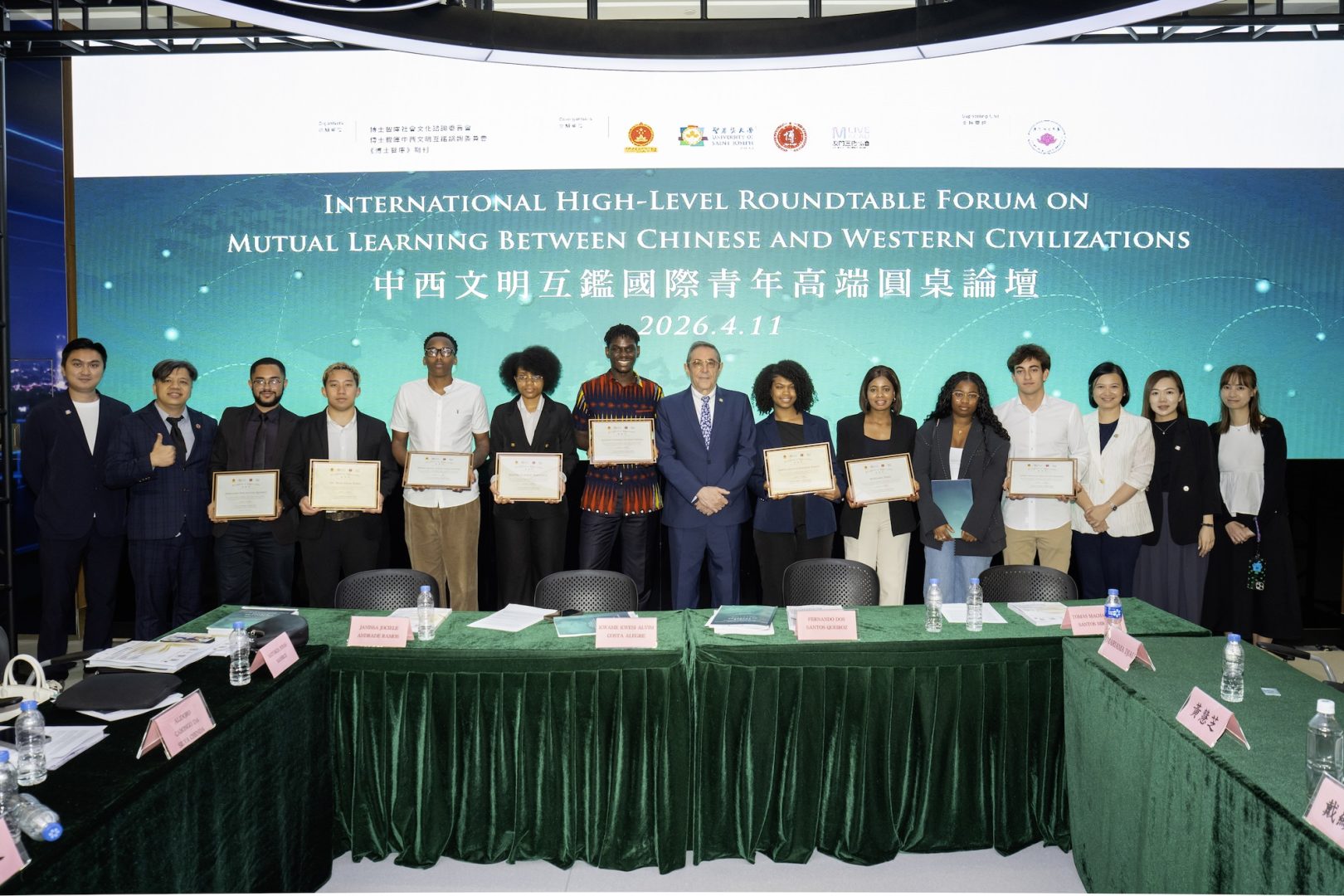
Assistant Professor Jayson Lou, of the Social Work Programme – Faculty of Health Sciences at USJ and Director of the Roundtable Organising Committee, and Executive Director of the Doctoral Think Tank, delivered the closing remarks. He reviewed the outcomes of the forum and presented certificates of appointment to the experts and certificates of appreciation to the guest speakers.
The forum proved highly fruitful, with all participants reaching three key points of consensus:
Firstly, young scholars should become ‘dual translators’ – translating not only language but also cultural logic and expectations. As demonstrated by the young delegates in their presentations on hotel management and business school projects, clarifying the differing concepts of time underlying ‘fast’ and ‘slow’, as well as the dialectical relationship between ‘relationships’ and ‘efficiency’, is a crucial foundation for promoting cross-cultural understanding and cooperation.
Second, we must make good use of Macao’s unique role as a ‘laboratory of civilisations’. For over four hundred years, Chinese and Western laws, customs, architecture and festivals have coexisted in layers here, providing the world with a real-world example that transcends the ‘clash of civilisations’ theory. The participants unanimously agreed that Macao’s historical legacy and contemporary practices amply demonstrate that different civilisations can indeed coexist in mutual respect, harmony and shared development.
Thirdly, we must translate mutual learning among civilisations into concrete cooperation projects. During the forum, youth delegates engaged in in-depth discussions on a range of practical cooperation initiatives, covering areas such as rice processing in Guinea-Bissau, agriculture and renewable energy in Angola, and high-end eco-tourism in São Tomé and Príncipe. Participants emphasised that China’s development experience serves as a valuable reference for all nations, and that through dialogue and adaptation, this framework can be flexibly applied to suit the specific circumstances of each country.
The forum concluded successfully in an efficient, professional and friendly atmosphere. This event successfully built a solid bridge for young people worldwide to exchange ideas, foster emotional connections and achieve win-win cooperation, guiding the youth to use their youthful wisdom and energy to promote mutual appreciation and harmonious coexistence among different civilisations, thereby injecting a continuous flow of youthful dynamism into the progress of human civilisation and the peaceful development of the world.