
USJ Macao Promotes China-Brazil Cultural Exchanges and Fosters Youth Cooperation in Heritage and Sustainable Development in Guangzhou
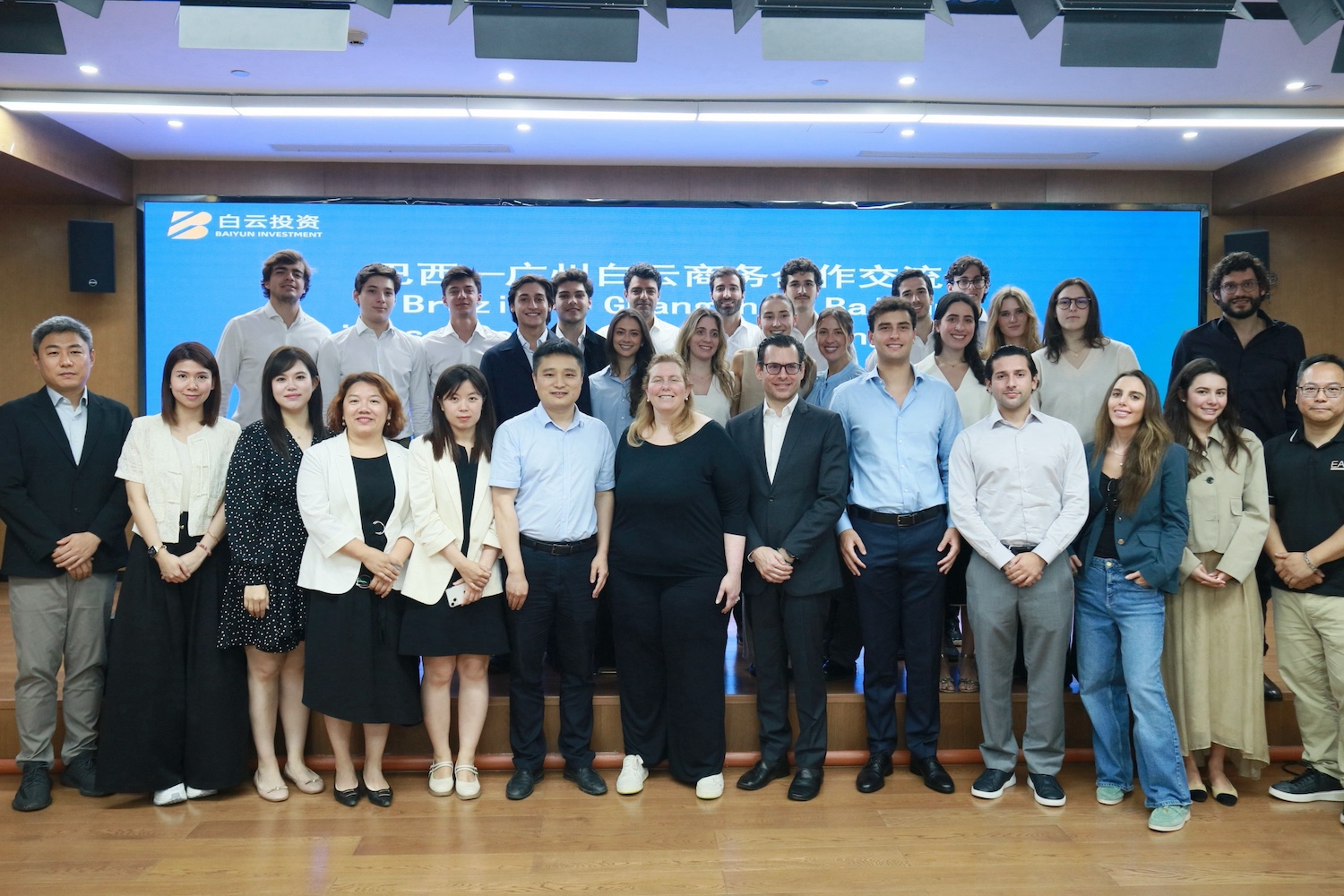
USJ Macao Promotes China-Brazil Cultural Exchanges and Fosters Youth Cooperation in Heritage and Sustainable Development in Guangzhou
13
Apr
13/04/2026
The “Legacy Program Youth Delegation”, jointly organised by Legado and the University of Saint Joseph (USJ) Macao, was officially launched on 7 April 2026.
To implement the “Joint Declaration of the People’s Republic of China and the Federative Republic of Brazil on Building a China-Brazil Community with a Shared Future for a More Just World and a More Sustainable Planet“, and in conjunction with the “Brazil–China Cultural Year 2026” series of events, the “Legacy Program Youth Delegation“, jointly organised by Legado and the University of Saint Joseph (USJ) Macao, was officially launched on 7 April 2026.
Led by Daniela De Rogatis, the delegation comprised over 20 members, representing the next generation of leaders from major family-owned businesses in Brazil, spanning diverse sectors including the electrical industry, real estate, agribusiness, education, biotechnology, chemicals, and asset management. The delegation begins its journey in the Guangdong-Hong Kong-Macau Greater Bay Area, exploring how to address the new challenges of the 21st century by understanding the region’s corporate policies regarding technological innovation and renewable energy development. The program aims to promote understanding of the development directions and national agendas of companies from both countries, empowering them with the necessary knowledge to transform and build a better reality in the 21st century.
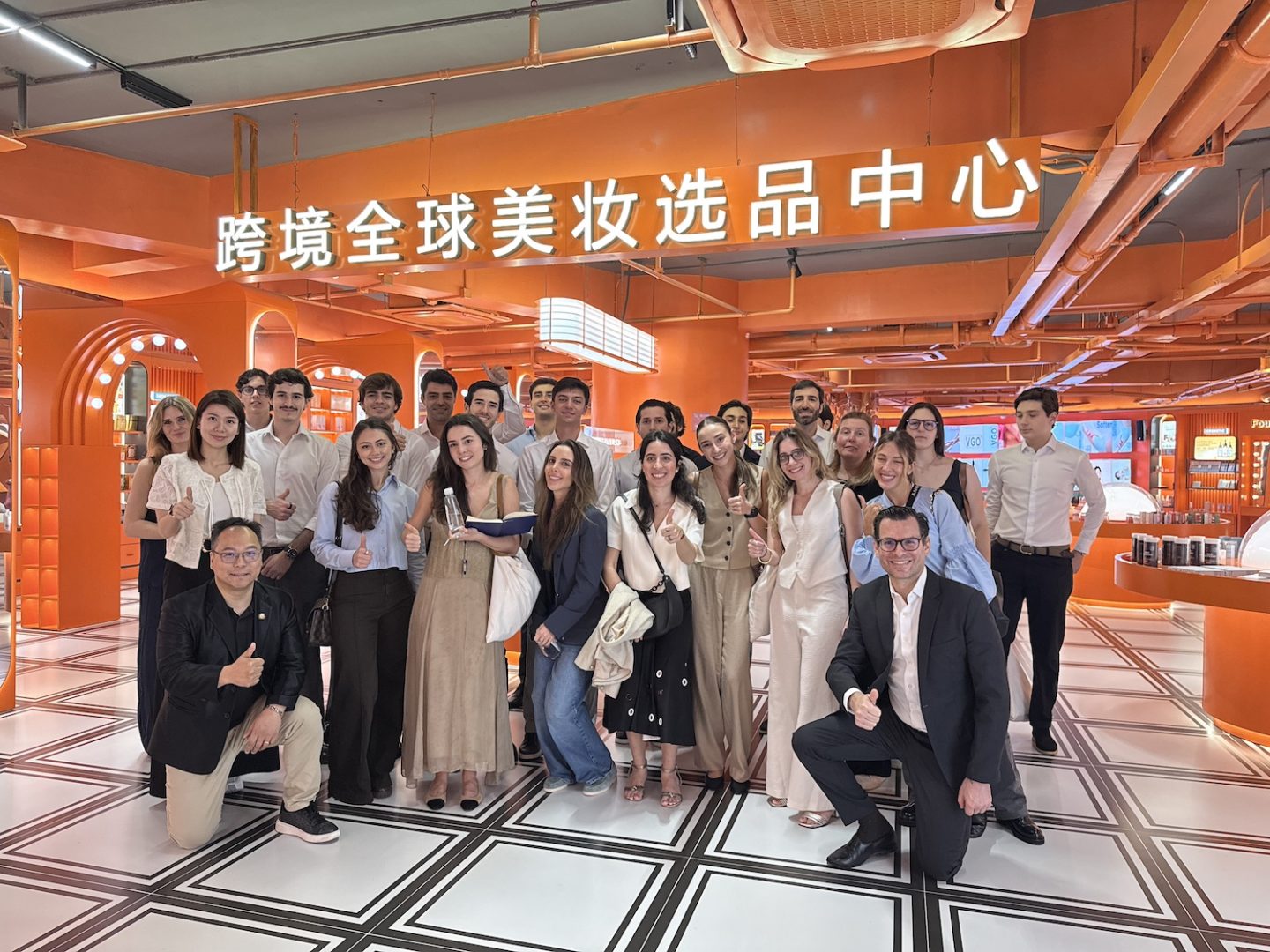
The first stop, led by Ms. Mani Fok, a member of the Chinese People’s Political Consultative Conference (CPPCC) from the Baiyun district in Guangzhou, was a visit to several leading companies in the Baiyun district. Among them were the “Yiyun Global Beauty Product Selection Center,” which utilizes an innovative five-in-one model integrating “global product selection + cross-border ecosystem + live streaming capacity building + industry think tank + industry and education integration,” and the R&D center and factory of “Guangdong Yuntao Hydrogen Energy Technology Co., Ltd.” These visits presented the six main directions of industrial development in Baiyun District. Following this, a visit was made to Guangzhou EHang Intelligent Technology Co., Ltd., in Huangpu District, to learn about the future development of the low-altitude economy. Ms. Mani Fok, a member of the Chinese People’s Political Consultative Conference (CPPCC), stated that Baiyun District, as an important industrial hub in Guangzhou, has significant advantages in new energy, intelligent manufacturing, and the digital economy. He expressed hope that, in the future, Baiyun District will actively promote in-depth exchanges and cooperation between China and Brazil in areas such as youth succession, sustainable development, and family business governance. He added that he will continue to use his role as a bridge and link between CPPCC members to promote more pragmatic cooperation between China and Brazil in areas such as trade, culture, and education, and will continue to serve as a service platform for Macau and Portuguese-speaking countries, contributing to the building of a China-Brazil community with a shared future. This event was supported by the Guangzhou Baiyun Industrial Investment Group Co., Ltd. and the Investment Promotion Secretariat of Baiyun District, Guangzhou. Fu Zhengshan, Party Committee member and Deputy Director-General, participated in the presentation and exchange of information about the sector.
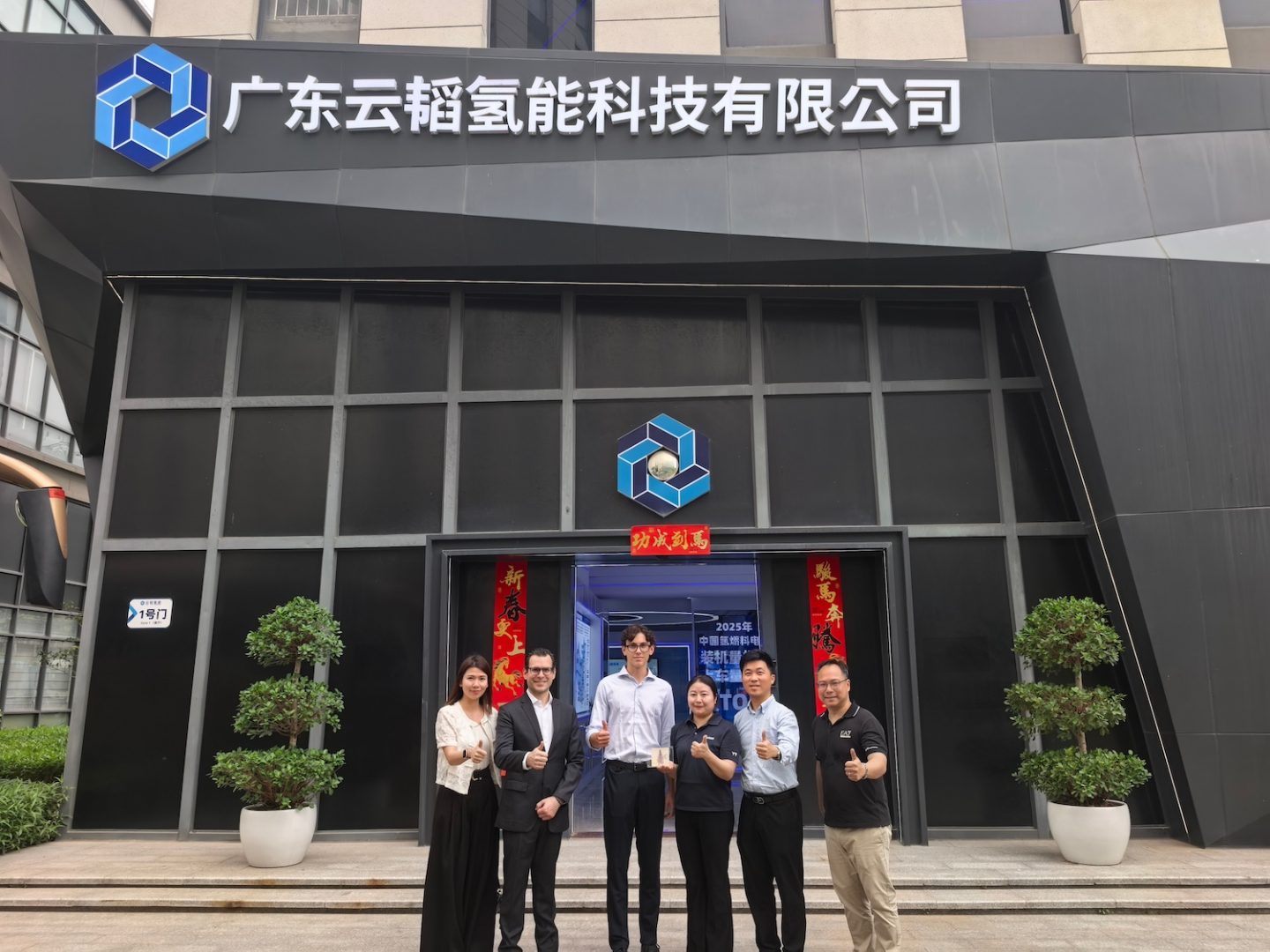
Emil Marques, Director of the Executive Training and Lifelong Learing Office (ETLLO) at USJ, emphasized that the Global Legacy Program is dedicated to training a new generation of family business leaders. Through understanding and exchanging experiences, they will be better prepared to face the challenges of the 21st century. This trip to Guangzhou allowed young Brazilian entrepreneurs to experience firsthand the vitality and innovative spirit of Chinese companies, laying the groundwork for future transnational cooperation. Through this combination of technical visits and classes, they thoroughly analyzed the physical situation of the companies, their business models, and jointly explored development opportunities.
José Mario Antunes, senior researcher at the Brazilian Center for International Relations, states that the Global Legacy Programme was created in Brazil in 2010 founded by Daniela Rogatis and former President Fernando Henrique Cardoso Foundation. Its objective is to provide individuals, families, organizations, and society with knowledge about the dynamics of wealth, to train a new generation of leaders for family businesses, and to promote sustainable succession in family businesses. He hopes that this trip to the Greater Bay Area will allow young Brazilians to better understand the development and opportunities in China.