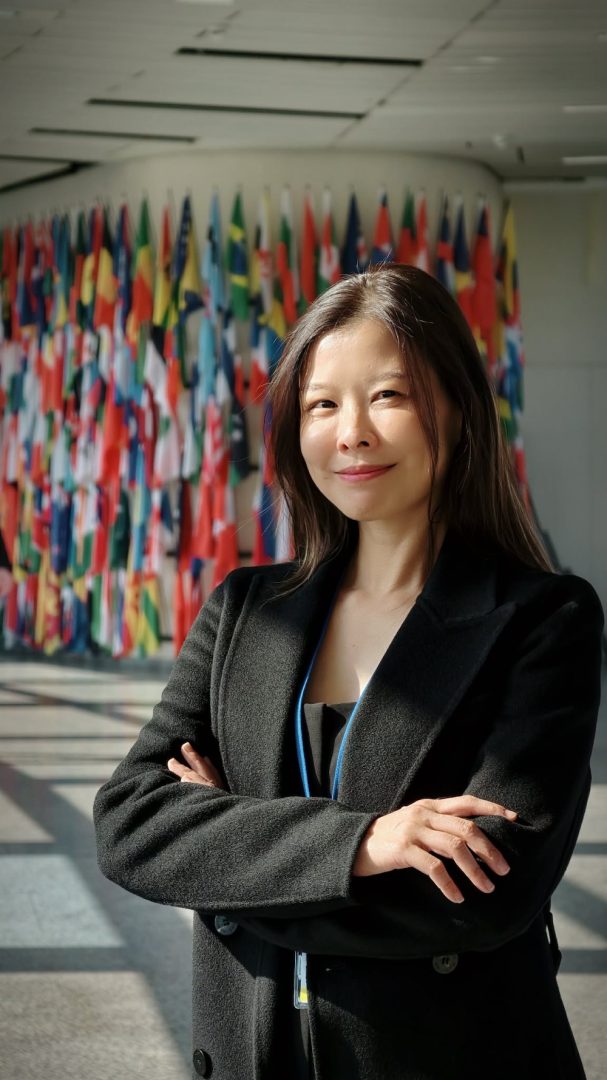
USJ participated in the “69th Session of the United Nations Commission on Narcotic Drugs” in Vienna, Austria
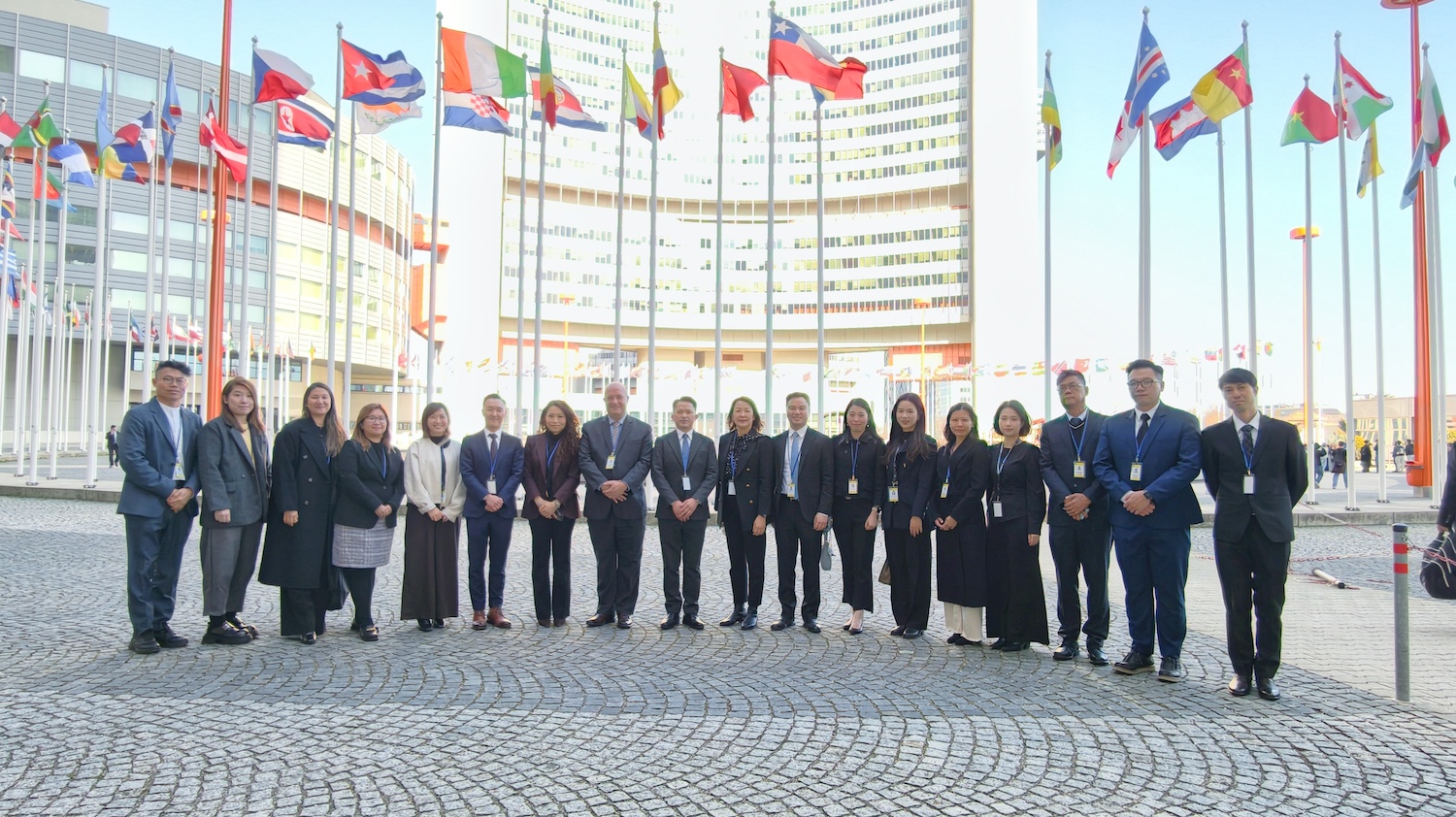
USJ participated in the “69th Session of the United Nations Commission on Narcotic Drugs” in Vienna, Austria
31
Mar
31/03/2026
Prof. Helen Liu, Programme Leader of the USJ Prison Outreach Programme, attended the 69th Session of the United Nations Commission on Narcotic Drugs held at the Vienna International Centre in Vienna, Austria, from 9 to 13 March 2026.
Prof. Helen Liu, Programme Leader of the USJ Prison Outreach Programme, attended the 69th Session of the United Nations Commission on Narcotic Drugs held at the Vienna International Centre in Vienna, Austria, from 9 to 13 March 2026. The event brought together over 2,000 representatives from more than 100 member states, international organisations and non-governmental organisations, who engaged in discussions on the international drug control regime and the implementation of drug-related policies. In-depth exchanges focused on key issues including the regulation of new psychoactive substances and early prevention of youth drug use.
In addition, the Commission hosted more than 160 side events and exhibitions. Prof. Helen Liu from Faculty of Health Sciences participated in a number of side events alongside Macao social service agencies and Macao youth groups. These included a China-side event entitled “Risks and Responses to Adolescents Abuse of Unregulated Addictive Substances and Prescription Drugs”, which promoted cooperation in the field of drug rehabilitation.
Moreover, China, together with Thailand and Cambodia, held a side event titled “ Strengthening Families to Prevent Drug Use Among Children and Adolescents in the Mekong Region: Experiences with the UNODC “Strong Families Initiative”. The session feature in-depth discussion on issues including family and community-based drug prevention education.
Representatives of Macao NGOs delivered the five thematic presentations and exchanged views during these side events. Building on last year’s side event at the 68th CND, USJ collaborated with a local NGO this year to present at a side event under the theme Intersectionality in Action: Strengthening Evidence-Based and Human Rights-Centered Drug Strategies. Prof. Helen was invited to deliver a presentation entitled “From Prison to Community: a Pathway to Social Reintegration through Prison Outreach Programmes”, highlighting initiatives in social reintegration and community rehabilitation.
In her presentation, Professor Helen noted that to enhance the quality of the USJ Prison Outreach Programme, efforts should be made to mobilise community and social support, and provide diversified assistance to incarcerated individuals. This includes offering a variety of academic programmes and scholarships or fellowships to support them in successful completing their studies. Youth representatives from the Noah Youth Development Centre also shared relevant practical experiences, further affirming the value and effectiveness of the social reintegration programme. It is hoped that more individuals will benefit from the programme in the future, discover their own value and strengths through service, and realize the ideal of one life inspiriting another.
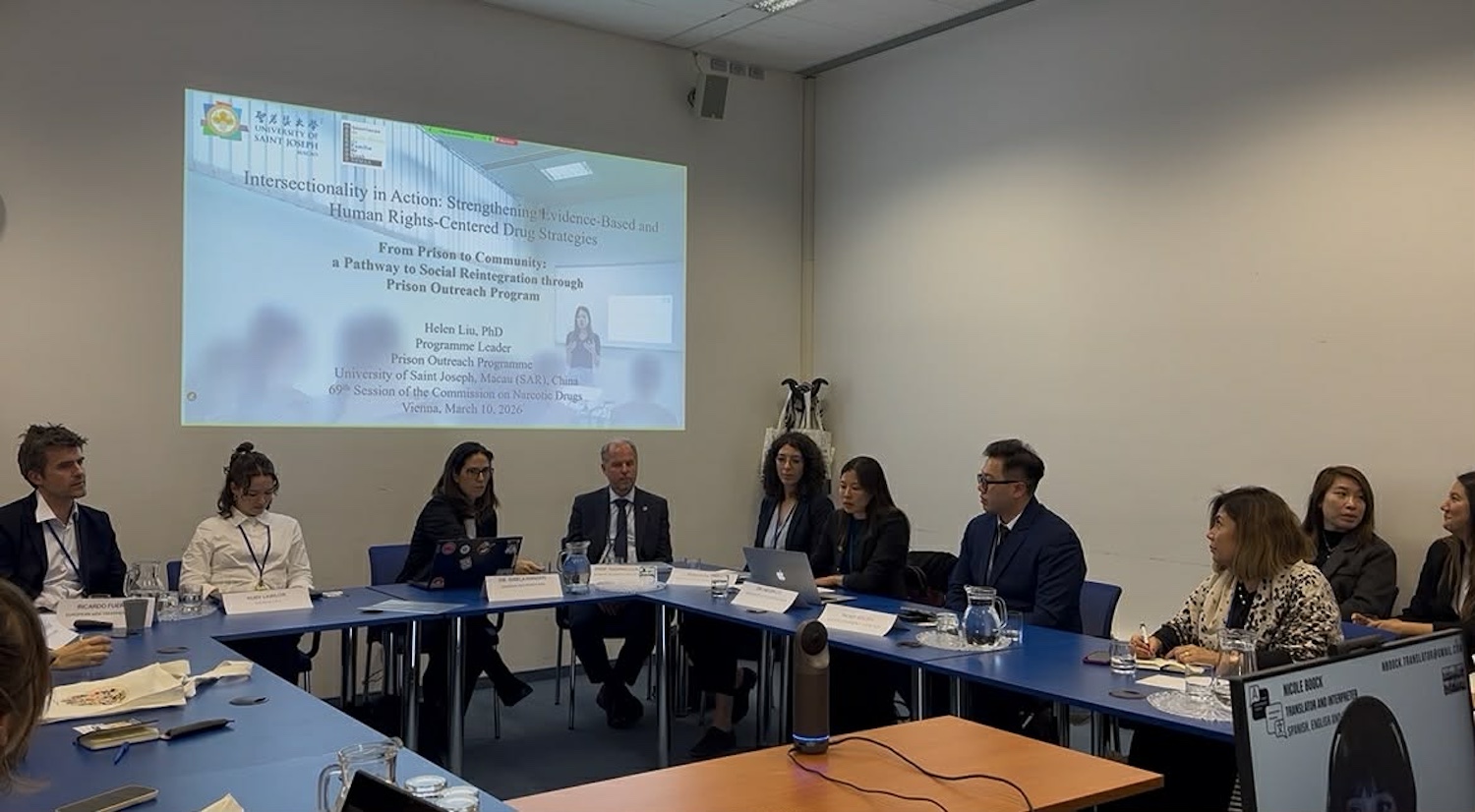
Furthermore, in her address, Professor Helen also pointed that education and vocational training are powerful enablers of social reintegration. She emphasized that cross-sector collaboration among universities, Macao SAR Government, NGOs, and enterprises is essential to achieving sustainable rehabilitation for drug-related offenders.
To deepen cooperation between USJ and various stakeholders, including local NGOs, the University has partnered with the Noah Youth Development Centre on its social reintegration program. This collaboration aims to enhance human capital, build comprehensive support and networking systems for incarcerated individuals and ex-offenders, and facilitate their smooth and sustainable reintegration into society.
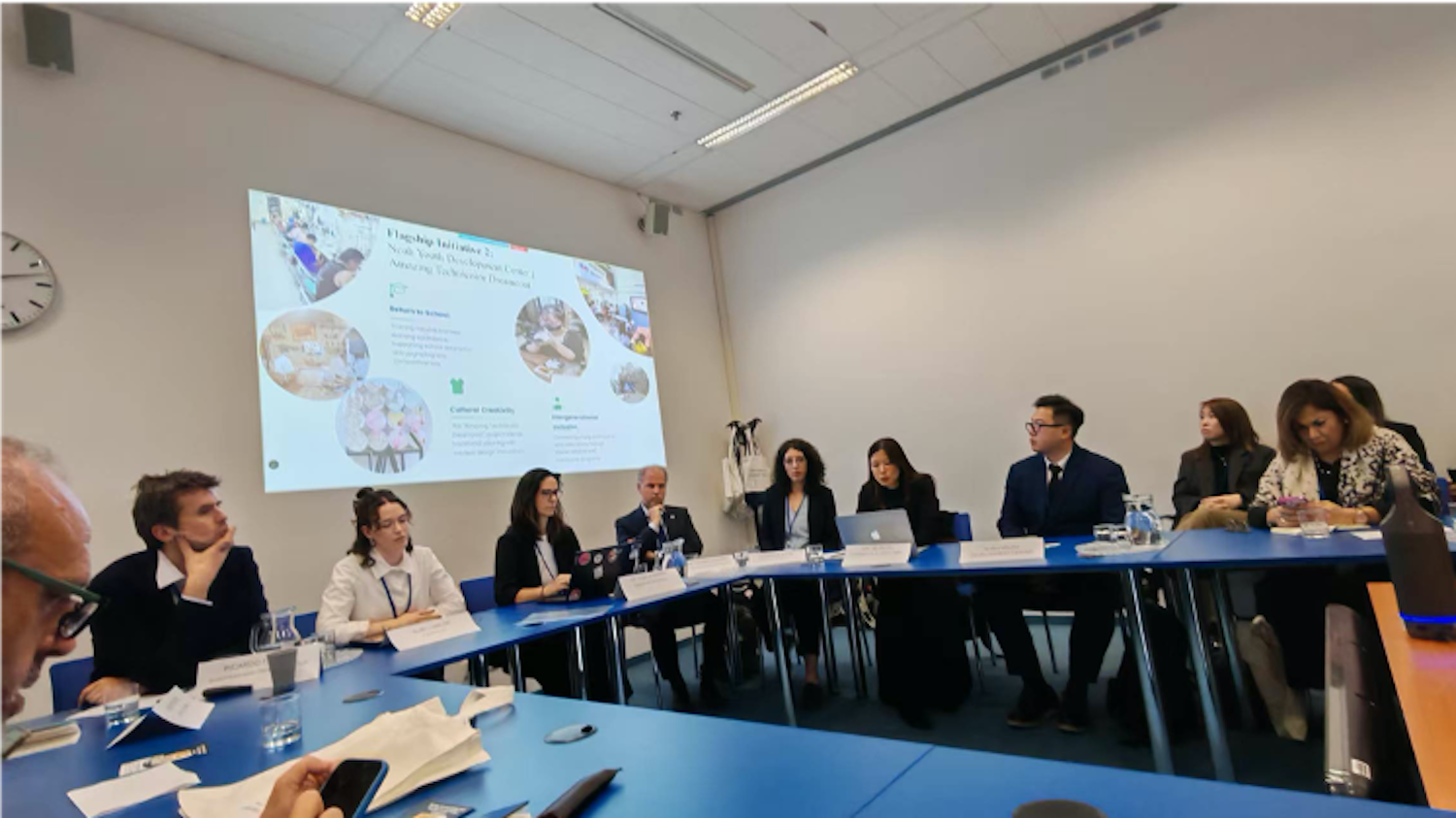
Through education, vocational training, and employment support, the programme helps incarcerated individuals rebuild their life skills, repair family relationships, strengthen family functioning, achieve holistic recovery, supporting them and their families to successfully reintegrate into the community. Last but most importantly, as an institution of higher education, we will strengthen evidence-based research to optimize the USJ prison outreach program, establish long-term follow-up mechanisms, continuously refine diversified intervention strategies for incarcerated individuals and ex-offenders, strengthen family support systems, and effectively improve development outcomes for young people in recovery, their families and communities.