
Research Laboratory for Cultural Sustainability – Researchers
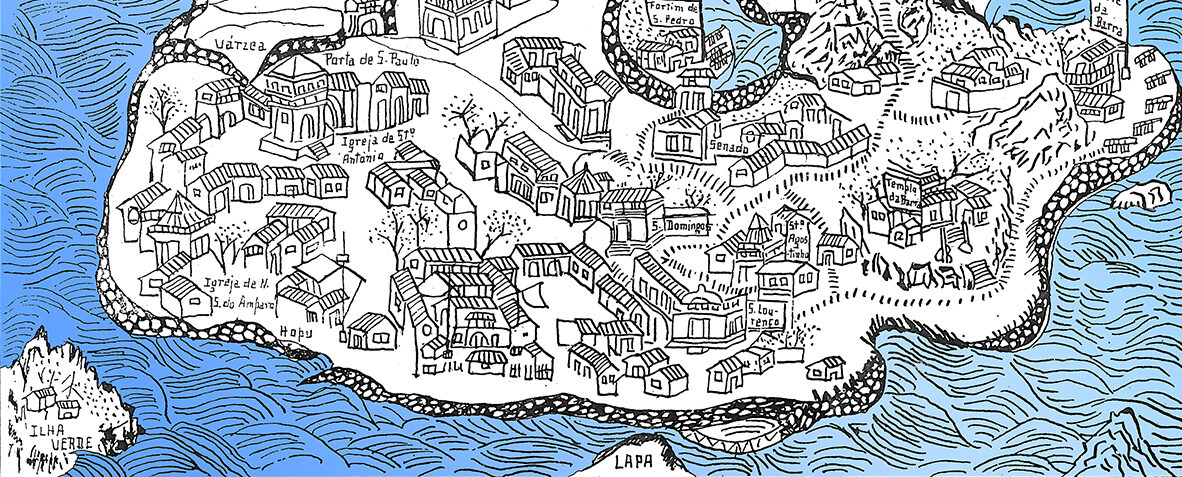
The Research Laboratory for Cultural Sustainability is closely aligned with researchers of the USJ Faculty of Arts and Humanities, in the areas of history, heritage and patrimony, visual media, linguistics, literary and cultural studies as well as with researchers from other Faculties in the USJ.
Our fundamental ethos is to promote collaborative and experimental, encouraging, yet critical culture of working together.
Executive board
Affiliated Researchers
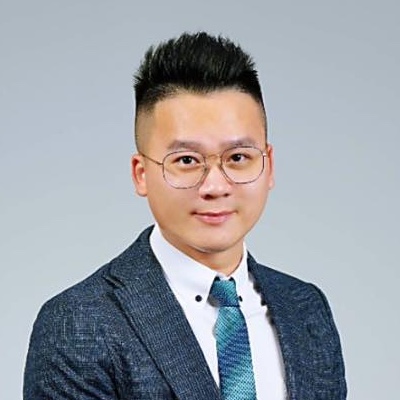
Mr. Kelvin Leong is the Coordinator for Arts and Creative Studies Courses at Macao University of Tourism (UTM). He teaches heritage management and arts management-related courses. He previously worked as a senior research assistant at the Education Policy Research Centre, Hong Kong Policy Research Institute and as a Teaching Assistant in the BA Programme of Cultural Management at the Chinese University of Hong Kong. He have practical training experiences in various organizations including the Macao Heritage Ambassadors Association, Antiquities and Monuments Office, HKSAR Government and The Conservancy Association Centre for Heritage, Hong Kong. His research interests are culture, arts management, heritage revitalization and conservation, cultural and creative industry, and pageant studies.
Completed research project:
Giving a New Life to Industrial Heritage Through Cultural and Creative Industry: the case of Taiwan
Abstract: Industrialization from the 1930s brings a massive twist in both cultural and creative industry (CCI) and heritage management. Vast numbers of factories were built during industrialization. However, many are now vacant because of the closure of industrial facilities in the post-industrialization generation, especially in the late 1990s and 2000s. To utilize the space in the community, many governments use creative approaches such as artistic intervention to revitalize those industrial facilities like factories. Interestingly, CCI and industrial facilities come from the same generation of the 1930s, which created cultural and economic value; now they are combined and play an essential role in heritage revitalization to re-create the same values in the 21st century. In recent years, there has been increased interest in preserving Taiwan’s industrial heritage. Many old industrial sites have been repurposed into cultural and creative parks, where visitors can learn about Taiwan’s industrial past while enjoying cultural activities. This study will narrow the argument to “heritage values change in CCI-led industrial heritage revitalization.” By reviewing the history of CCI and heritage revitalization trends in the 21st century, the study helps to understand the relationship between CCI and heritage revitalization. Cases from Taiwan will also be studied to answer why CCI is integrated into heritage revitalization. Most importantly, a mechanism will be developed for understanding the change in CCI-led heritage revitalization projects. The significance of this thesis is providing the critical success factor for better future CCI-led heritage revitalization development.

Ongoing research project:
Cantonese Opera and Macao Identity: The relationship between intangible cultural heritage and Community 粤劇於澳門身份上的獨特之處
Abstract: Cantonese Opera is generally viewed as a symbol of Cantonese culture which has over two hundred years’ history in Macao. It reached its golden era during the mid-twentieth century when great masters were actively performing in Macao. Despite it facing transmission challenges, there are still numbers of loyal fans and over two hundred performing entities were formed. On the other hand, it was successfully inscribed into the representative list of Intangible Cultural Heritage of Humanity at UNESCO in 2009, great efforts were made to preserve this cultural art. Nevertheless, the uniqueness of Cantonese Opera in constructing the Macao identity probably was overlooked. Its valuable resources such as the historical sites, stories and attributes were underused. My study is aiming at retrieving the history of Cantonese Opera in Macao, finding its difference from the development of other places and what makes it special in Macao. In order to generate ideas to apply how Cantonese Opera’s history can be redefined in Macao’s contemporary image to the globe as a city contains Chinese and Portuguese heritages. Creating sustainability ideas for developing this cultural art with modern and innovative forms.
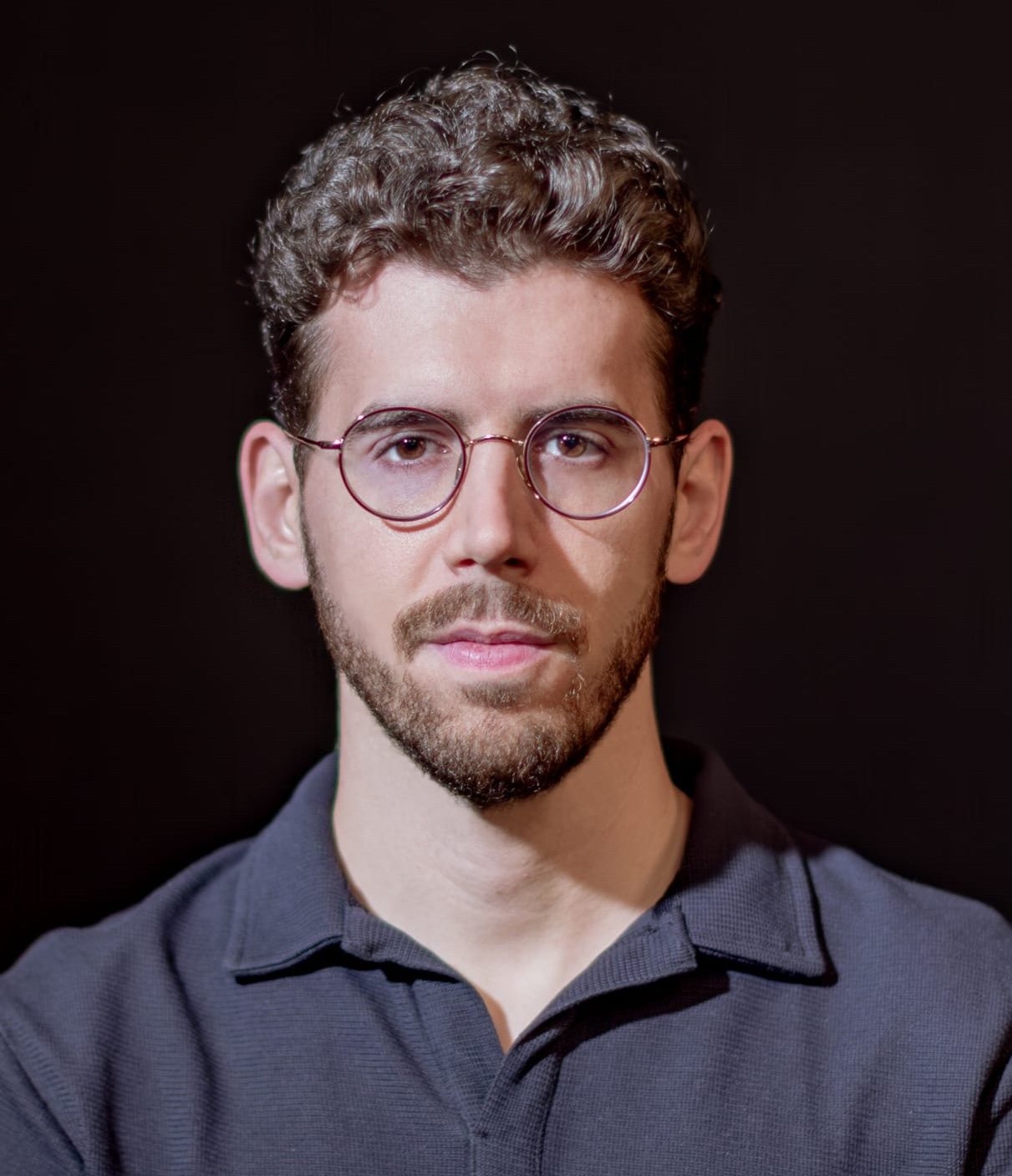
David is a Digital Artist from Spain with a rich background in classical drawing and painting. Using 3D and 2D digital mixed media for his artworks, he finds inspiration in Nature, Architecture, History, and Anthropology for virtual spaces development. His artwork can be seen here.
Ongoing research project:
Digital Sanmalu
Abstract: Currently developing a digital immersive recreation of Sanmalu that will take the spectator through different spaces and periods of time while keeping the focus in the old Qilou arcade buildings, typical architecture from south east Asia that shows a blend of Chinese and Western architectural styles.
Co-founder of Sustaincia.org, a non-profit organization encouraging sustainability using technology and social efforts. As a lead of Sustaincia he promotes synergy between professionals from all industries with diverse project such as smart cities, digital communities, urban art, cultural sustainability. Sustaincia as an organization rooted in Macau organizes events on green mobility and energy transitions, biotechnology exchange, global trends in technology, and future career paths for young people.
Ongoing research project:
Comparative Studies of Urban Economy Diversification
Abstract: In comparative studies of urban economy diversification we explore concepts such as passion, (un)sustainability, competence/knowledge, capabilities, and randomness. Research directions include studying how cities in Asia (in the Far East specifically) and globally have identified and nurtured local passions to drive economic growth and innovation, examining the impact of past economic developments on current economic structure and identity. In addition to that investigating local sustainable urban development policies and initiatives, understanding the interplay between competences, capabilities, and opportunities, and comparing urban economy diversification strategies across different sociocultural and political contexts.
The research could focus on the dynamics of partnership and collaboration between government, businesses, and civil society organizations as catalysts for economic growth and innovation in urban areas. By taking a comparative and holistic approach to understanding urban economy diversification, researchers can provide valuable insights and suggest best practices for promoting sustainable and inclusive economic growth in cities around the world.
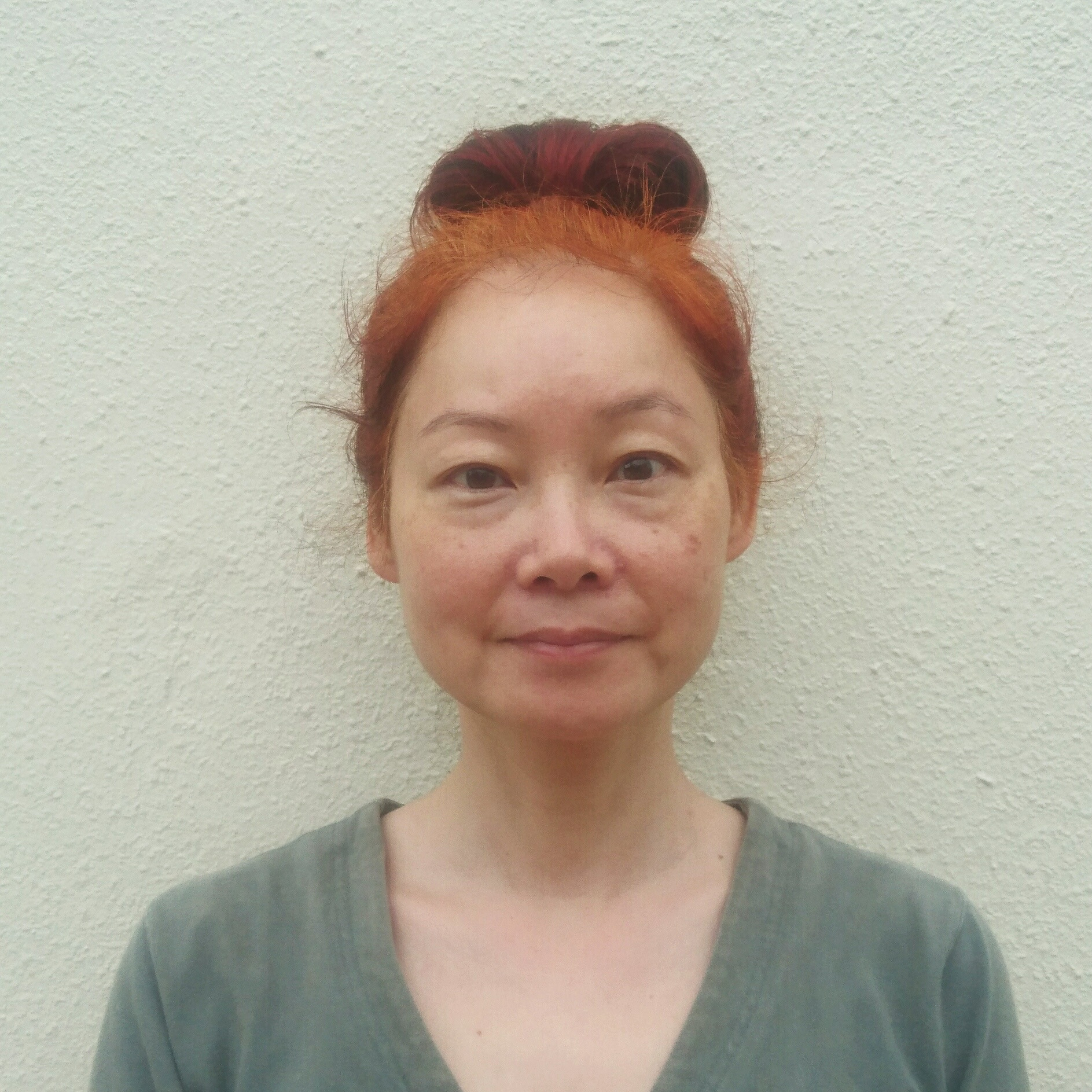
Loretta grew up in Macau, a once sleepy little town in the Far East which woke up one day to find itself transformed into a mega destination for tourism and gambling. She went to film school in Hong Kong, and worked not with the camera lens but with the good old-fashioned pen. In a parallel universe, she became a successful publicist specialising in the cultural industries. She now walks the globe to bring about emergent movement and research related to children. She is at home in Macau, Hong Kong, India and Portugal, but spends her time mostly on Pico island of the Açores in the mid-Atlantics, where she draws inspiration from the vast ocean and volcanic landscape for her fluid inquiry into the unknown. Loretta is the founder of the Society for Creative Education based in Macau, which has been pioneering deep creativity in the young since 2017.
Ongoing research project:
Mythologies from the Future – Our Next Generation Re-Authoring Histories
Abstract: A cross-cultural and transdisciplinary study on how the younger generation in Macau and Portugal (specifically the Açores) may re-imagine the given narratives of their hometown and reinvent their identities, in the process making new myths for these communities of diaspora to re-author their existing future. Through participatory action research conducted on the younger generation creating hyper-local stories and games which transcend generations and cultural bearings, research paradigms in identities/narratives may be augmented with non-linear temporal and aperspectival inputs.
The research begins with a hyperlocal visual mapping of ambiences and materialities to invite playful reinvention of Macau identities and cultural constructs through fieldwork conducted at Mercado da Horta da Mitra, Macau – where small businesses of old and new sit next to each other while artisans and designers cross paths; and where traditions are practiced daily while urban renewal powders up traces of local lives. At the “Fifth International Workshop on Visual Research for PhD Students and Young Researchers 2025” Loretta will be presenting a proposition on “How to create a set of Macau-suited playing cards or a Macau-themed Trading Card Game (TCG) using a hybrid of digital and analogue visual formats while experimenting with tactile rendering tools”.


.jpg&q=100&w=60&h=50)