Institute of Science and Environment

Dean’s Message
Life Sciences are increasingly emerging as one of the most important fields of knowledge of the 21st century. Developments in the fields of Genetics and Molecular Biology have significantly expanded our knowledge of all living systems, their diversity, functioning, and potential applications. One interesting trend is the growing cross-disciplinary nature of Life Sciences, particularly evident in the rise of dynamic fields such as Biotechnology and Bioinformatics. Life Sciences are also crucial for understanding and addressing the enormous challenges that our societies currently face regarding climate change and biodiversity loss due to human activities. These challenges have far-ranged impacts across environmental, social, economic, and health domains and require coordinated efforts from all of us.
Within this backdrop, Macao is a very special place. One can think of it as a unique microcosm, blending highly urbanized areas with coastal areas with surprisingly rich biodiversity. This makes it an ideal location for assessing problems raised by human activity and for finding and testing potential mitigation strategies. The issues that Macao faces at the local scale, as well as the ideas and solutions that emerge here, are directly relevant and easily applicable on both regional and global scales. Furthermore, Macao’s rich history of cross-cultural exchanges and exposure to mixed influences, particularly reflected at the Institute of Science and Environment (ISE) and at the University of Saint Joseph (USJ), fosters a privileged environment for knowledge exchange and learning.
The mission of ISE is to develop research and teaching of the highest standards in different domains of science, namely in Environmental Sciences, Biology and Biotechnology, Marine Sciences, and Neurosciences and Behaviour. We aim to contribute towards a deeper understanding of the natural world using sound scientific approaches and to prepare well-qualified professionals who can respond to today’s and tomorrow’s global challenges, leading the way towards the sustainable development of Macao, the Region, and the World.
ISE has a strong focus on hands-on learning, anchored on extensive lab-based activities, field trips, and extensive links with on-going research projects. Furthermore, our students have the opportunity to develop their skills in an international and cross-disciplinary environment where critical and creative thinking is fostered. This provides a dynamic and engaging learning environment where students can develop as skilled professionals and responsible citizens.
The Institute is also focused on science dissemination and education, under the belief that proper education in science and technology is fundamental for responsible decision-making by citizens and, ultimately for social progress. The institute is strongly linked with the local communities, regularly organizing science and environmental events, as well as educational activities directed to the general public and students from all levels of education.
Recent Publications by the Institute of Science and Environment
- Duan, S., Vasconcelos, R. O., Wu, L., Li, X., Sun, W., Li, X. (2025) Managing Aquaculture Noise: Impacts on Fish Hearing, Welfare, and Mitigation Strategies. Reviews in Aquaculture 17, e70013. https://doi.org/10.1111/raq.70013
- Zucconi, L., Fierro-Vásquez, N., Antunes, A., Bendia, A. G., Lavin, P., González-Aravena, M., … & Banerjee, A. (2025). Advocating microbial diversity conservation in Antarctica. npj Biodiversity, 4(1), 5. https://doi.org/10.1038/s44185-025-00076-8
- Cardoso, S. D., Jiang, C., Sun, L., Zhang, L., & Gonçalves, D. (2024). Chromosome-level genome assembly of the highly-polymorphic peacock blenny (Salaria pavo). Scientific Data, 11(1), 1424. https://doi.org/10.1038/s41597-024-04242-8
- Liao, S., Tao, C., Dias, Á. A., Liu, J., Su, X., Lv, S., Jamieson, J. W., Zhou, J., Deng, X., Liang, J., Yang, W., Li, W., & Yang, X. (2024). Sediment geochemistry reveals abundant off-axis hydrothermal fields on the ultraslow-spreading Southwest Indian Ridge. Earth and Planetary Science Letters, 643, 118916. https://doi.org/10.1016/j.epsl.2024.118916
- Cai, J., Yan, J., Un, C., Wang, Y., Campbell-Valois, F.-X., & Siu, S. W. I. (2025). BERT-AmPEP60: A BERT-Based Transfer Learning Approach to Predict the Minimum Inhibitory Concentrations of Antimicrobial Peptides for Escherichia coli and Staphylococcus aureus. Journal of Chemical Information and Modeling, 65(7), 3186–3202. https://doi.org/10.1021/acs.jcim.4c01749
- Fernandez Cunha M, Coscueta ER, Brassesco ME, Almada F, Gonçalves D, Pintado MM. (2025). Bioprospecting Bioactive Peptides in Halobatrachus didactylus Body Mucus: From In Silico Insights to Essential In Vitro Validation. Marine Drugs. https://doi.org/10.3390/md23020082
- Zhang, J., Deng, J., Shen, H., Zhang, D., Simões, M. F., Antunes, A., Liu, Bo (2025). Transforming MSWI fly ash and waste glass into hierarchical pores of foam glass- ceramics for effective adsorption. Construction and Building Materials https://doi.org/10.1016/j.conbuildmat.2025.143510
- Vasconcelos, R. O., Alves, D., Amorim, M. C. P., Fonseca, P. J. (2025) Auditory representation of conspecific calls improves throughout ontogeny in a singing fish. Biology Letters, 494: 143510. https://doi.org/10.1098/rsbl.2025.0289
- Biswas, P., Rashid, A., Habib, A. K. M. A., Mahmud, M., Motakabber, S. M. A., Hossain, S., Rokonuzzaman, M., Molla, A. H., Harun, Z., Khan, M. M. H., Cheng, W.-H., & Lei, T. M. T. (2025). Vehicle to Grid: Technology, Charging Station, Power Transmission, Communication Standards, Techno-Economic Analysis, Challenges, and Recommendations. World Electric Vehicle Journal, 16(3), 142. https://doi.org/10.3390/wevj16030142
- Penim, J., Beauchaud, M., Millot, M., Faria, A. M., Vieira, M., Fonseca, P. J., Vasconcelos, R. O., & Amorim, M. C. P. (2024). Turning up the heat: Effects of temperature on agonistic acoustic communication in the two-spotted goby (Pomatoschistus flavescens). Marine Environmental Research, 202, 106714. https://doi.org/10.1016/j.marenvres.2024.106714
ISE (NAPE Campus) Facilities
List of Programmes
Bachelor Programme
Master Programme
Doctoral Programme
Faculty Members
Faculty Members
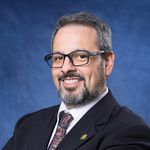
André Antunes
Dean of the Institute of Science and Environment | Associate Research Professor | Research Coordinator for the Institute of Science and Environment
I am the Dean of the Institute of Science and Environment- University of Saint Joseph. I am an expert in microbiology of marine and extreme environments, having specialized in deep-sea and high salinity locations.I did my undergraduate studies in Biology at the University of Coimbra (Portugal), and PhD in Biochemistry (Microbiology) at the same institution. My PhD research work was conducted at one of the most prestigious centers in the field of Microbiology- the Lehrstuhl für Mikrobiologie und Archaeenzentrum of the University of Regensburg (Germany). My career includes periods of work in several countries in Europe, Africa, and Middle East. Before my current appointment I had previous faculty positions in Cabo Verde, the UK, and at the State Key Laboratory of Lunar and Planetary Sciences at MUST (Macau), where I was the leader of the Astrobiology Research Group and coordinator of the Astrobiology and Cosmochemistry Experimental Platforms.I have extensive experience with international collaborations, having participated as PI and team member of several projects and having joined and lead several research expeditions and cruises. As part of these, I have previously worked as project manager, being involved in the national and European coordination of the ESFRI EU-funded project MIRRI (Microbial Resource Research Infrastructure), as well as being involved with the ESFRI EU-funded project RItrain (Reseach Infrastructures Training Programme).I've been a consultant and invited committee member for NASA, ESA, and the ESF. I am a former elected member of the Communications Committee of the Microbiology Society, Chair of the Ocean Sustainability Advisory Group and Global Ambassador for Applied Microbiology International, and editorial member for a variety of leading journals.GoogleScholar: https://scholar.google.com/citations?user=blJPHy4AAAAJ&hl=enResearchGate: https://www.researchgate.net/profile/Andre-Antunes-3OrcID: https://orcid.org/my-orcid?orcid=0000-0001-7668-9842Selected research highlights:i) New species and higher-ranked taxa: two new orders, one possible new phylum;ii) Novel characteristics relevant for biotechnology and cellular physiology: New cellular contractility cycle; first Halobacteria preferring anaerobiosis; first prokaryotes accumulating glycerol;iii) -Omics based analysis: first genomics and proteomics studies in deep-sea brines;iv) Microbial and viral communities surveys: first report of virology of deep-sea brines; unique insights into Thaumarchaea;v) Astrobiology: Proposal of new icy moons terrestrial analogue; definition of new model organism; new habitability models for astrobiology; experimental and simulation efforts of exooceans (a Nature 2020 research highlight).vi) Bioprospection: New strains with cytotoxic and apoptotic activity; in silico-based exploration for biosynthetic genes.vii) Contributions to Policy: EU-funded PPOSS project and white book on planetary protection for icy moons; Report of the Committee on Planetary Protection Requirements for Sample-Return Missions from Martian Moons (National Academies and ESF); policy briefing on Marine Microbiomes; policy brief on “Climate Change and Microbiology”.viii) New computer-based and experimental tools: Portal for microbial knowledge exploration; data analysis tool for microbial genomes; database on halophilic archaea, as well as an innovative microbial isolation technique).

Karen Tagulao
Assistant Professor | Programme Coordinator for the Institute of Science and Environment | Chair of USJ Green Committee
Karen Araño Tagulao is an Assistant Professor and the Programme Coordinator of the Master of Environment Science and Management at the Institute of Science and Environment. She also serves as the Chair of the USJ Green Committee. Holding a Bachelor's degree in Biology, a Master's degree in Marine Science (Biology), and a PhD in Science (with a dissertation on seagrass ecology), she currently teaches Science and Environmental Science-related modules and supervises students at the Bachelor, Master, and PhD levels.Actively involved in research, Karen has been a Principal Investigator (PI), Co-PI, and team member in several FDCT projects from 2010 to the present. Her research focuses on the ecology and environmental science fields, with a particular emphasis on marine plants such as algae and mangroves. She leads scientific research projects, conducts science promotion and communication activities with local schools on mangrove ecology and DNA technology, and regularly delivers science and environment-related courses to the community.Her primary research interests includes marine ecology, ecophysiology, population genetics of seaweeds and seagrasses, marine natural products biochemistry, ecology of mangroves, marine pollution, ecotoxicology, and science education. Her current research is concentrated on the role of mangroves as a nature-based solution in climate change mitigation and adaptation, as well as plastic pollution entrapment in Macao. She aims to further develop her research line in the area of environmental and marine ecological monitoring in Macao.Key projectsSponge City Macao: Harnessing Nature for Urban Water Solutions. WASH Foundation. (2026 to present) As PI.Green Shields: Mangroves as a Nature Based Solution for a Resilient Macao. WASH Foundation. (2025-2026) As PI.One Drop at a Time: Exploring Biodiversity in Macao's Urban Wetland Ecosystems and the Role of Water Stewardship. WASH Foundation. (2023-2025) As PI.Wetland ecosystems: a nature-based solution for coastal protection and plastic pollution entrapment in Macao. Clean the World Foundation (2022-2023). As PI.SeaMin – In-situ trace elemental and isotopic constraints on modern seafloor massive sulfide mineralization /.FDCT 0041/2021/A1 (2021-2024), As PI (from September 2024). Wetland ecosystems as a nature-based solution for climate change adaptation and mitigation in Macao. Clean the World Foundation (2021-2022). As PI. PlastiFish: Methods, effects and risk analysis of microplastics in fish production/ 漁類生產中的微塑料檢測方法,影響及風險分析, FDCT-FCT 0004/2019/APJ (2020-2024). As a Member. Macao coastal zone change and key technologies of space utilization based on land and sea . FDCT- 0011/2021/AFJ (2021-2024). As a Member (with MUST).Nature-based solutions for a cleaner and safer Macao (2020-2021). As PI. The Role of Mangroves on the Bioaccumulation and Citogenotoxic Effects of Heavy Metals and Pesticides on the Food Web of a Tropical Coastal System . FDCT 117/2014/A3 (2015-2018). As Co-PI. Inventory and assessment of the marine flora of Macau. FDCT 028/2010/A (2010-2012). As PI.
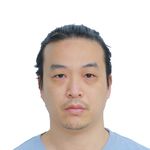
Alexandre Lebel
Assistant Research Professor
Alexandre Lebel holds a bachelor's degree in anthropology (Université de Montréal, Canada), a master's degree in environmental sciences and management (University of Saint Joseph, Macao SAR), and a doctorate in education (University of Saint Joseph, Macao SAR). Alexandre Lebel is interested in ethnolinguistics, semiotics, and cultural preservation. He wrote his doctoral dissertation on the grammar of Macao Creole Portuguese. He is also a professionally qualified technician (CEGEP Saint-Laurent, Canada) in water treatment technologies, with experience in the public and private sectors. In Macao, Alexandre Lebel participated in several environmental science and education projects concerning aquatic pollution and bioremediation strategies. He is currently studying the impact of ocean acidification on fish communication and behavior.ORCID ID: https://orcid.org/0009-0001-6721-7381Scopus ID: https://www.scopus.com/authid/detail.uri?authorId=57223930927

David Gonçalves
Associate Research Professor
I am a Biologist with interests in Animal Behavior and Environmental Sciences. My work has been focused on the mechanisms that allow for animals to adjust their behavior to changing conditions of the social environment ('behavioral plasticity'). In particular, I have been interested on the physiological, genomic and neuronal processes associated with behavioral change. More recently, I have been interested in understanding how pollutants may interfere with endocrine and neuronal systems to disrupt natural behaviours, using fish as study models. I concluded my PhD in 2002 in the University of Lisbon and afterwards received Post-Doctoral training at the Eco-Ethology Research Unit of ISPA-IU, also in Lisbon. I was Professor Auxiliar at ISPA-IU from 2003 until 2011, when I joined USJ. I am currently Associate Professor and Dean of the Institute of Science and Environment at USJ. :: SELECTED RESEARCH PROJECTS 2017:2020 – FIGHT – Hormonal, pheromonal and genomic regulation of aggression in a fish model. FDCT 093/2017/A2. Coordinator. 2014:2017 - DISRUPT-Environmental Endocrine Disruptors: Current Situation in Macao, Neurobehavioral Effects and Bioremediation Strategies. FDCT 011/2014/A1. Coordinator. 2012:2015 - Behavioral plasticity meets neuroplasticity: brain neurogenesis in the polymorphic fish Salaria pavo, FDCT 012/2012/A1. Coordinator. 2008:2012 - Neuroendocrine mechanisms of reproductive polyphenisms in the blenny Salaria pavo, FCT - PTDC/MAR/71351/2006. Coordinator. 2008:2011 - Alternative reproductive tactics in teleost fish: the peacock blenny (Salaria pavo) as a study model, FCT - PTDC/MAR/69749/2006, coordinator: Rui Oliveira, ISPA. Team member. 2008:2011 - Neuroendocrine control of reproductive behavior in the Mozambique tilapia: mechanisms and effects of the social environment, FCT - PTDC/MAR/72117/2006, coordinator: Rui Oliveira, ISPA. Team member. 2007:2010 - Winners and losers: social modulation of hormones, brain and behaviour, FCT - PTDC/PSI/71811/2006, coordinator: Rui Oliveira, ISPA. Team member. :: SELECTED PUBLICATIONS Gonçalves D, Félix AS and Oliveira RF. 2017. Neuroendocrinology of social behavior in teleost fish. In: Hormones Brain and Behavior, 3rd edition (Pfaff D, Joëls M, eds). Elsevier. Vol. 2, pp. 3-18 Cardoso SD, Gonçalves D, Goesmann A, Canário AVM and Oliveira RF. 2017. Temporal variation in brain transcriptome is associated with the expression of female mimicry as a sequential male alternative reproductive tactic in fish. Molecular Ecology. DOI: 10.1111/mec.14408 Cardoso S, Faustino A, Costa SS, Valério F, Gonçalves D and Oliveira RF. 2016. Social network predicts loss of fertilizations in nesting males of a fish with alternative reproductive tactics. Acta Ethologica. DOI 10.1007/s10211-016-0249-9 Gonçalves D, Costa SS, Magda T, Silva H, Inglês M and Oliveira RF. 2014. Oestradiol and prostaglandin F2alpha regulate sexual displays in females of a sex-role reversed fish. Proceedings of the Royal Society of London B 281: 20133070.http://dx.doi.org/10.1098/rspb.2013.3070. Cardoso, S., Gonçalves, D., Robalo, J., Almada, V.C., Canário, A.V.M. and Oliveira, R.F. 2013. Efficient isolation of polymorphic microsatellites based on length repeats selected in silico from high-throughput sequence data. Marine Genomics S1874-7787. Fagundes, T., M.G. Simões, D. Gonçalves, and R.F. Oliveira. 2012. Social cues in the expression of sequential alternative reproductive tactics in young males of the peacock blenny, Salaria pavo. Physiology and Behavior, 107(3):283-291. doi: 10.1016/j.physbeh.2012.07.011 Saraiva, J.L., Gonçalves, D. and Oliveira, R.F. 2012. Ecological modulation of reproductive behaviour in the peacock blenny: a mini-review. Fish Physiology and Biochemistry. Epub ahead of print May 30, DOI: 10.1007/s10695-012-9658-5 Saraiva, J.L., Pignolo, G., Gonçalves, D. and Oliveira, R.F. 2012. Interpopulational variation of the mating system in the peacock blenny. Acta Ethologica, 15: 25-31. doi: 10.1007/s10211-011-0104-y Saraiva, J.L., Gonçalves, D., Simões, M. and Oliveira, R.F. 2011. Plasticity in reproductive behaviour in two populations of the peacock blenny. Behaviour 148: 1457-1472 Gonçalves, D., Saraiva, J., Teles, M., Teodósio, R., Canário, A.V.M. and Oliveira, R.F. 2010. Brain aromatase mRNA expression in two populations of the peacock blenny Salaria pavo with divergent mating systems. Hormones and Behavior. 57: 155-161 Gonçalves, D. and Oliveira, R.F. 2010. Hormones and sexual behavior of teleost fishes. In: Hormones and reproduction of vertebrates (D Norris, KH Lopez, eds). Academic Press. Vol. 1, pp. 119-147. Saraiva, J.L., Gonçalves, D. and Oliveira, R.F. 2010. Environmental modulation of androgen levels and secondary sex characters in two populations of the peacock blenny Salaria pavo. Hormones and Behavior. 57: 192-197 Gonçalves, D., Teles, M., Alpedrinha, J. and Oliveira, R.F. 2008. Brain and gonadal aromatase activity and steroid hormone levels in female and polymorphic males of peacock blenny Salaria pavo. Hormones and Behaviour 54: 717-725. Gonçalves, D., Alpedrinha, J., Teles, M. and Oliveira, R.F. 2007. Endocrine control of sexual behavior in sneaker males of the peacock blenny Salaria pavo: effects of castration, aromatase inhibition, testosterone, and estradiol. Hormones and Behavior 51: 534-541. Fagundes, T., Gonçalves, D. and Oliveira, R.F. 2007. Female mate choice and mate search tactics in a sex role reversed population of the peacock blenny, Salaria pavo (Risso, 1810). Journal of Fish Biology 71: 77-89. Gonçalves, D., Matos, R., Fagundes, T. and Oliveira, R. 2005. Bourgeois males of the peacock blenny, Salaria pavo, discriminate female mimics from females. Ethology 111: 559-572.
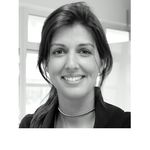
Raquel Vasconcelos
Associate Research Professor
I am a biologist with a doctorate degree in Biology (Ecophysiology) obtained through the University of Lisbon (Portugal) and postdoctoral research experience from the Cornell University (USA). I am currently an Assistant Professor at the Institute of Science and Environment currently teaching neurobiology and environment-related subjects. My research interests are animal communication and underlying neuroanatomical and physiological mechanisms. I am especially interested in the mechanisms controlling auditory sensitivity and how changes in the environment (e.g. noise pollution) and aging affect the structure and function of auditory systems and possible physiological adaptations. I have been using the highly vocal Lusitanian toadfish (Halobatrachus didactylus) and, more recently, the zebrafish (Danio rerio) as my model organisms. My current research lines cover the following topics: 1) development of auditory-vocal systems; 2) hormonal control of auditory sensitivity; 3) effects of environmental stressors (noise) on inner ear anatomy and sensitivity. A parallel project, in collaboration with The University of Hong Kong (Global Night Sky Brightness Monitoring Network), focuses on light pollution in Macau and its implications for local population and biodiversity. I have received several grants from Portugal (FCT, MCTES - SFRH/BM/21774/2005, SFRH/BD/30491/2006) and USA (Grass Fellowship, Grass Foundation, Marine Biological Laboratory; postdoctoral grant, Cornell University), as well as from FDCT, Macau (012/2012/A1; 036/2015/A1). The ongoing research relies on a collaboration with various institutions abroad, namely with the University of Lisbon, Portugal (Fonseca Lab) and the Cornell University, USA (Bass Lab).
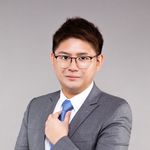
Thomas Lei
Assistant Professor
PERSONAL INTRODUCTIONI am an environmental scientist and an expert on air quality modelling and monitoring. I have completed my doctoral degree in Science from University of Saint Joseph and Environment and Sustainability from Universidade NOVA de Lisboa in March 2021. Over the past years, I have taught classes on the air pollution and air quality forecast in Pollution and Waste Management in the postgraduate levels, Master of Environmental Science at the Institute of Science and Environment at the University of Saint Joseph (ISE-USJ). In addition, I have been an invited speaker to give lecture on the subject of air pollution in a workshop co-organized by Sustaincia and Hong Kong Data Lab. Furthermore, I have been an invited speaker to share my experience in sustainable career and give lecture on air quality forecast in Macao International Environmental Co-operation Forum & Exhibition (MIECF) in 2019 and 2021. I have also been teaching in Lifelong Learning Programme, including Sustainability and Green Finance, and Air Pollution Modelling and Applications.Being fluent in English, Mandarin, and Cantonese, I believe it would add great values to my teaching and research. In addition, I have been giving interviews to the media in Macau about my research and the issues of air quality in Macau, which included TDM Canal Macau, TDM Radio Macau, Macau Business, Hoje Macau, Jornal Tribuna de Macau, and Macau News. I have also attended a variety of international conferences in Portugal, Germany, Malaysia, and Macau to present my research in both oral and poster presentation. My doctoral dissertation, “Air Quality Management in Macao – Assessment, Development of an Operational Forecast, and Future Perspectives,” examines the air quality trends in Macau and develop an air quality forecast for Macau in collaboration with the Macau Meteorological and Geophysical Bureau (SMG).ORCID: https://orcid.org/0000-0001-7726-8820SCOPUS: https://www.scopus.com/authid/detail.uri?authorId=57903812200 ACADEMIC ACTIVITIES· Peer Reviewers of International Journal of Environmental Research and Public Health (IJERPH), MDPI· Peer Reviewers of Atmosphere, MDPI· Peer Reviewers of Energies, MDPI· Peer Reviewers of Air, MDPI· Peer Reviewers of Sustainability, MDPI· Peer Reviewers of Sustainable Cities and Society, Elsevier B.V.· Peer Reviewers of Air Quality, Atmosphere & Health (AQAH), Springer AG· Peer Reviewers of Journal of Cleaner Production, Elsevier B.V. INVITED SPEAKERSTitle: “Green Public Transport Industry Forecast”, The 2nd China (Macau) New Energy and Smart Transportation Trend Development Forum, co-organized by Nam Kwong International Conference and Exhibition Co. Ltd, China National Machinery Industry International Co. Ltd, and SustainciaTitle “Sustainable Career and Air Pollution”, co-organized by Sustaincia and 2021 Macao International Environmental Co-operation Forum & Exhibition (MIECF 2021)Title “Macao Air Quality Forecast Using Statistical Methods”, co-organized by Sustaincia and Hong Kong Data LabTitle “Air Pollution in Macao”, organized by Macao Association of Environmental Protection Industry and 2019 Macao International Environmental Co-operation Forum & Exhibition (MIECF 2019). PUBLIC RELATIONS AND MEDIA COMMUNICATIONS· Interviewed 20+ times by broadcasting and printed media· List of Media Agencies (including TV and Radio Interviews) o TDM Canal Macau o TDM Radio Macau o Macau Business o Hoje Macau o Jornal Tribuna de Macau o Macau News o Revista Macau o Southern Finance o PLATAFORMA Macau
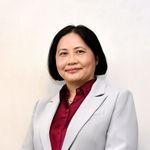
Winnie Shum
Associate Professor (Research Track)
PhD,Associate ProfessorAcademy for Cellular Nutrition and HealthFaculty of Health Sciences& Institute of Science & Environment Research Interests:Epithelial Cell Biology in Exocrine and Reproductive SystemsSperm Maturation & Reproductive Biomedicine & Offspring HealthMicroenvironmental Signals in Epithelial Tissues and HealthFunctional Mechanism of Eatable-Herbal Medicinal Nutrients on Epithelial CellsTranslational Science of Single-Cell Elementomics & Cellular Nutrition Brief Biography:Dr. Shum graduated from the Department of Chemistry of Hong Kong Baptist University with first-class honor. Her PhD was from Pharmacology Dept at The Chinese University of Hong Kong. She went to Pharmacology Physiology Dept of Strathclyde Uni (UK) for a visiting-postdoctoral training, followed by a postdoc-training in Professor Patrick Wong’s lab at Physiology Dept of CUHK. Later, she was delighted to join the lab of Professor Sylvie Breton at Massachusetts General Hospital (MGH) affiliated to Harvard Medical School (HMS). During the postdoc-training at MGH, Shum received the Medical Discovery Award and the Martin Award offered from MGH-ECOR-HMS. Where she was promoted to Instructor. She returned to China and joined the School of Life Sciences and Technology of ShanghaiTech University as an independent principal investigator and a doctoral supervisor. She also received the Shanghai Dawn Scholar Award and was selected as a distinguished researcher during the joint-effort project of the Center for Excellence in Molecular and Cell Science of the Chinese Academy of Sciences. She later joined USJ. For over 20-years, Dr Shum is devoted herself to the basic scientific research. She focuses on exploring the cellular and molecular mechanisms as well as the clinical translational implications of epithelial cellular function, paternal factors and cellular nutrition in regulating epididymal function and sperm maturation for reproductive health and the health of offspring.Major Academic Achievements:· Elucidation of functional mechanisms of epithelial cellular function in health and disease, expecially epididymal homeodynamic microenvironmental signaling regulation of sperm maturation for male fertility and reproductive health, including models of fluid transport, luminal acidification, calcium-redox interactions for luminal clearance, and epithelial junctional-promoted lipid homeodynamics.· Discovered the elementomic signatures of sperm cells, leading to translational work of cell-elementomics as a non-invasive in-vitro-diagnostics (IVD) tool to monitor the functional quality of single cells and access health conditions such as male fertility.· Published 26 SCI-articles and one international patent. Among them, Shum contributed either the first author or the last corresponding author of 16 publications, including Cell, PLoS Genetics and Metallomics, etc. The results have been featured by Science Signaling and Science magazines, and 6 articles have been included in the textbooks of the field.Grants:2021.01 – 2024.12 National Natural Science Foundation of China (NNSFC) | Role: PI2019.01 – 2022.12 National Natural Science Foundation of China (NNSFC) | Role: PI2019.07 – 2021.08 Science & Technology Commission of Shanghai Municipality (STCSM) | PI2017.09 – 2020.08 Science & Technology Commission of Shanghai Municipality (STCSM) | Role: Co-PI2017 Shanghai CAS Open Grant (w/academician Lily YL Zhang) | Role PI2015.01 – 2018.12 National Natural Science Foundation of China (NNSFC) | Role PI2014.01 – 2016.12 Shanghai Municipal of Education Committee | Role PI2009 HMS-MGH ECOR Martin Research Prize | Role: 1st Co-awardee.2008-2009 HMS-MGH ECOR Postdoc Medical Discovery Award | | Role: PI.Scholar Profiles:ORCID: https://orcid.org/0000-0001-7575-6097ResearchGate: https://www.researchgate.net/profile/Winnie-Shum-2Google scholar: https://scholar.google.com/citations?user=QBWwN30AAAAJ&hlLoop: https://loop.frontiersin.org/people/691356/overview
Emeritus Professors
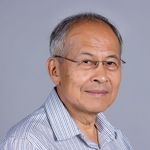
Shek Kiu Chan
Emeritus Professor
<p></p><p></p> <p></p><p></p><p><a name="acadqual"></a></p><p><a name="acadqual"></a></p><p><a name="acadqual"></a></p><p><a name="acadqual"></a></p><p><a name="acadqual">Academic Qualifications</a></p> <ul> <li>Ph.D (Biochemistry) : University Louis Pasteur of Strasbourg, Strasbourg, France</li> <li>MBA : University of East Asia (now University of Macau), Macao, China</li> <li>BAS (Bachelor of Administrative Studies): York University, Toronto, Canada</li> <li>B.Sc. (Biology) : Chinese University of Hong Kong, Hong Kong, China</li> </ul> <p> </p><p><a name="working">Related Working Experience</a></p> <ul> <li>Professor and Chairman of Biology Department, Chu Hai College, Hong Kong</li> <li>Postdoctoral work in Department of Molecular Biology, University of California, Berkeley, USA; Baylor College of Medicine, Texas Medical Centre, Houston, Texas, USA; Cancer Research Laboratory, University of Western Ontario, London, Ontario, Canada</li><li>Retired professor (Chemistry): University of Macau, Macao, China</li></ul><p> </p><p> </p><p><a name="research">Research</a></p> <p><b>Research Interests</b></p> <ul> <li>Environmental Protection</li> <li>Environmental Management</li> <li>Chinese medicinal herbs</li> <li>Traditional Chinese medicine</li><li>Mangroves</li><li>Algae</li> </ul> <p><b>Recent Research Projects</b></p><p><span style="font-size: 15px; line-height: 1.45em;"><b>1.</b>Chinese medicinal herbs of Macao</span></p><p><span style="font-family: Arial, Helvetica, Verdana, Tahoma, sans-serif; font-size: 15px; line-height: 1.45em;">2. 2010-2012.Tagulao K (PI) and Chan SK (Co-PI). Inventory and Assessment of the Marine Flora of Macao. FDCT, reference 028/2010/A.</span></p><p><span style="font-family: Arial, Helvetica, Verdana, Tahoma, sans-serif; font-size: 15px; line-height: 1.45em;">3. 2010. Tagulao K (PI) and Chan SK (Co-PI). DNA technology workshops for secondary school students. FDCT, reference 028/2010/P.</span></p> <div> <p><a name="publications">Selected Publications</a></p> <p><b>a. Articles:</b></p> <li>Pinck, M., Chan, S.-K., Genevaux, M., Hirth, L., and Duranton, H. "Valine Specific tRNA-like Structure in RNA's of Two Viruses of Turnip Yellow Mosaic Virus Group", <i>Biochimie, <b>54</b>, </i>1093(1972).</li> <li>Lo, W.-H., Tang, S.-Y. and Chan, S.-K. "The Political Economy of EIA in Guangzhou", <i>Environ. Impact Assess. Rev</i>. <b>17</b>(5), 371(1997).</li> <li>Pu Shouzhi, Chan Shek-Kiu, Wang Ruji, Zhang Fushi, Zhou Xinhong, Sun Fan, Yuan, P. "Crystal structure of 1,2-bis(2-methyl-5-formyl-thien-3-yl) perfluoro- cyclopentene, C 5F 6(C 4HSCH 3) 2 (CHO) 2, a photochromicdiarylethene.", <i>Z. Kristallogr</i>. NCS 217 (2002): 415 - 416.</li> <li>Song Zhenglin, Zhang Fushi, Li Xue, Chan Shek-Kiu, Zhao Fuqun and Tang Yingwu. "Investigation of a novel phthalocyanine%u2013like photosensitizer", <i>J</i>. <i>Porphyrins Phthalocyanines</i>, 2002, <b>6</b>: 484-488.</li> <li>Pu Shouzhi, Zhang Fushi, Sun Fan, Wang Ruji, Zhou Xinhong, Chan Shek-Kiu. "The allomorphism of a photochromic diarylethene", <i>Tetrahedron Letters</i>, (2003), <b>44</b>(5): 1011-1014.</li> <li>Lin Lin, Chan Shek Kiu, Zhao Fu-Qun, Tang Ying-Wu and Zhang Fu-Shi. "Study of Nicotine Acting as an Uncompetitive Inhibitor of Lipase", <i>Acta Chimica Sinica,</i><b>62</b> (10), 2004, pp. 1003-1006.</li> <li>Hong, C.C., Chan, S.K. and Shim, H. Effect of chloride on biological nutrient removal from wastewater. Journal of Applied Sciences in Environmental Sanitation,(2007), <b>2</b>(3):85-92.</li><li>Chan Shek Kiu. 2012. The Rare Earth Elements of China. The <i>Proceedings of Research on Social Development and Cultural Exchnge</i>, Macao, China, August 5-7, 2012: 118-138.</li><li></li> <p><b>b. Books:</b></p> <li>Chan Shek Kiu and Tan Weiquang. <i>Macao Environment in 20 th Century</i>, Macao: Association of Social Sciences of Macao, 2004.</li> <li>Chan Shek-Kiu and Wu Qi-Gen. <i>Chinese Medicinal Herbs of Macao (Volume 1)</i>, Macao, University of Macau, 2003.</li> <li>Chan Shek-Kiu and Wu Qi-Gen. <i>Common Chinese Medicinal Herbs of Macao (Volume 1)</i>, Guangzhou: Guangdong Science and Technology Pres, 2007.</li><li>Chan Shek-Kiu and Wu Qi-Gen.<i> Common</i> <i>Chinese Medicinal Herbs of Macao (Volume</i><i> 2)</i>, Guangzhou: Guangdong Science and Technology Press, 2009.</li><li><p>. Karen A. Tagulao, Chan Shek Kiu, Susan Wong, Put O. Ang and Karen Kam. Macao%u2019s Mangroves, University of Saint<span style="font-family: Arial, Helvetica, Verdana, Tahoma, sans-serif; font-size: 15px; line-height: 1.45em;"> Joseph, 2012.</span></p></li> <p><b>c. Report:</b></p><p><span style="font-size: 15px; line-height: 1.45em;"><b>1. </b>Macao Foundation and State Environmental Protection Administration of China. </span><i style="font-family: inherit; line-height: 1.45em;">Development Policy of Environmental Protection Industry in Macao and Prioritized Fields of Cooperation with the Mainland</i><span style="font-size: 15px; line-height: 1.45em;">, Macao, 2005</span></p><p><span style="font-family: Arial, Helvetica, Verdana, Tahoma, sans-serif; font-size: 15px; line-height: 1.45em;">2. Macao Foundation and State Environmental Protection Administration of China. </span><i style="line-height: 1.45em;">Development Policy of Environmental Protection Industry in Macao and Prioritized Fields of Cooperation with the Mainland</i><span style="font-family: Arial, Helvetica, Verdana, Tahoma, sans-serif; font-size: 15px; line-height: 1.45em;">, Macao, 2005.</span><span style="font-family: Arial, Helvetica, Verdana, Tahoma, sans-serif; font-size: 15px; line-height: 1.45em;">(Being one of the authors, English version)</span></p><p><span style="font-size: 15px; line-height: 1.45em;">3. Cooperation between Guangdong and Macao in the new era: how to help the Macao residents living in mainland China. Dec 2007.(Being one of the authors. The report has been submitted to the Macao government.)</span></p><p><span style="font-family: Arial, Helvetica, Verdana, Tahoma, sans-serif; font-size: 15px; line-height: 1.45em;"> 4. Co-ordinator of 3 reports for Macao government on future light rail system. (Nov 2005, Apr 2006 and Jan 2007. Those three reports have been submitted to the Macao government.)</span></p><li><p></p></li> <div><p></p><p></p><p></p></div></div><p></p>
Postdoctoral Researchers


Adjunct Professors

Cristina Calheiros
Adjunct Researcher (Visiting Academic)
Cristina Calheiros graduated in Environmental Engineering and holds a PhD in Biotechnology-specialization in Environmental Science and Engineering from Portuguese Catholic University-ESB. Her internship was at Imperial College of Science Technology and Medicine-UK in collaboration with Slater (UK) Limited-Environmental Biotechnology, under the scope of phytoremediation of an organic and metal contaminated sediment and soil. She was Post-Doctoral researcher at Centro de Biotecnologia e Química Fina with Aarhus University-Denmark collaboration, on the subject: wastewater treatment with biological systems using constructed wetlands applied to tourism facilities. Currently she is researcher ar CIIMAR - Interdisciplinary Centre for Marine and Environmental Research of the University of Porto. She was Invited Assistant Professor at UCP in several courses related to environmental engineering and biotechnology such MSc in Environmental Eng. (curricula, pedagogic materials and coordination) and at Escola de Tecnologia e Gestão Industrial-Porto and AESBUC-UCP (2002-2012). She develops and active role in Science-Technology-Society communication through dissemination in short courses, exhibitions and multimedia channels. CCalheiros daily supervised and oversee several students (Post-doc, Master, graduated and pedagogic projects, traineeship and international programs). Has several papers published in peer reviewed international scientific journals, book chapters, papers in technical-scientific journals and in proceedings (international and national scientific meetings), besides several poster and oral communications. She was finalist on COHiTEC program (training program in technology commercialization aimed at supporting the valuation of knowledge produced at R&D institutions), with two projects, Soil remediation through biomass production and Greenhouse produced truffles. The latter was first prize winner of BES Innovation Awards 2009–Biotechnology and Agroindustry. Also, was selected to participate on the use of wetlands in water pollution control course (SOAS-International School of Aquatic Sciences-Denmark). CCalheiros has integrated several Thematic Networks such EU-COST:859/837/831, International Water Association and ANCV-national green roof association. Has participated in the preparation of candidature as PI and integrated as team member and researcher in projects such: related to wastewater management, pytoremediation and treatment solutions (PRIMEn.º70/00298-2008, POCI/AMB/60126/2004, POCTI/CTA/39111/2001), green roofs in urban areas (SFRH/BPD/80885/2011), sustainable tourism and rural development (2001/EQUAL/A2/EM/077, 24298/QREN/SI) and upgrading wastes from food production (FP6-CT-2005-514049).

Ágata Alveirinho Dias
Visiting Academic
Ágata Dias holds a PhD in Geology, specializing in Mineralogy, Crystallography, and Metallogeny, as well as an MSc in Dynamic Geology. Her scientific interests encompass mineralogy, petrology, geochemistry, and marine geology, with a specific focus on deep-sea hydrothermal systems and ore deposits. Since 1996, she has actively participated in research projects related to deep-sea exploration and the study of mineralogy, geochemistry, and ore-forming minerals. Upon joining the ISE, she has also engaged in environmental projects.In addition to her research activities, Ágata Dias has collaborated with various universities and research institutions worldwide. These include IFREMER in Brest, France; ETH in Zurich, Switzerland; NOC in Southampton, UK; the University of Bergen in Norway; FCUL in Lisbon, Portugal; GIGCAS and the State Oceanic Administration (SOA) in China, specifically the SIO (South China Sea Institute of Oceanology) and SIO (State Key Laboratory of Marine Geology). She has also participated in several scientific cruises. With over 20 years of academic experience, Ágata Dias worked as an assistant and auxiliary professor at ULHT and as an invited auxiliary professor at FCUL, both in Portugal, until she joined ISE-USJ in 2012.Postdoctoral experience:2011-2012 Post-doc on the seafloor hydrothermal systems and associated ore deposits in the Portuguese EEZ and adjacent areas. CREMINER/LARSyS Laboratory of Robotics and Systems in Science and Engineering. FCT: SFRH/BPD/68648/20102010-2011 Post-doc on the geochemistry and mineralogy of new Arctic deep sea Hydrothermal system. - Ultra-slow spreading and hydrogen-based deep biosphere Jan Myen and Loky’s Castle hydrothermal fields. H2deep project/ EUROCORES Program – EuroMARC - European Science Foundation (ESF) No. ERAS-CT-2003-980409 of the European Commission: EUROMARC/0001/2007/ H2DEEPMore info here: http://ise.usj.edu.mo/people/agata-alveirinho-diasResearcherID/Publons: ABI-6221-2020 ; ORCID ID: 0000-0003-3026-7366 ; SCOPUS Author ID: 49061005200 ; Research Gate: Ágata A Dias; Ciência ID F318-B7C4-F8CCRECENT RESEARCH PROJECTS:SeaMin – InSituMin projectIn-situ trace elemental and isotopic constraints on modern seafloor massive sulfide mineralization – 现代海底块状硫化物成矿作用的原位微量元素和同位素限制 FDCT File No.: 0041/2021/A1, 2021-2024 (Principal Investigator)SWIMAR – The role of ultramafic-hosted hydrothermal systems in the formation of seafloor deposits: comparison between SWIR and MAR fields/超基性岩系海底熱泉系統於海床熱液礦床扮演之角色:以 SWIR 及 MAR 熱泉系統相互比較為例. FDCT File No.: 002/2018/A1, 2018-2021 (Principal Investigator).SMSMOR – Seafloor Massive Sulfides Resource along Mid-Ocean Ridges. InterRidge Working Group (team member)Mag.I.C. – Petrology and Geochemistry of Igneous Rocks from Macao: Implications for the Crustal Evolution of Southern China. FDCT File No.: 043/2014/A1, 2015-2018 (Principal Investigator).BLUE MINING – Breakthrough Solutions for the Sustainable Exploration and Extraction of Deep Sea Mineral Resources. FP7 (7th research framework programme), EU Research Projects. Proj. ref.: 604500, 2014-2018 (team member).
Last Updated: January 23, 2026 at 3:17 pm