“International Carbon Market Talent Training Program 2026” opens in Macao – Government, Industry and Academia gather to promote international Green Cooperation
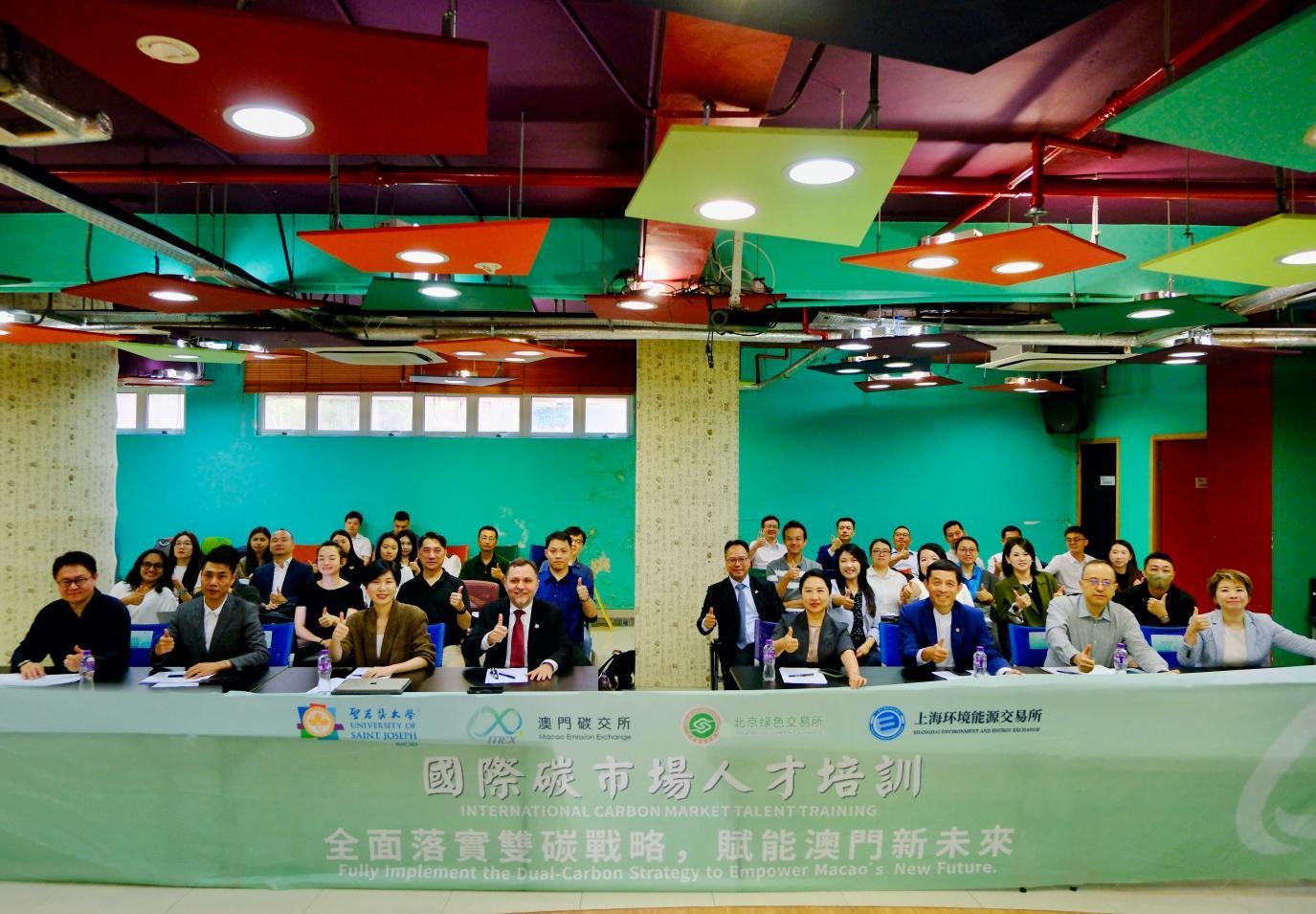
“International Carbon Market Talent Training Program 2026” opens in Macao - Government, Industry and Academia gather to promote international Green Cooperation
22
Jun
22/06/2026
This three-day training programme aims to cultivate professionals with practical carbon market skills and an ESG strategic vision for Macao and the Greater Bay Area.
The ‘International Carbon Market Talent Training 2026’, jointly organised by the Macao International Carbon Emissions Exchange (Macao Carbon Exchange), the Beijing Green Exchange, the University of Saint Joseph, and the Shanghai Environment and Energy Exchange, was officially launched on 16 June 2026 at the University of Saint Joseph Nape Campus in Macao.
This three-day training programme aims to cultivate professionals with practical carbon market skills and an ESG strategic vision for Macao and the Greater Bay Area. Simultaneously, with the continuous expansion of the national carbon market and the accelerated development of cross-border carbon trading, this international carbon market talent training is timely, further contributing to the implementation of the national ‘dual carbon’ goals and the moderate diversification of Macao’s economy.
Participants included representatives from well-known companies such as CEM (China Electricity Council International), MGM Cotai, Yonyou Software, Aobang Construction, Zhuhai Lian Port, and Huafa New Energy.
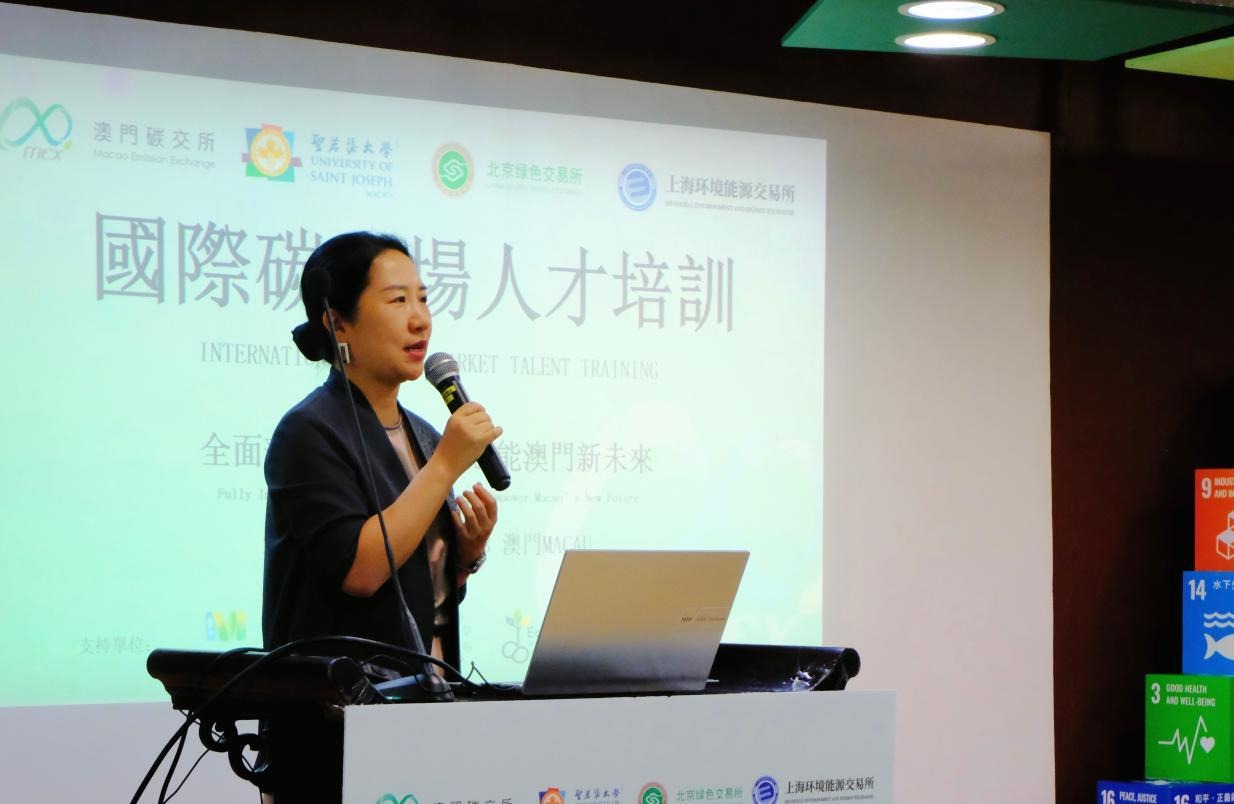
During the welcoming speech, Ms Meng Meng, general manager of the Macao International Carbon Emissions Exchange (MEX), pointed out that since its launch in October 2024, the MEX has always pursued the mission of ‘serving the country’s dual carbon goals and building a bond of climate cooperation between China and foreign countries’. She said: ‘As an international free port, Macao naturally possesses the genes to become a “super connector in the international carbon market”. This training relies on Macao’s unique advantages to build a talent bridge connecting China and the international carbon market.’ Meng Meng also revealed that more than 1.13 million tonnes of carbon credits have been traded, and the exchange now has 146 registered members. Moreover, every effort is being made to build an intelligent trading infrastructure based on AI and blockchain to promote direct connections between international registries and trading systems.
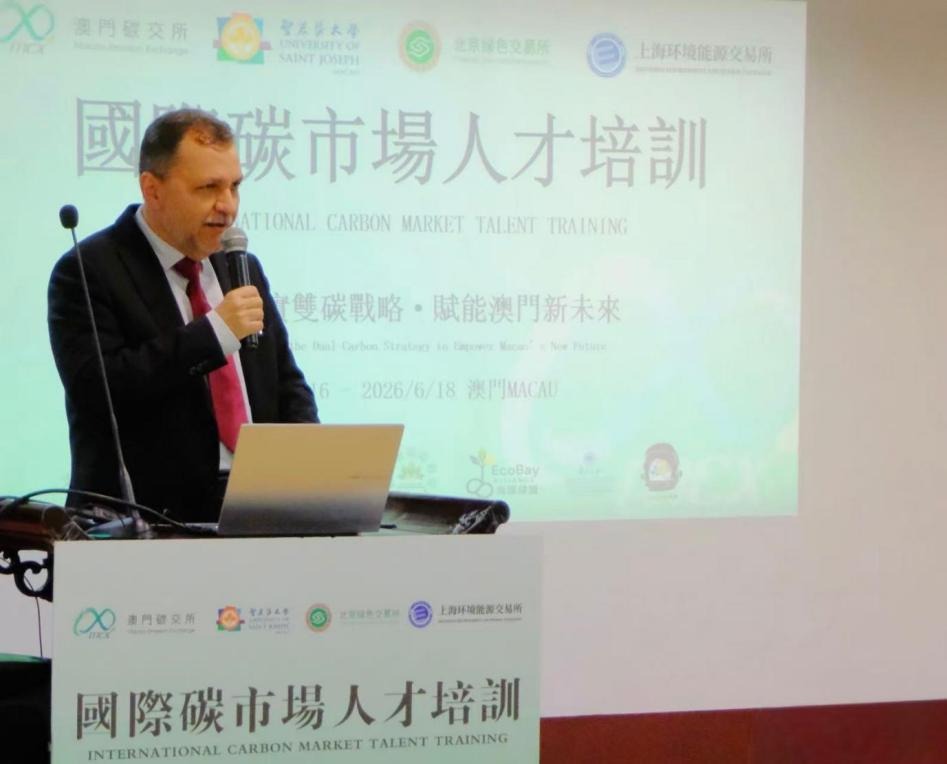
Professor Alexandre Lobo, Vice-Rector for Innovation and Academic Research at USJ, emphasised the university’s commitment to promoting interdisciplinary research and international cooperation. ‘The crucial role of higher education in cultivating green and low-carbon talent is vital for success. USJ will fully leverage its advantages as a platform for educational cooperation between China and Portuguese-speaking countries to contribute academic strength to the cultivation of talent for the carbon market, and to continuously promote the moderate diversification of Macao’s economy.’
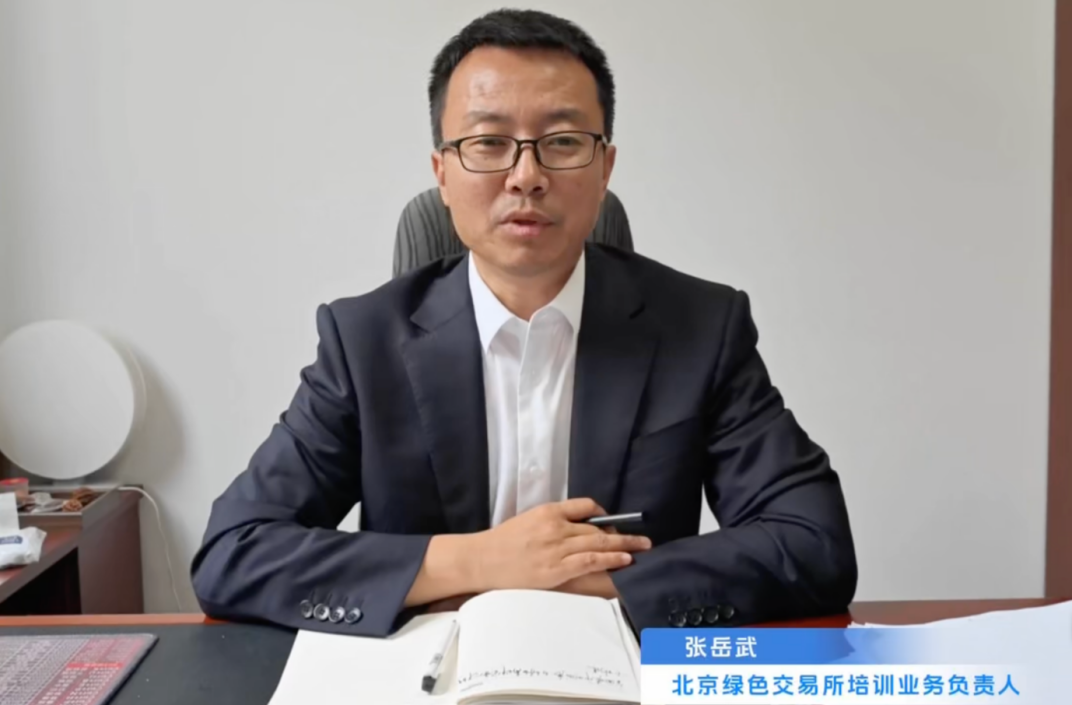
This training session featured a video address from Zhang Yuewu, Deputy Director of the Green Training Centre and Carbon Trading Centre of the China Beijing Green Exchange. Director Zhang highly recognised the platform value of this Macao International Carbon Talent Training Programme, shared the mainland’s experience in dual-carbon development, and expressed his commitment to further deepening cross-regional cooperation with Macao, jointly cultivating carbon professionals with a cross-border perspective, and promoting the high-quality development of Macao’s green finance and Sino-Lusophone green cooperation.
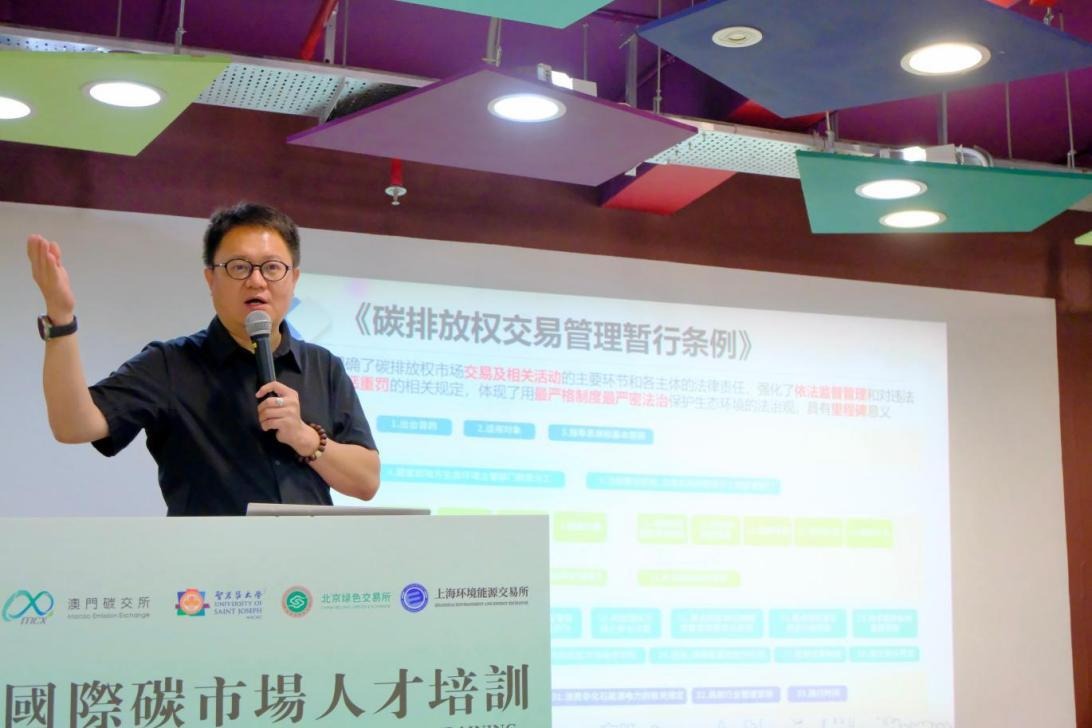
Liu Liang, Chief Consultant of the Shanghai Environment and Energy Exchange, stated that as the institution designated by the Ministry of Ecology and Environment for the construction and operation of the national carbon emissions trading system, the Shanghai Environment and Energy Exchange has been deeply involved in the design of the national carbon market’s operational mechanism and the formulation of trading rules. Chief Consultant Liu emphasised that carbon market capacity building is the cornerstone of the market’s healthy development, and this training will provide participants with a systematic knowledge framework ranging from policy interpretation to practical operations.
Sino-Lusophone Green Cooperation Exchange Seminar

Following the opening ceremony, the highly anticipated ‘Sino-Lusophone Green Cooperation Exchange Seminar’ was held. The seminar brought together numerous experts and industry leaders in the green and low-carbon field from mainland China, Macao, and Portuguese-speaking countries, including Geng Liang, Deputy Executive Director of the Macao Portuguese and Spanish-speaking Countries Entrepreneurs Association; Su Chang, Deputy Director of the Carbon Emission Trading Mechanism Research Office, Market Mechanism Department, National Centre for Climate Change Strategy and International Cooperation; Tian Hao, representative of the Sustainable Investment Capacity Building Alliance; Ruby O, Assistant Vice President of Sustainable Development and Business Synergy at MGM COTAI; Emil Marques, Head of the Executive Training and Lifelong Learning Office, USJ; and Xu Jingfei, Director of the Dual-Carbon Innovation Centre of the Zhuhai Fudan Innovation Research Institute.
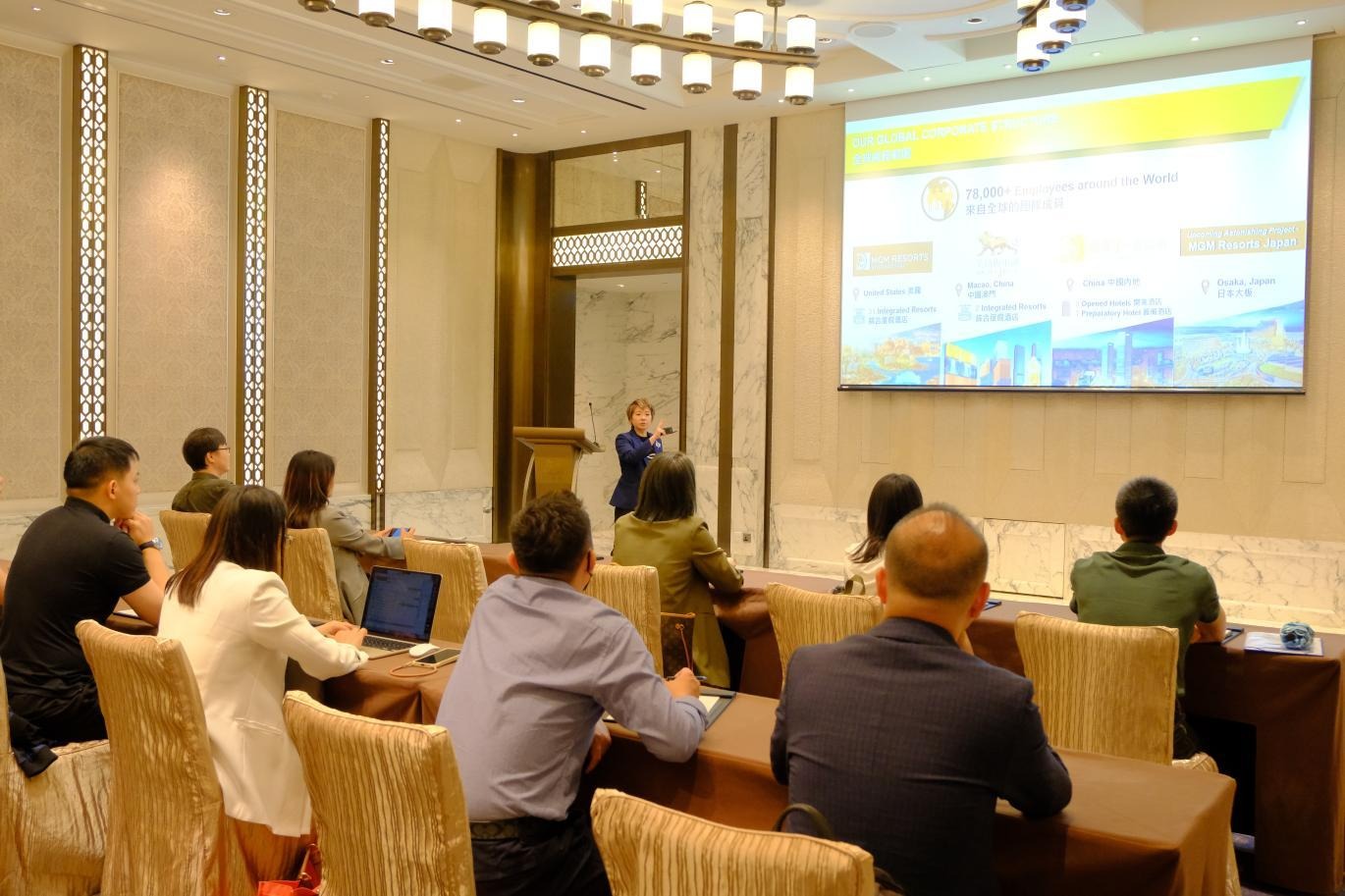
The panel discussed Macao’s role as a platform and new opportunities for Sino-Lusophone green cooperation. Tian Hao, representative of the Sustainable Investment Capacity Building Alliance, shared the latest trends in international sustainable investment and experience in capacity building. Ruby O, Assistant Vice President of Sustainable Development and Business Synergy at MGM COTAI, introduced MGM’s practical experience in carbon neutrality and sustainable development from the perspective of an integrated resort operator. The guests at the meeting engaged in in-depth exchanges on topics such as the implementation of Article 6 of the Paris Agreement, the practical path of green finance in the Asian carbon market, and the role of Macao as a platform under the China-Portuguese cooperation framework. They fully capitalised on Macao’s role and function as a platform for carbon trading cooperation between China and Portuguese-speaking countries.
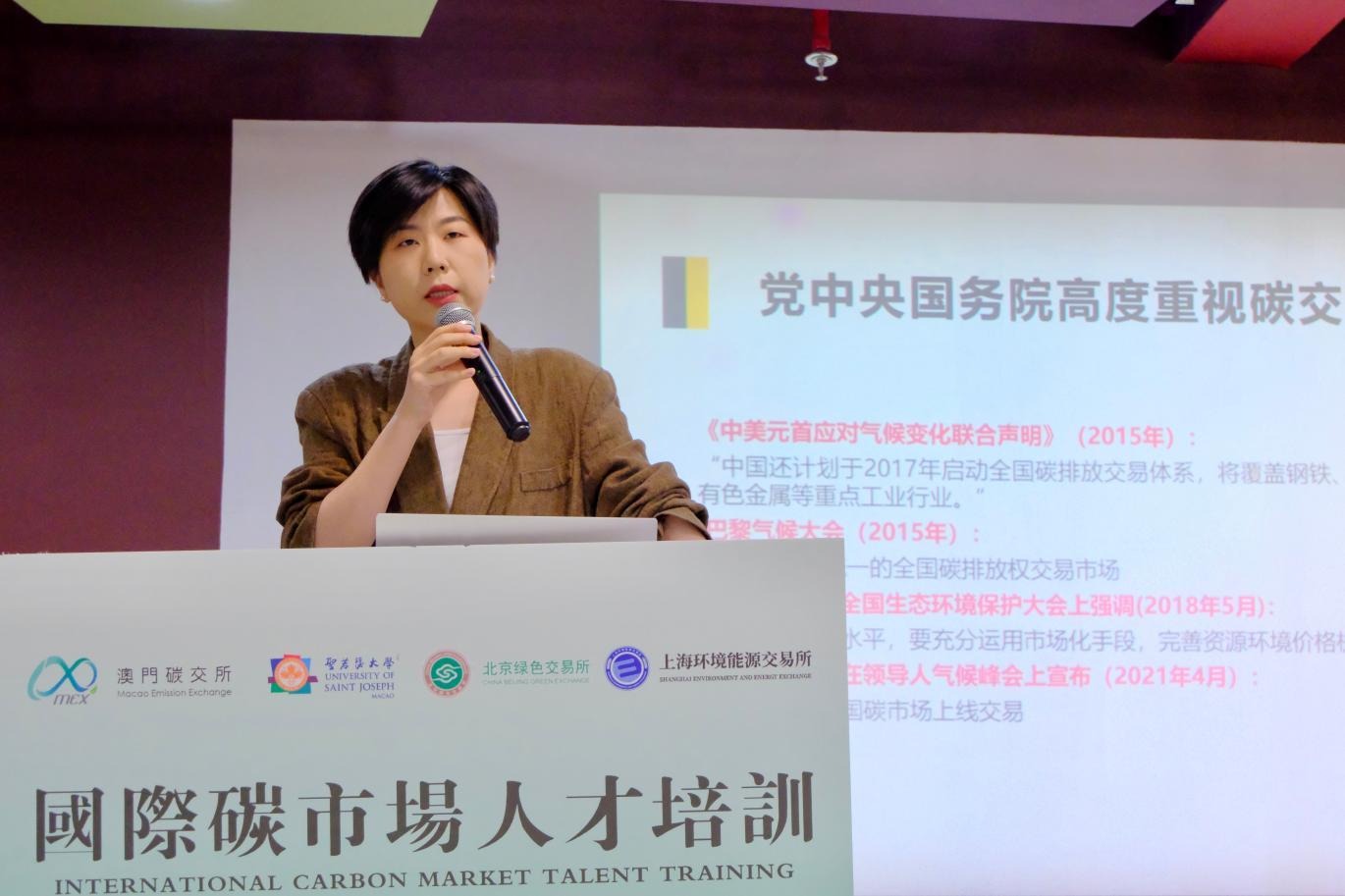
Su Chang, Deputy Director of the Carbon Emissions Trading Mechanism Research Office of the Market Mechanism Department of the National Centre for Climate Change Strategy and International Cooperation, provided an in-depth interpretation of China’s carbon market policy framework and development progress at the seminar. Su Chang has long been engaged in research on carbon trading mechanism policies, providing strong support for core tasks such as legislation, system formulation, and quota allocation for the national carbon emissions trading market. She pointed out that as the national carbon market continues to expand its industry coverage, carbon pricing mechanisms will play an increasingly important role in China’s green and low-carbon transformation.
Exciting courses continue to unfold, emphasising both theory and practice
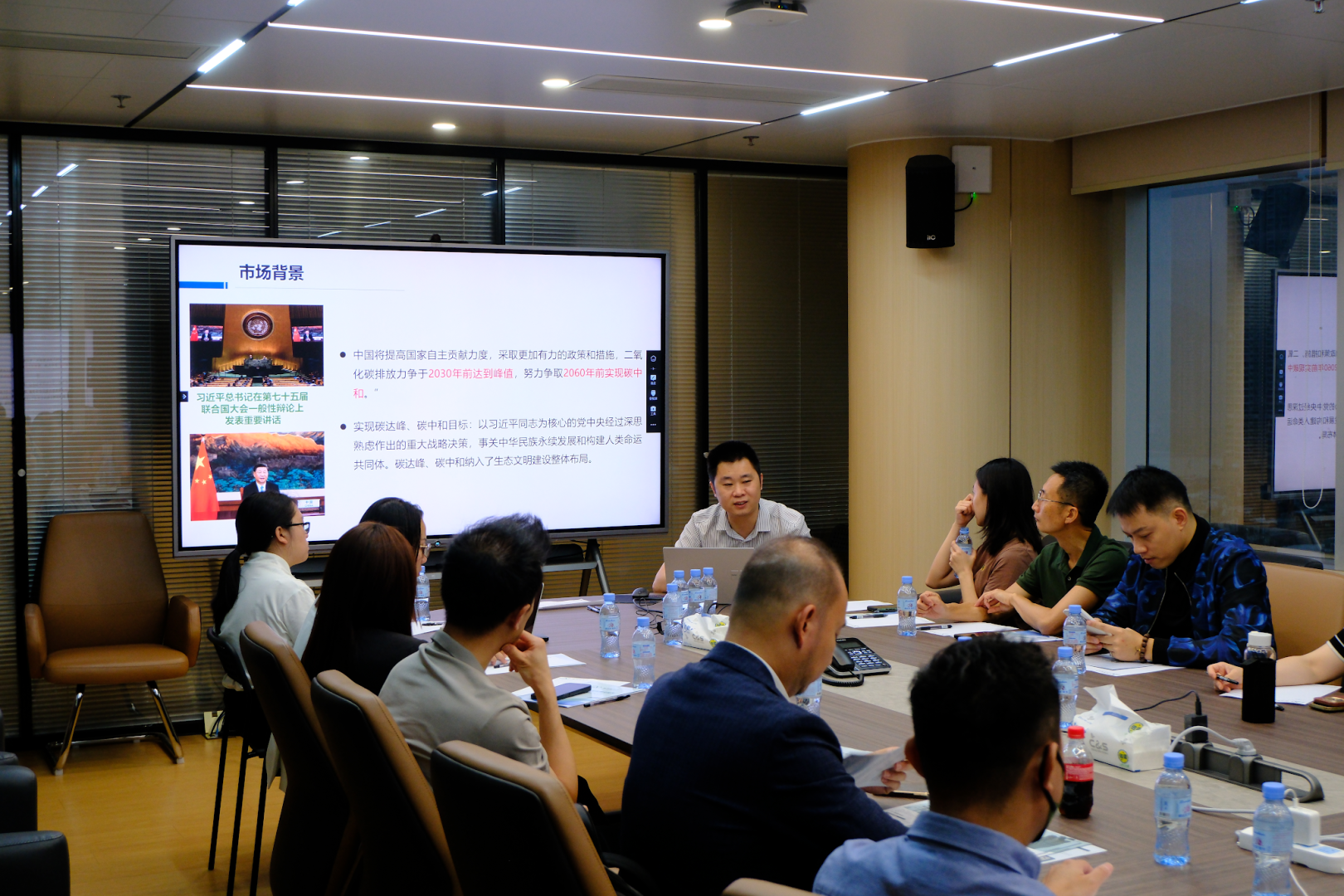
During the subsequent three-day training, participants systematically studied core modules including the international climate negotiation process and carbon market investment opportunities; domestic and international carbon emission reduction development mechanisms; national carbon emission peaking and carbon neutrality strategies, alongside investment and financing policies; China’s carbon market policies and construction progress; carbon market trading rules and market operation analysis; green finance empowering the transformation of carbon emission reduction projects, an introduction to the CCER mechanism, and a demonstration of trading system operations.
The course adopted a diversified model of ‘policy interpretation + theoretical lectures + case practice + field visits’. It brought together authoritative experts in the industry, including Jin Ling, senior engineer of the Carbon Peaking and Carbon Neutrality Research Centre of the Environmental Planning Institute of the Ministry of Ecology and Environment; Su Chang, deputy director of the Carbon Emission Trading Mechanism Research Office of the National Climate Change Strategy Research Institute; Chen Hao, R&D Director of the Macau International Carbon Emission Exchange; Liu Liang, chief consultant of the Shanghai Environment and Energy Exchange; Xu Jiaxuan, head of climate change and sustainable development business at China Inspection (Hong Kong) Limited; Tian Hao, consultant for the Sustainable Investment Capacity Building Alliance (CASI); and Liu Lu, senior manager of the Green Training Centre of the Beijing Green Exchange.
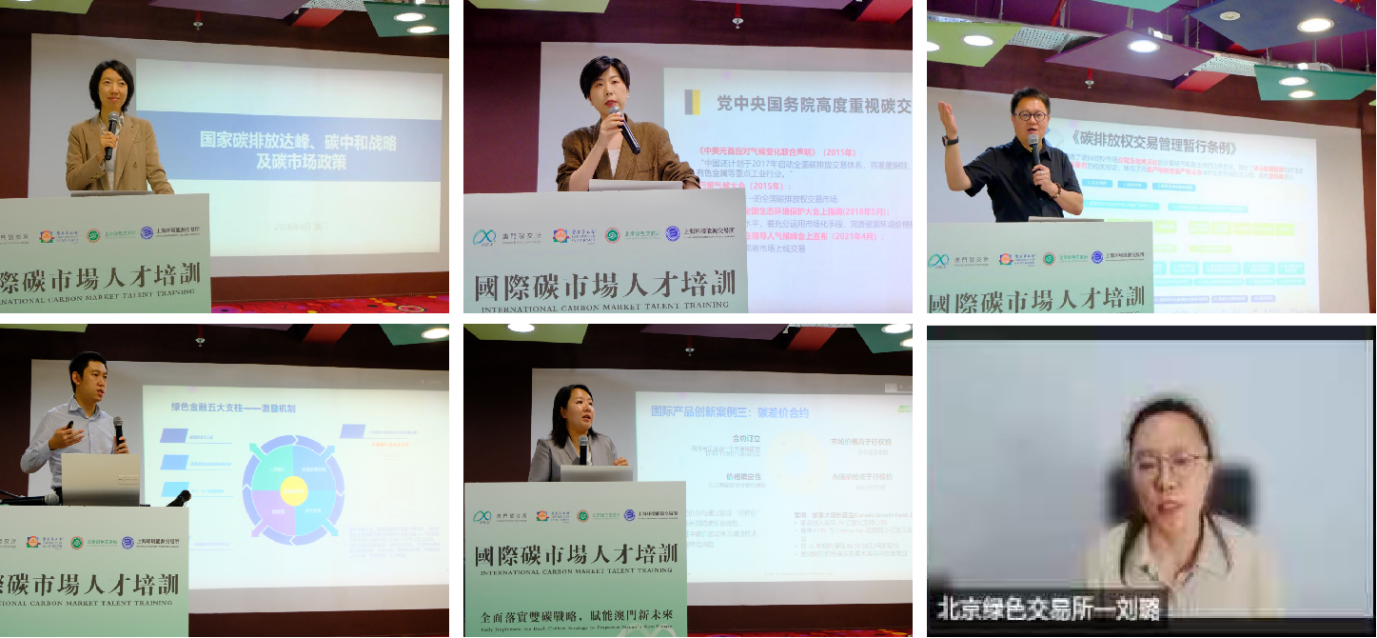
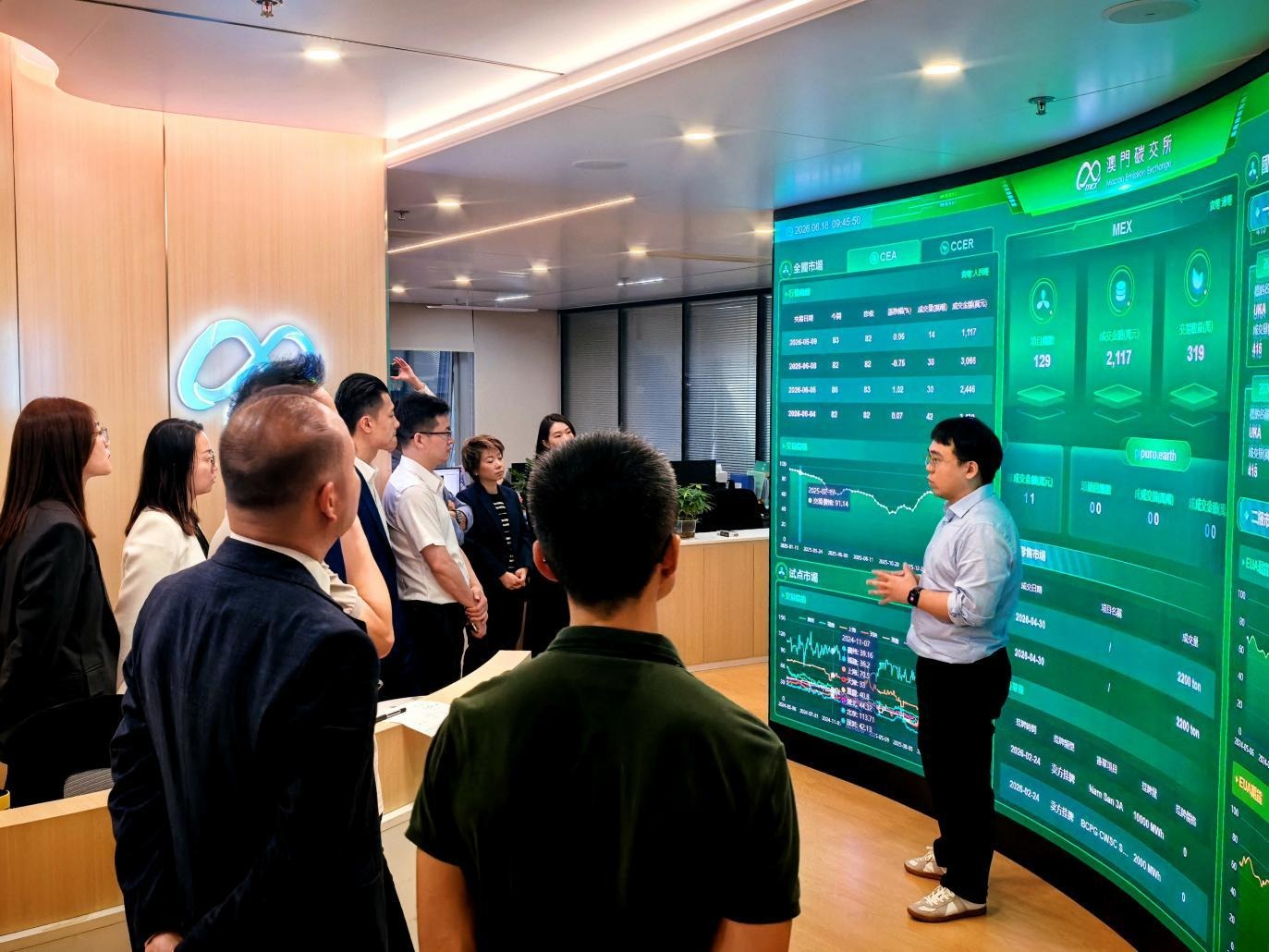
During the training, participants also visited the Macao International Carbon Emissions trading hall and MGM’s green hotel/green building projects, gaining firsthand experience of the real-world operation of carbon credit trading and the innovative practices of integrated resorts in energy conservation, emission reduction, and green operations. The training programme also included a workshop on ‘International Carbon Credit Development Practices’, featuring invited carbon emission reduction project owners who shared their practical experience and project processes in international carbon credit development, explaining the practical aspects of carbon asset development to the participants.
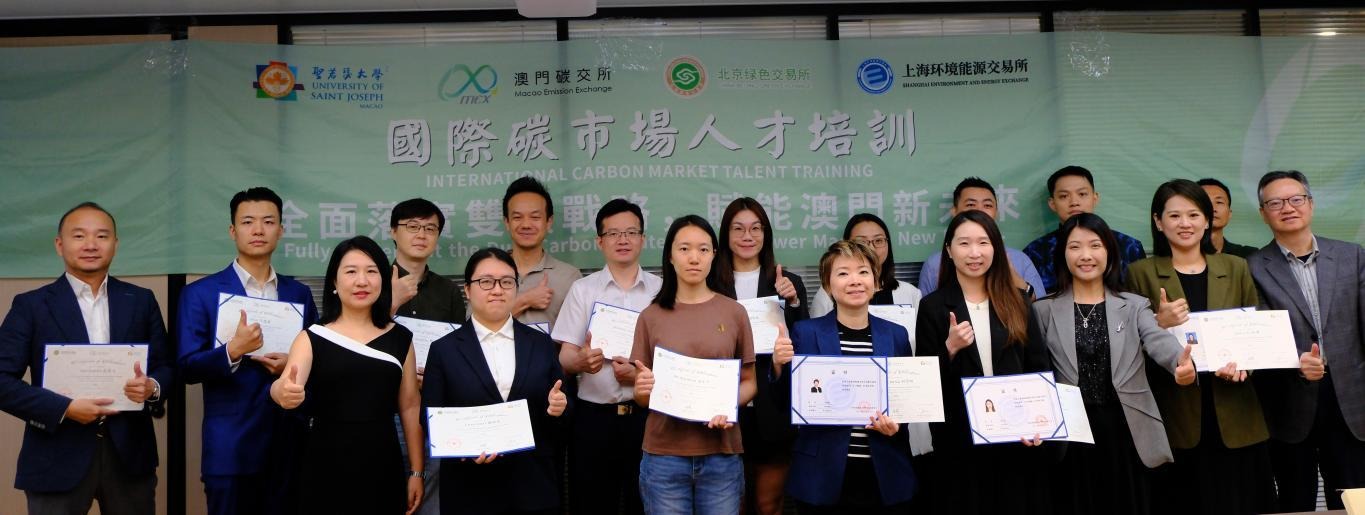
On-site inspection of MGM green hotel/green building projects and Diploma award
The successful hosting of the ‘International Carbon Market Talent Training 2026’ has not only cultivated a group of green pioneers with an international vision and practical capabilities for Macao and the Greater Bay Area, but has also injected new momentum into Sino-Lusophone green and low-carbon cooperation.
In the future, with the accelerated expansion of the national carbon market and the increasing activity of cross-border transactions, Macao will continue to deepen its unique role as a ‘super-connector’. All partners will seize this opportunity to continuously build a solid bond for climate cooperation between China and other countries, focusing on talent and innovation, and jointly writing a new green chapter for the national ‘dual-carbon’ strategy and the moderately diversified development of Macao’s economy.