USJ International Cultural Festival 2026: Experience the Vibrancy of Multiculturalism
USJ International Cultural Festival 2026: Experience the Vibrancy of Multiculturalism
19
Mar
19/03/2026
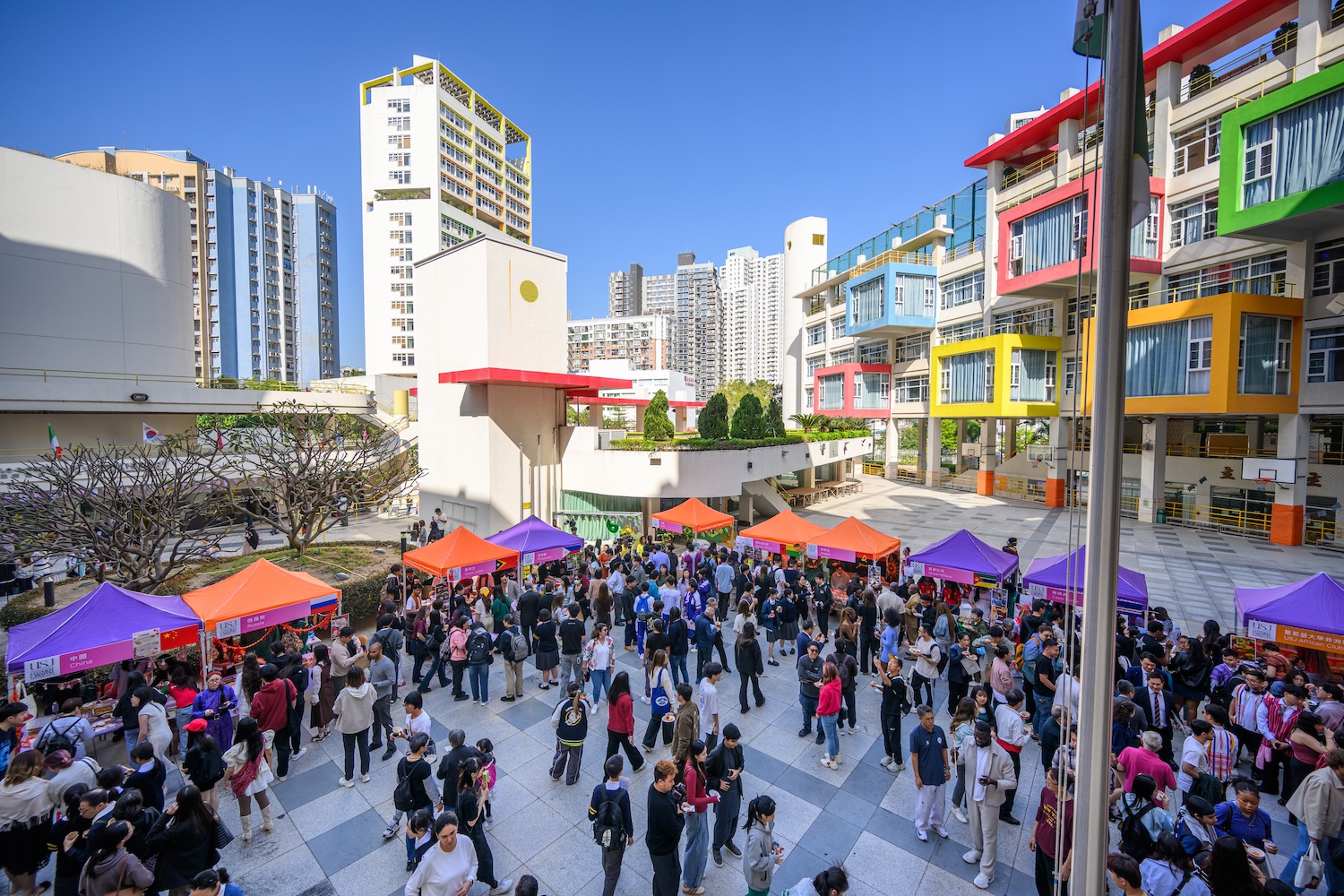
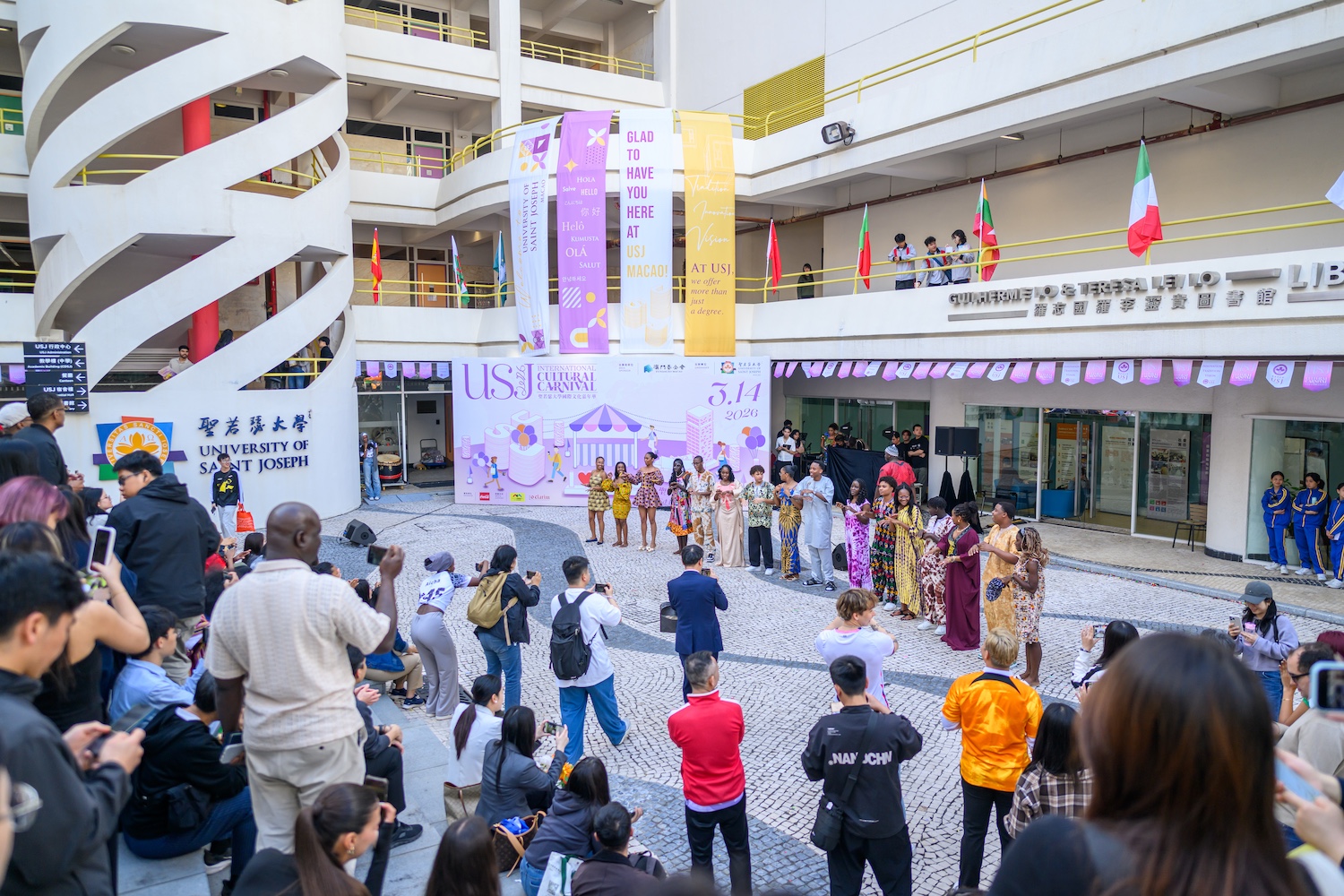
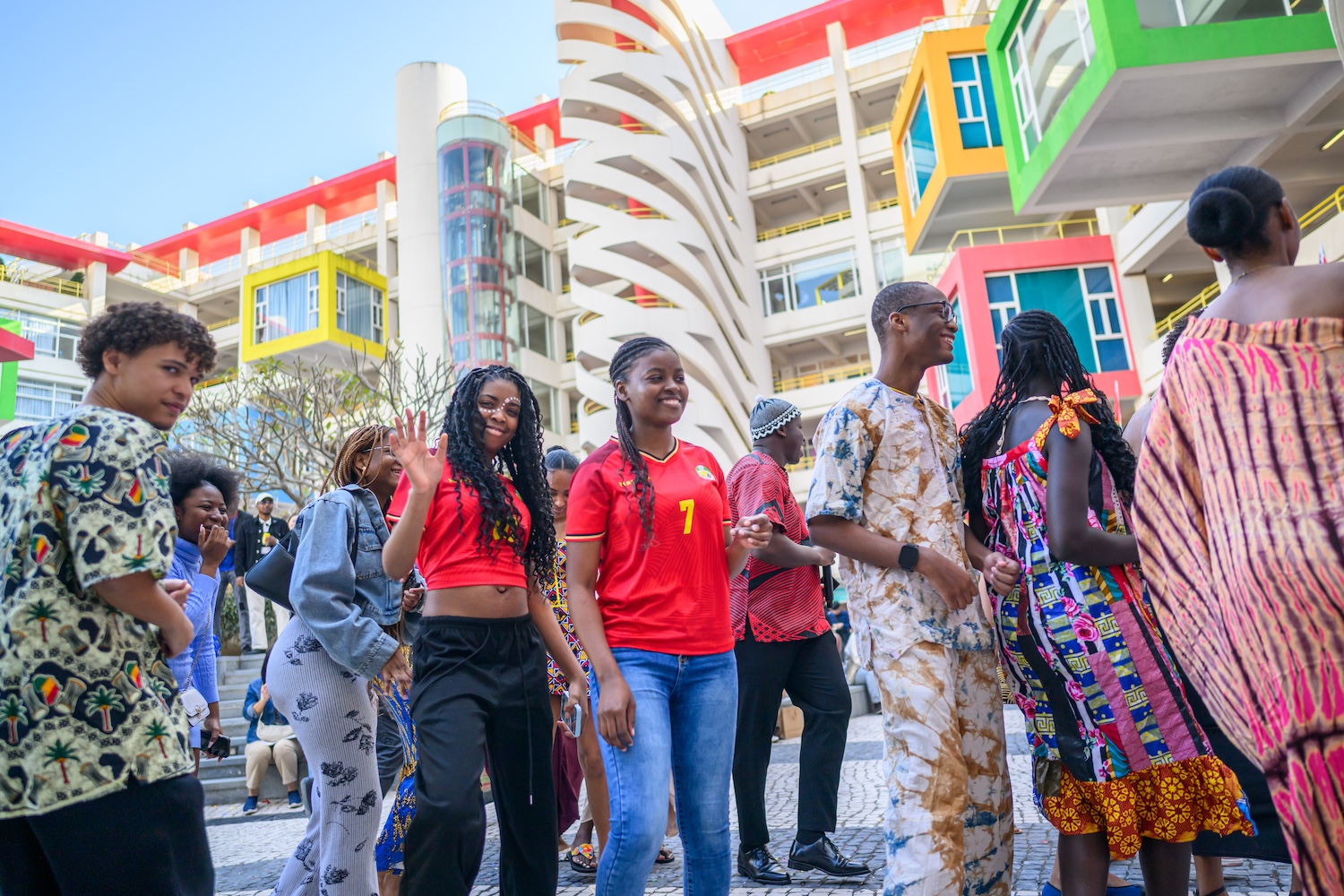
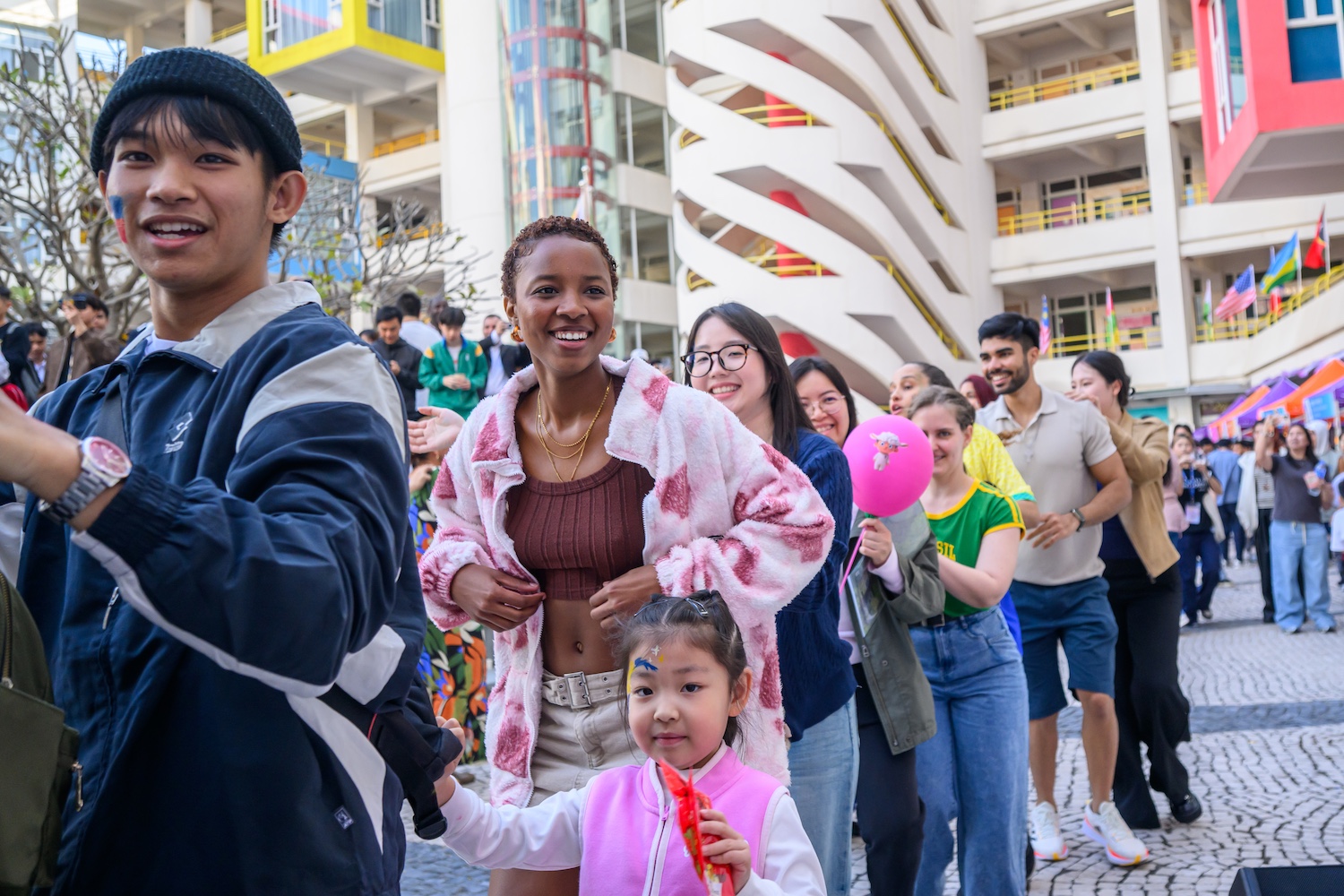
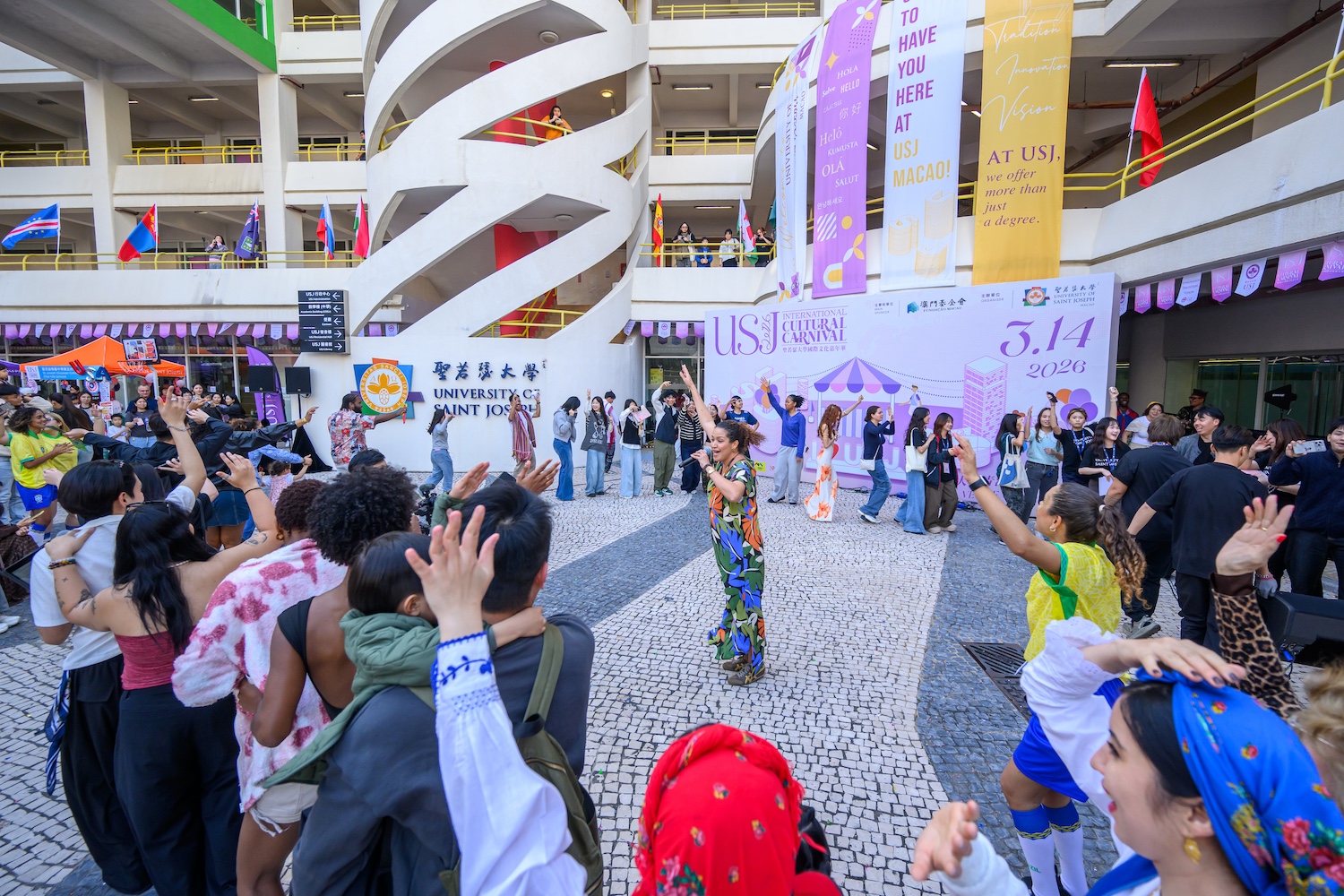
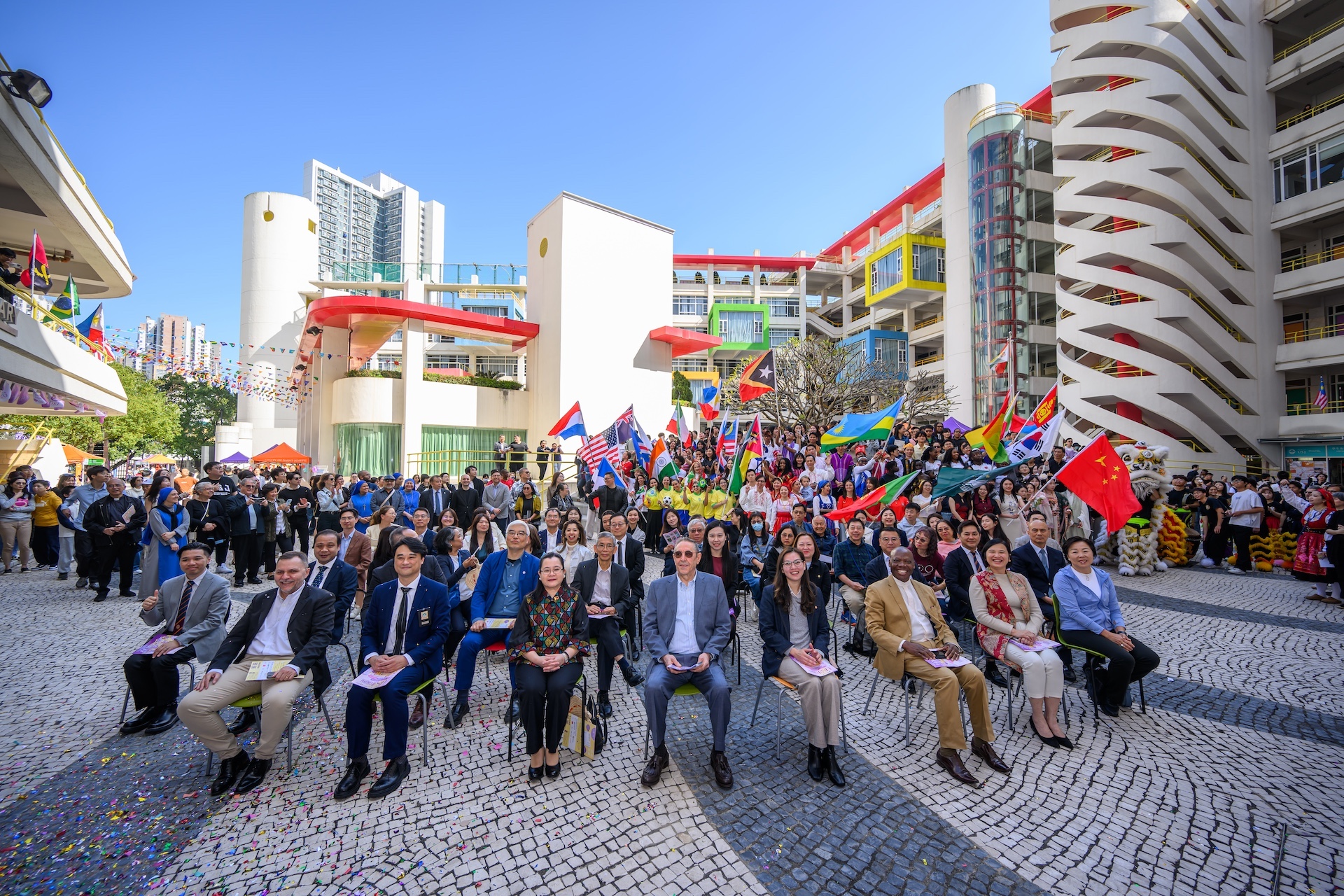
The University of Saint Joseph’s (USJ) International Cultural Carnival 2026 took place on Saturday, 14 March 2026, at its Ilha Verde Campus, turning it into a vibrant global village.
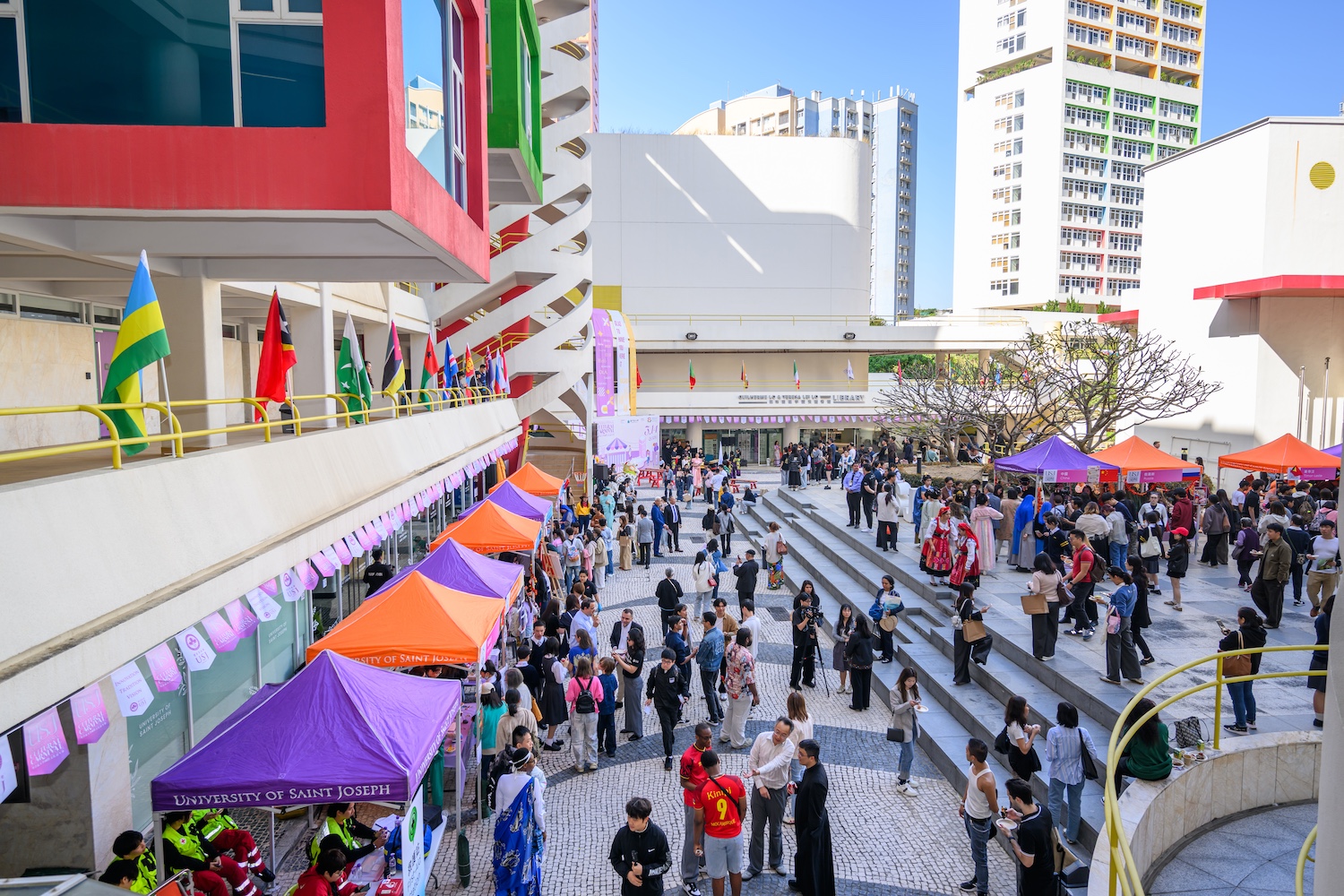
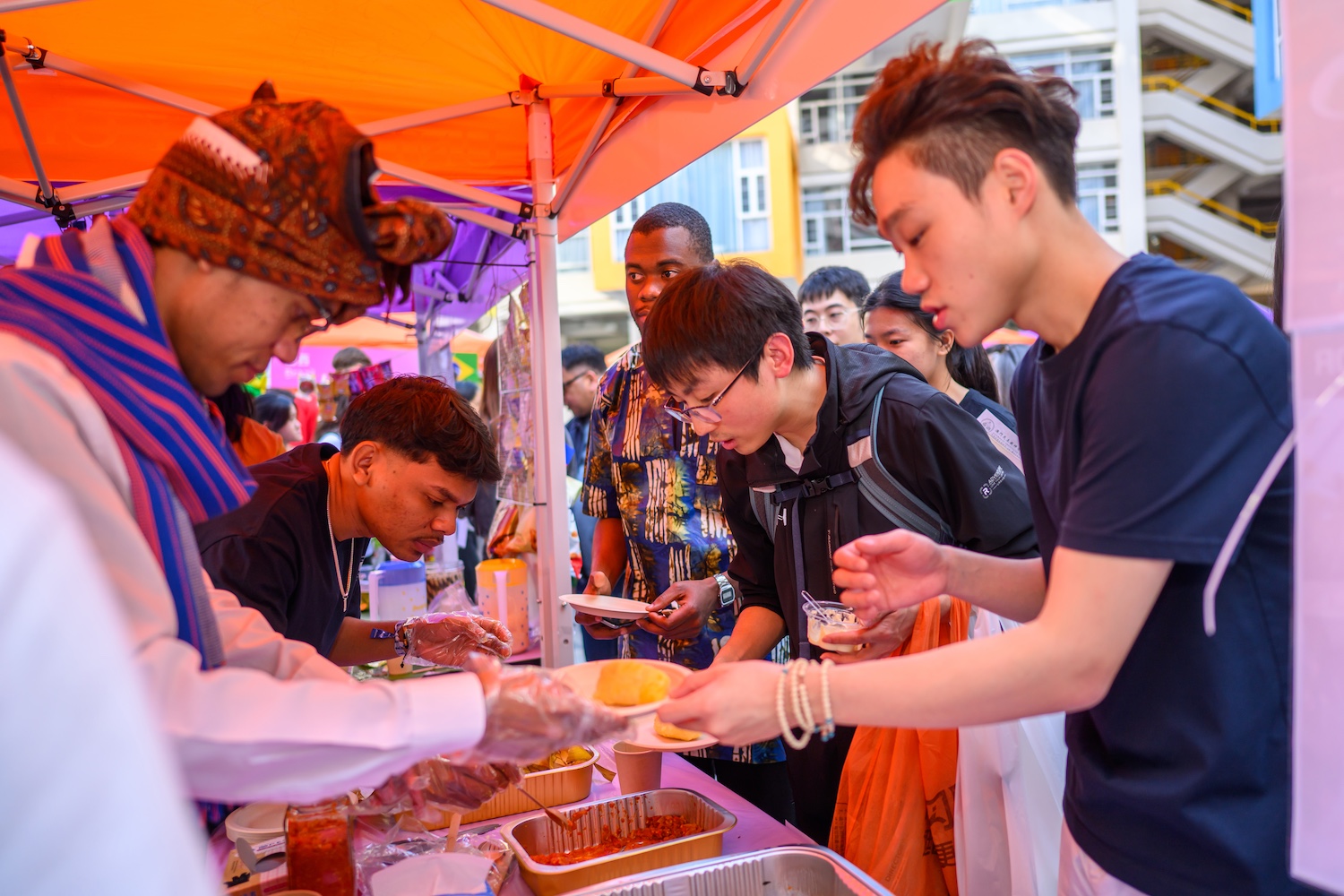
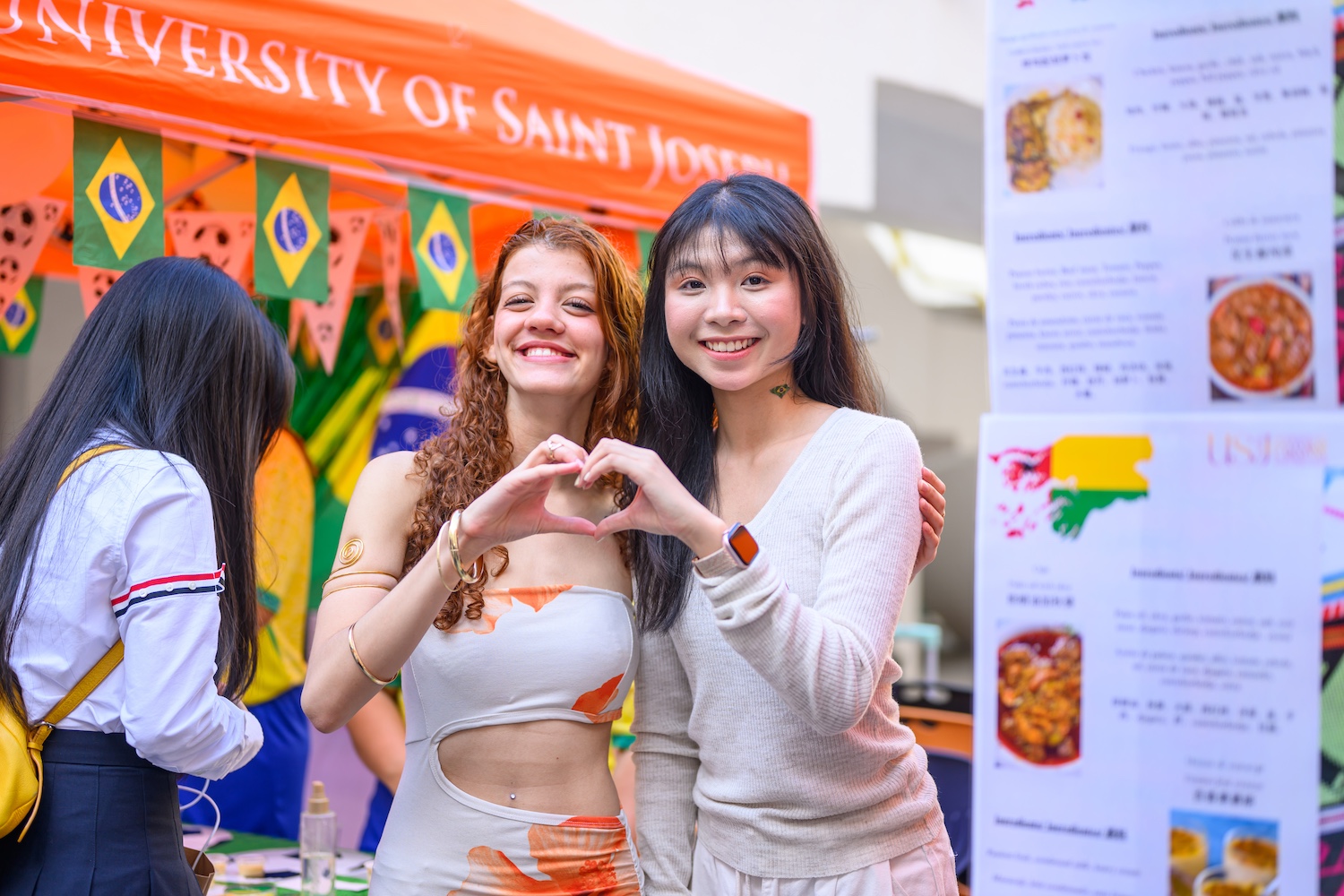
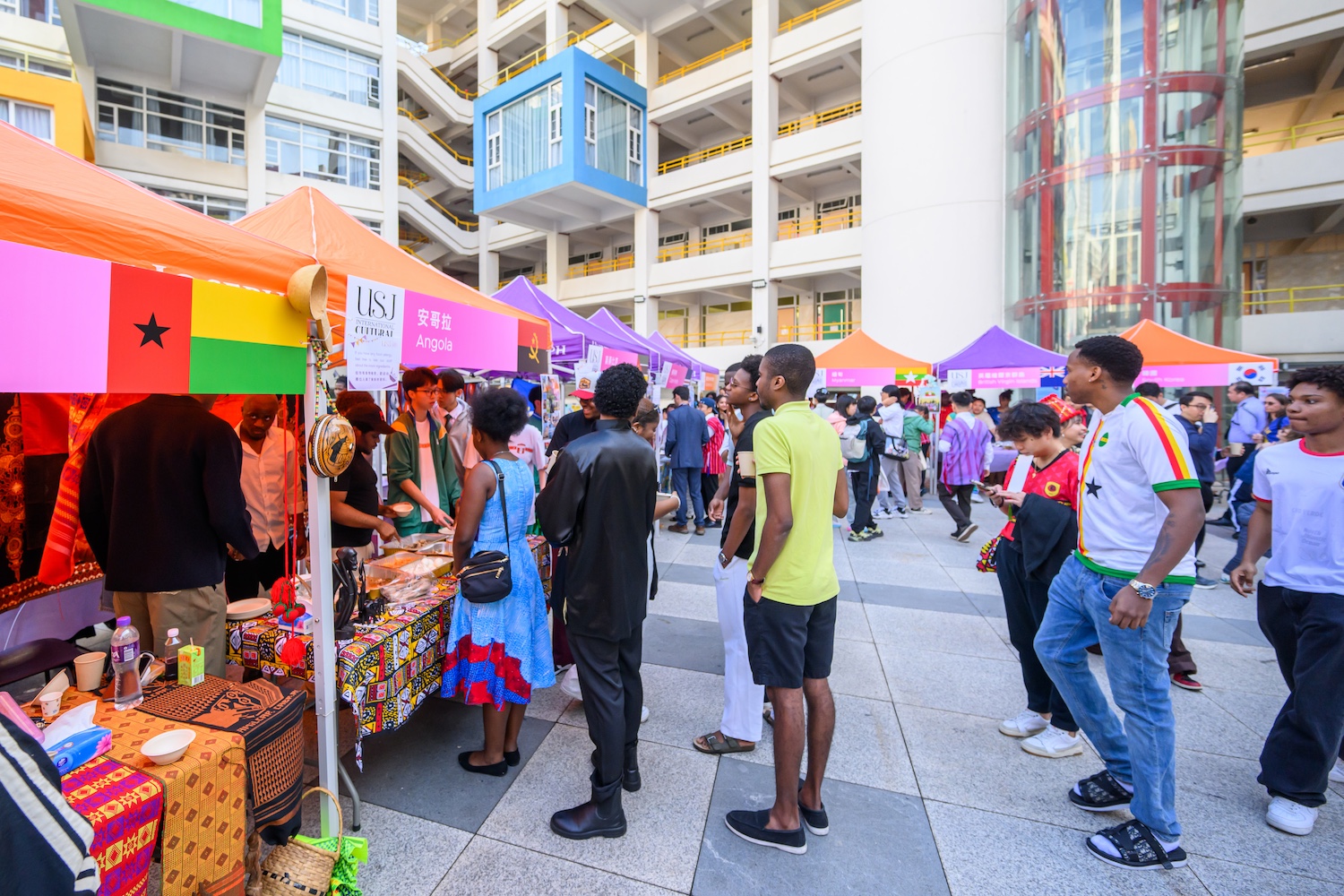
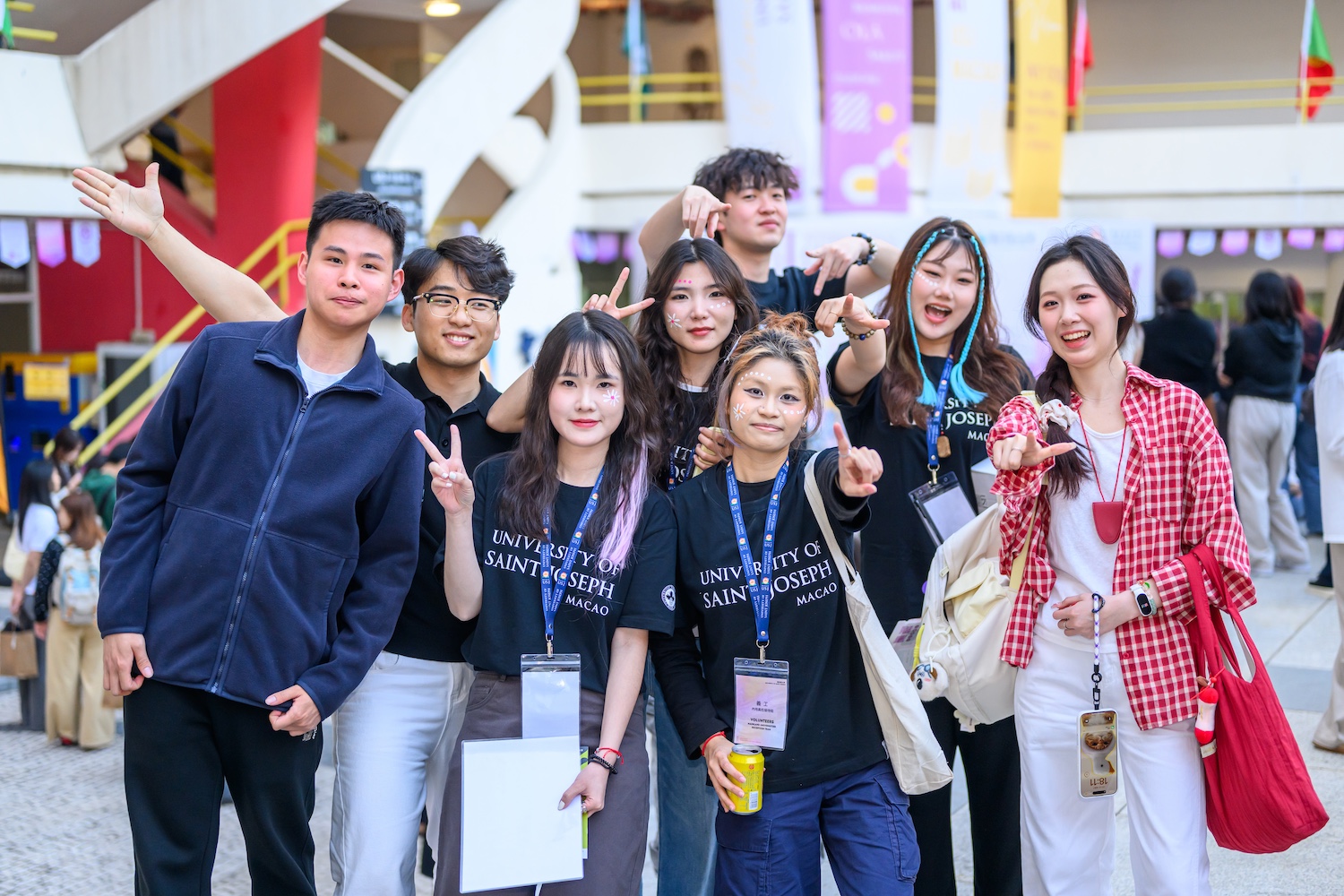
The University of Saint Joseph’s (USJ) International Cultural Carnival 2026 took place on Saturday, 14 March 2026, at its Ilha Verde Campus, turning it into a vibrant global village. Organised by students and staff members representing more than 50 nationalities, the Carnival featured 30 stalls offering a diverse array of food, games, and cultural activities opened to the public. The event aimed to offer the public a unique opportunity to experience the University’s rich multicultural environment while fostering meaningful connections between international students and the local Macao community.
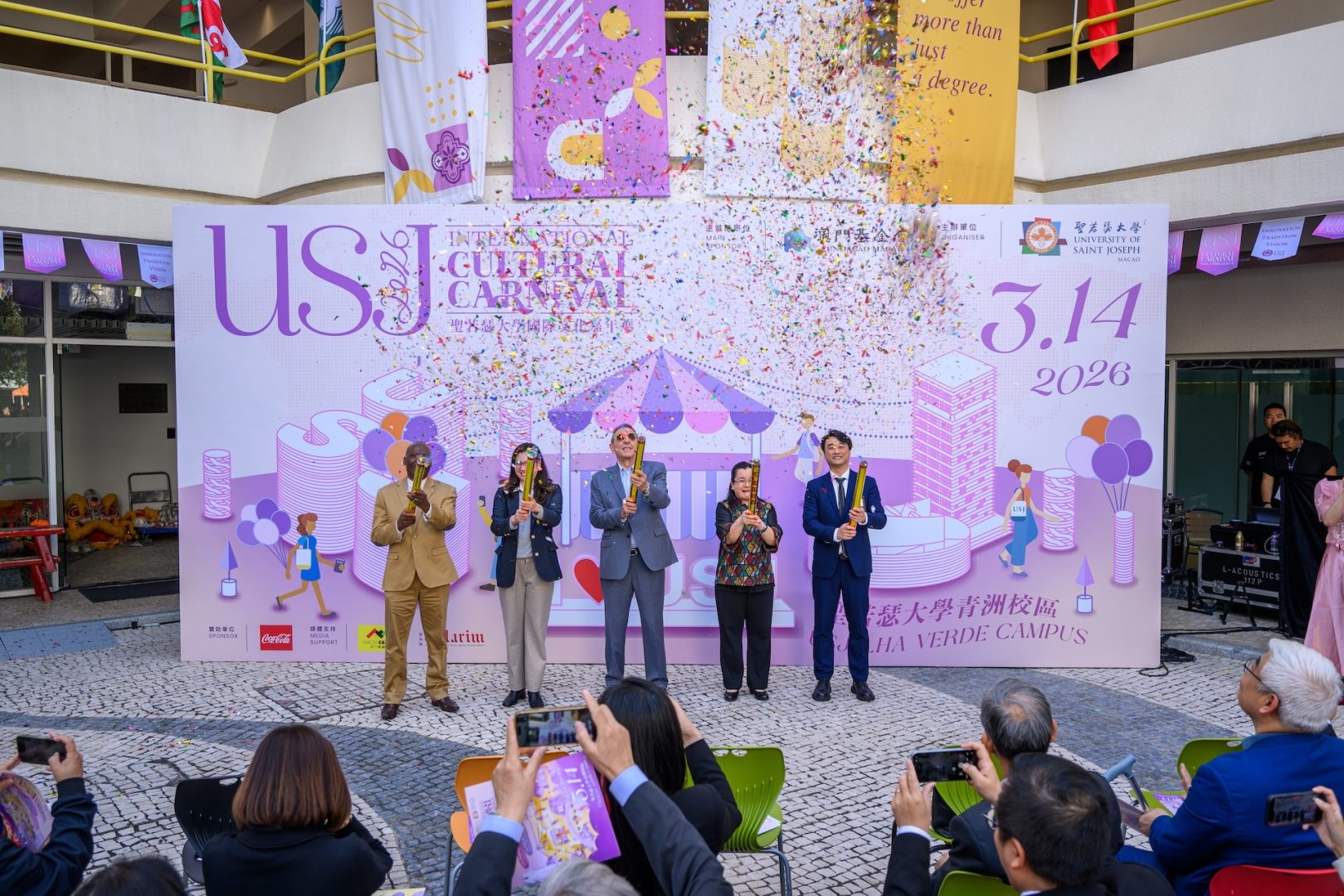
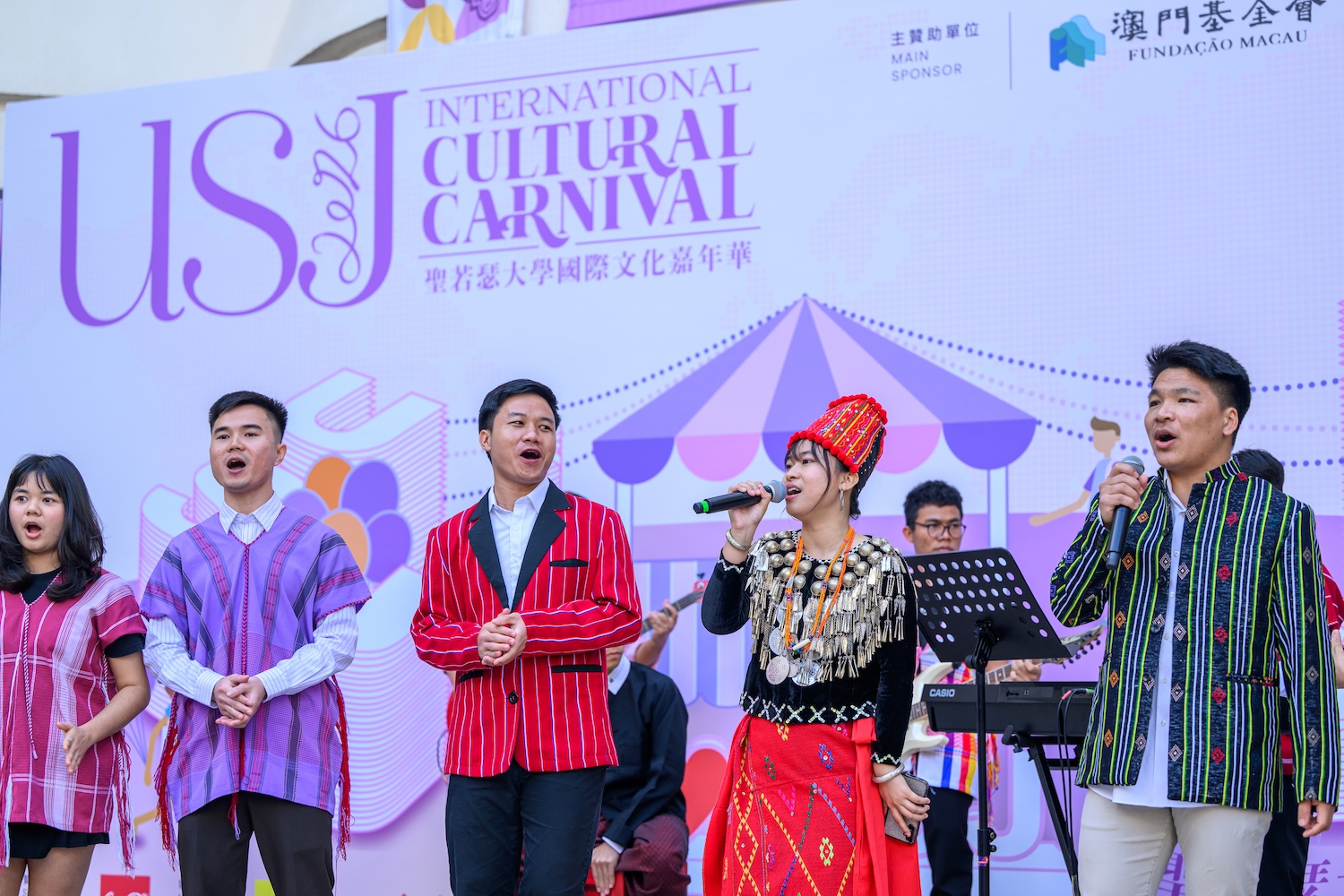
The event is sponsored by the Macau Foundation and Macau Coca-Cola Beverages Co., Ltd., with support from Macau Cable TV and O Clarim.
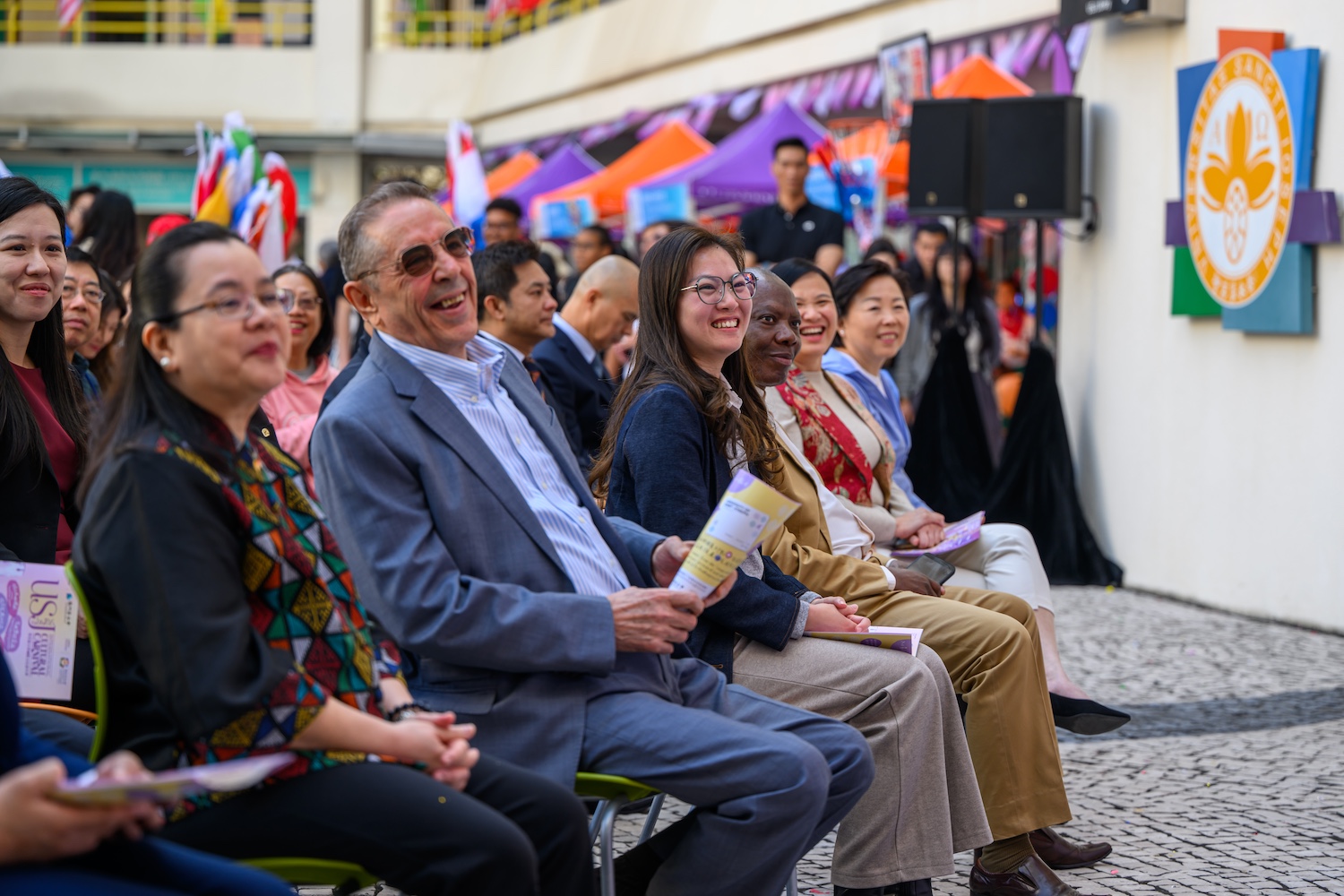
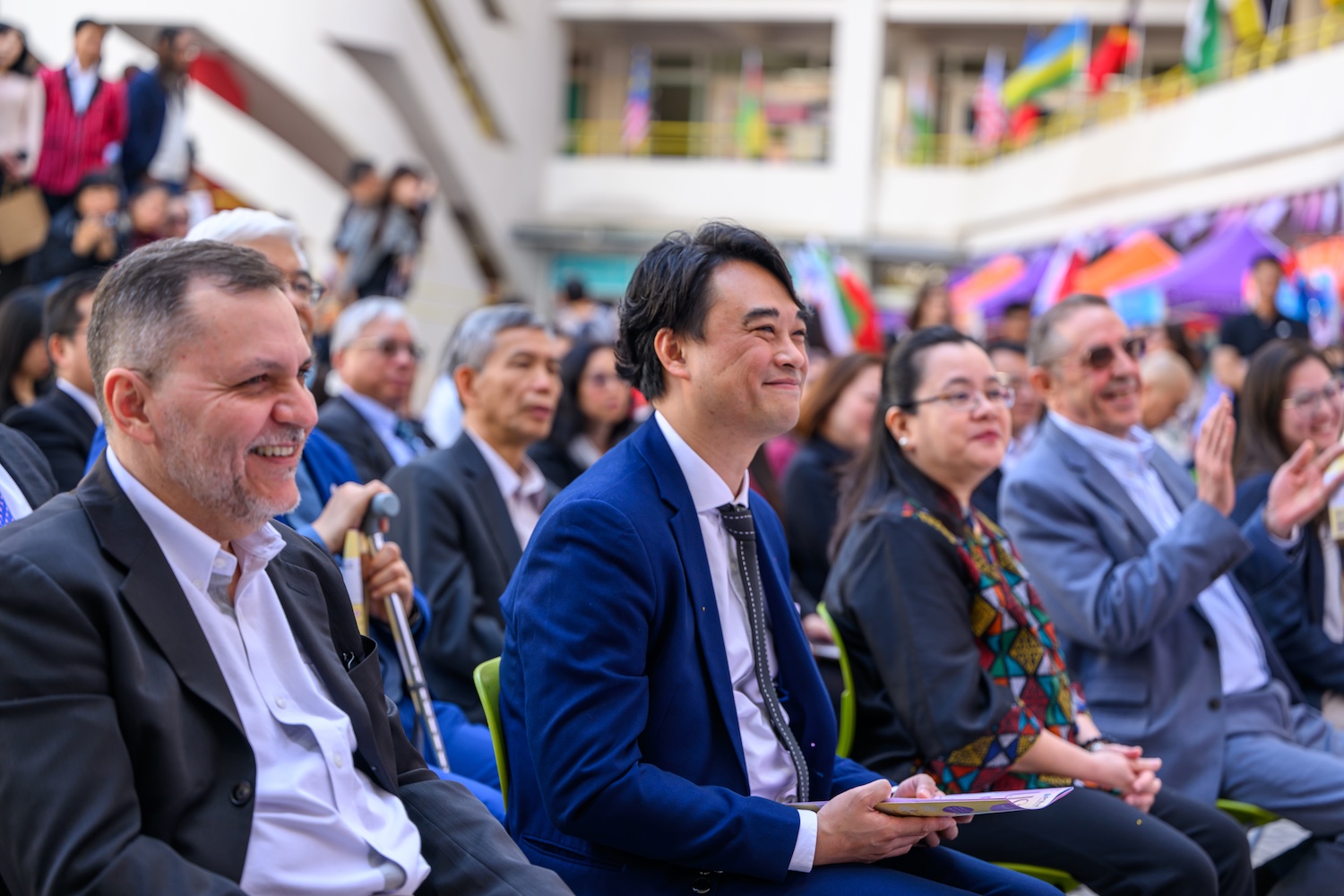
Distinguished guests present at the opening ceremony included Ms. Tam Sio Wa, Head of the Division of Tertiary Educational Cooperation and Exchange; Madam Edna May Lazaro, Consul General of the Philippines in Macau; Mr. Rodrigues Vitorino Muebe, Consul General of Mozambique in Macau; Mr. Cheong Kim Fong, Head of Section of Youth Concern Group of the Judiciary Police; along with representatives from the university and various sectors of the community.
In his opening address, Acting Rector of USJ Dr. Alejandro Salcedo, expressed sincere gratitude to all supporting units, sponsors, faculty, staff, students, and alumni for their dedication, emphasising that their contributions were vital to the event’s success. He noted that in an era of globalisation, facing shared challenges and opportunities, cultivating students’ global perspectives is of paramount importance. He highlighted USJ’s commitment to fostering an immersive, international learning environment where students from around the world learn from one another through daily interaction, developing empathy, adaptability, and respect for diverse cultures and values. He further remarked that the carnival also serves as a platform for members of the public interested in learning more about USJ’s programmes and campus life to engage directly with professors and students. The University hopes to continue using such events to strengthen the international atmosphere on campus and promote cross-cultural friendship and understanding.
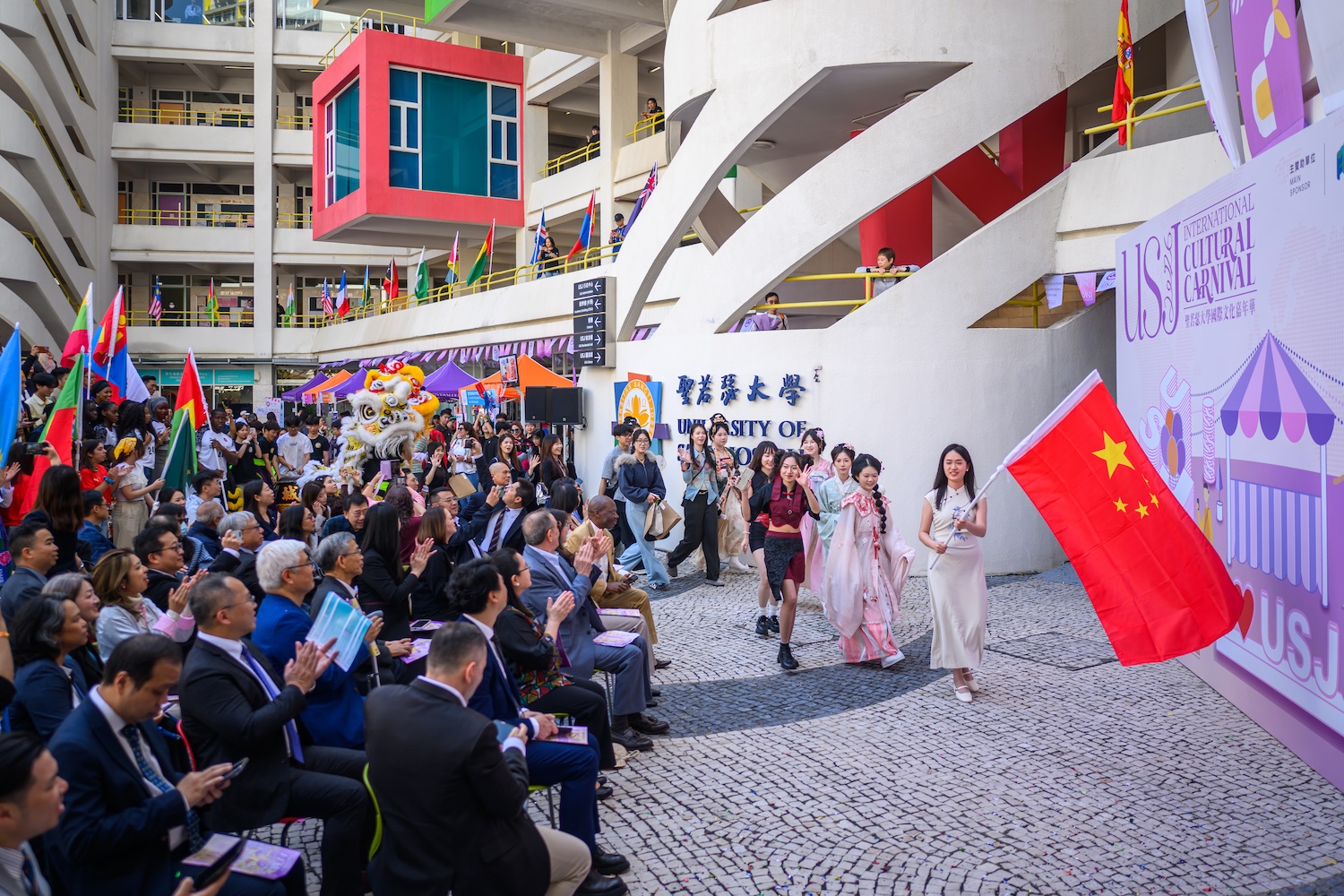
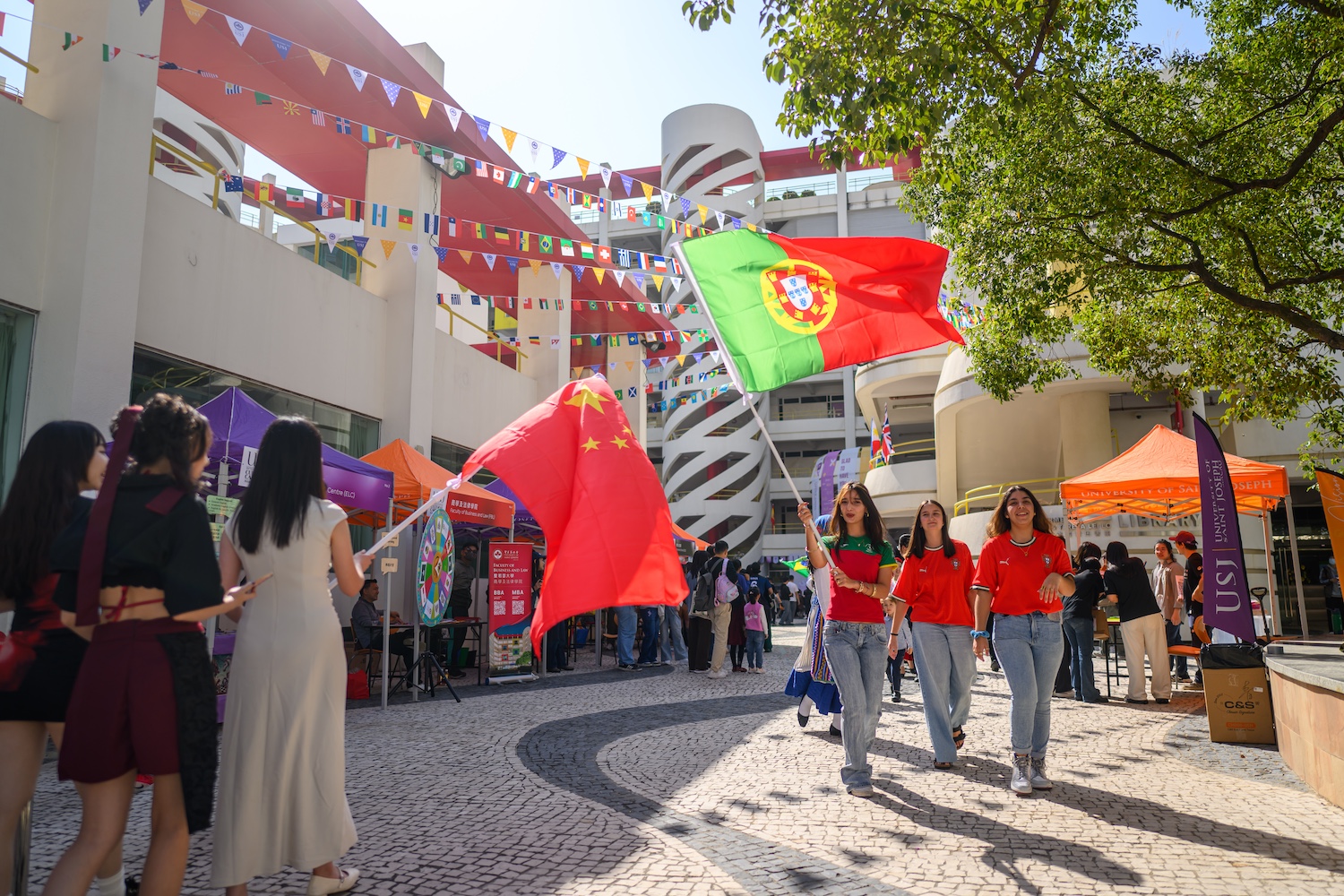
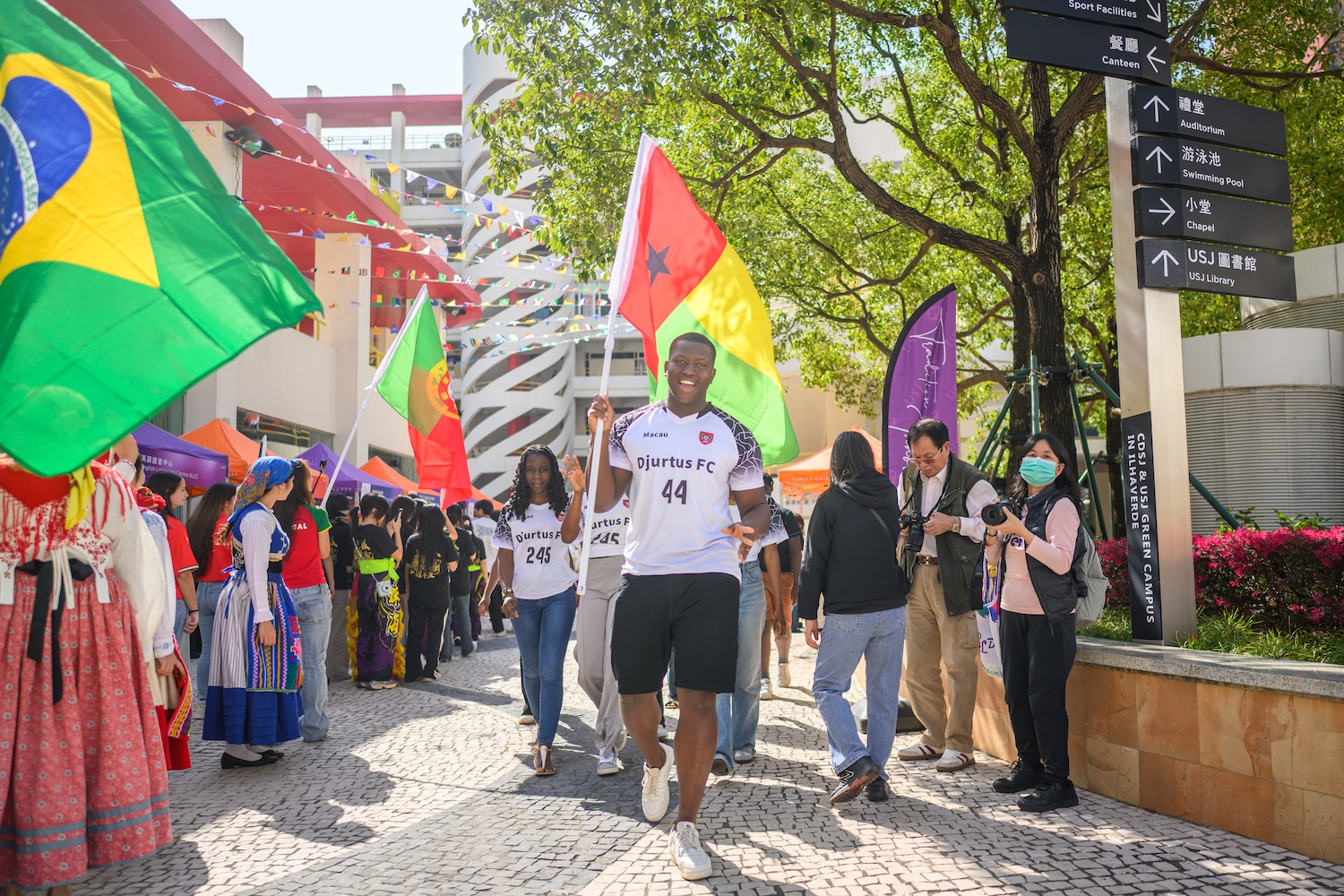
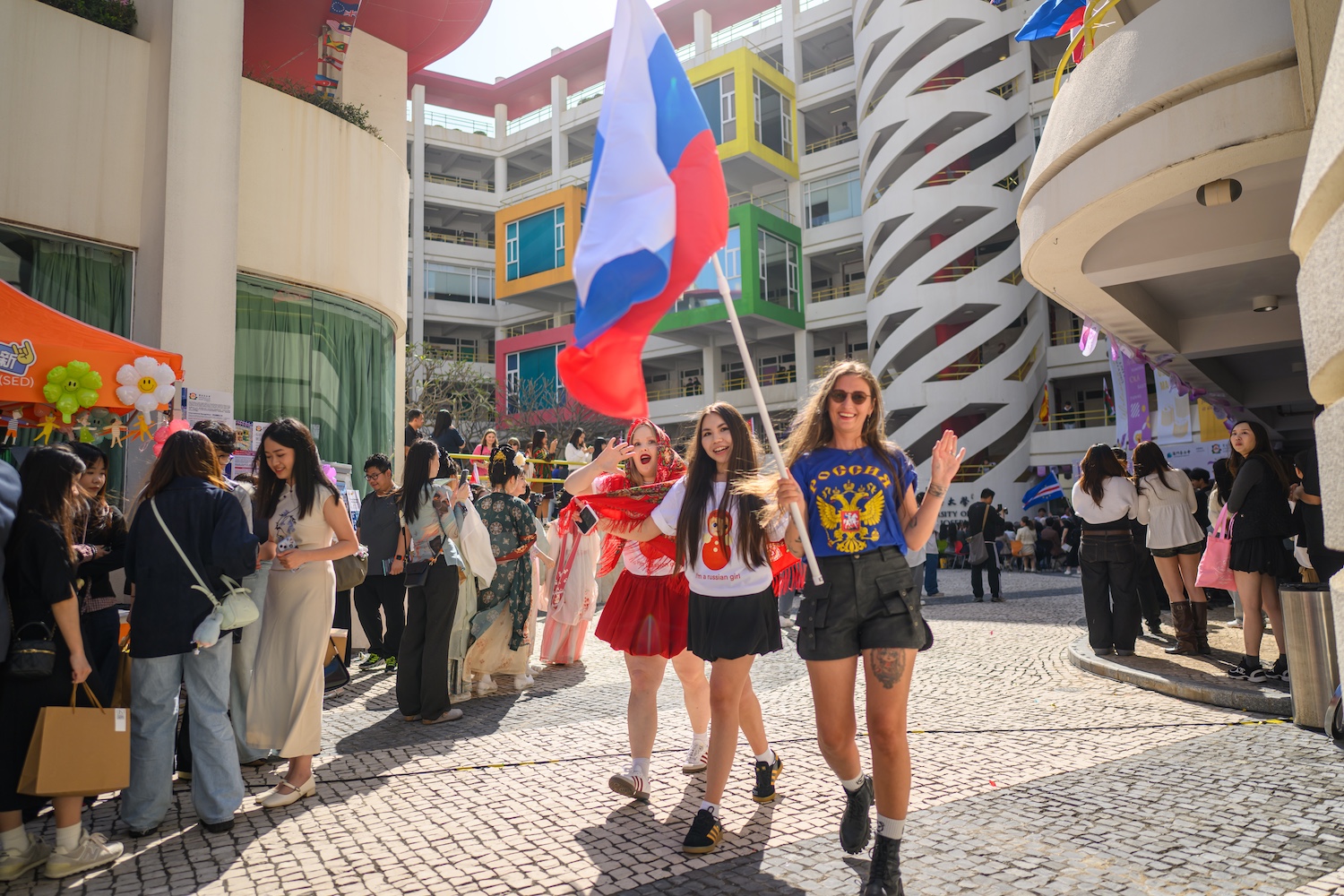
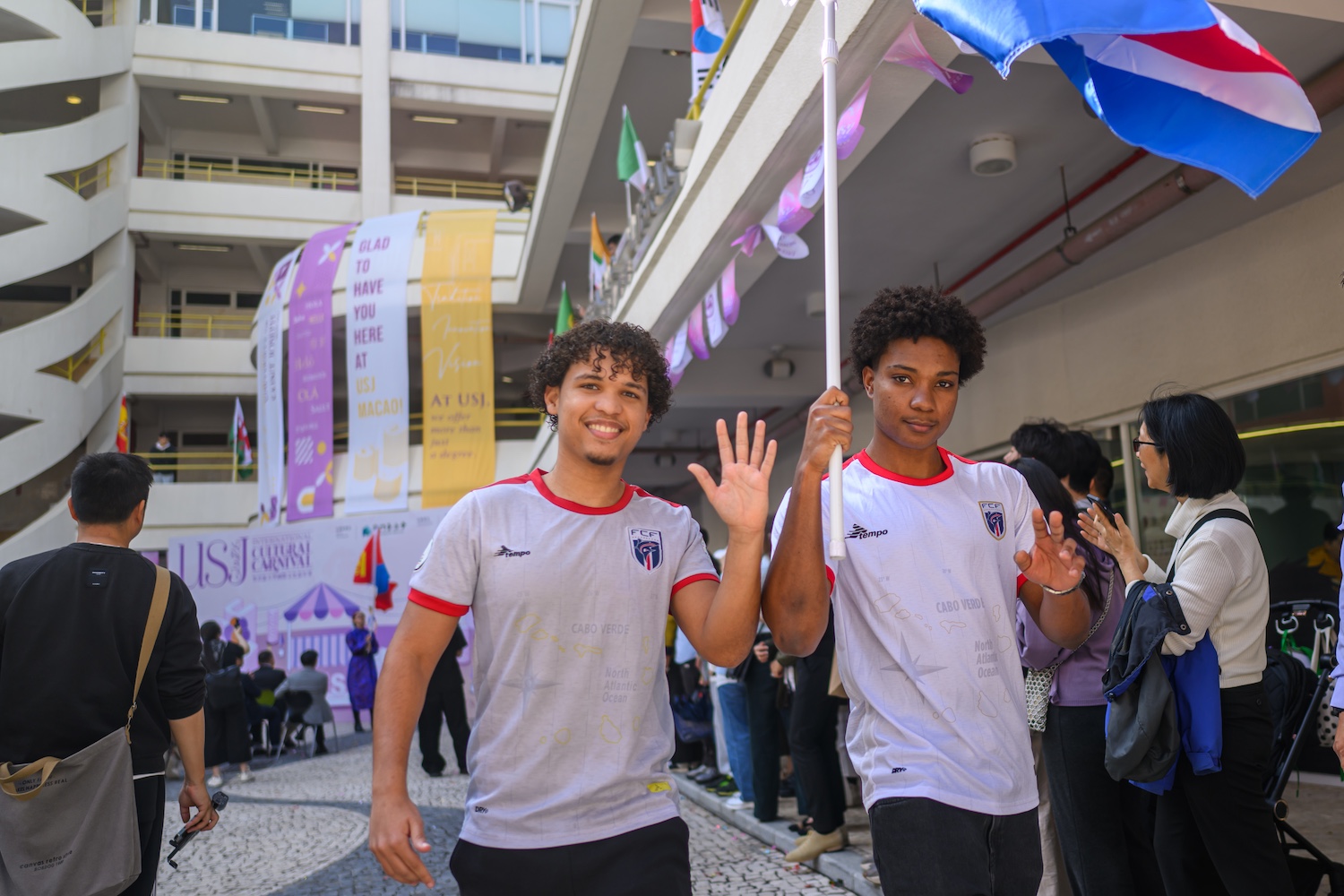
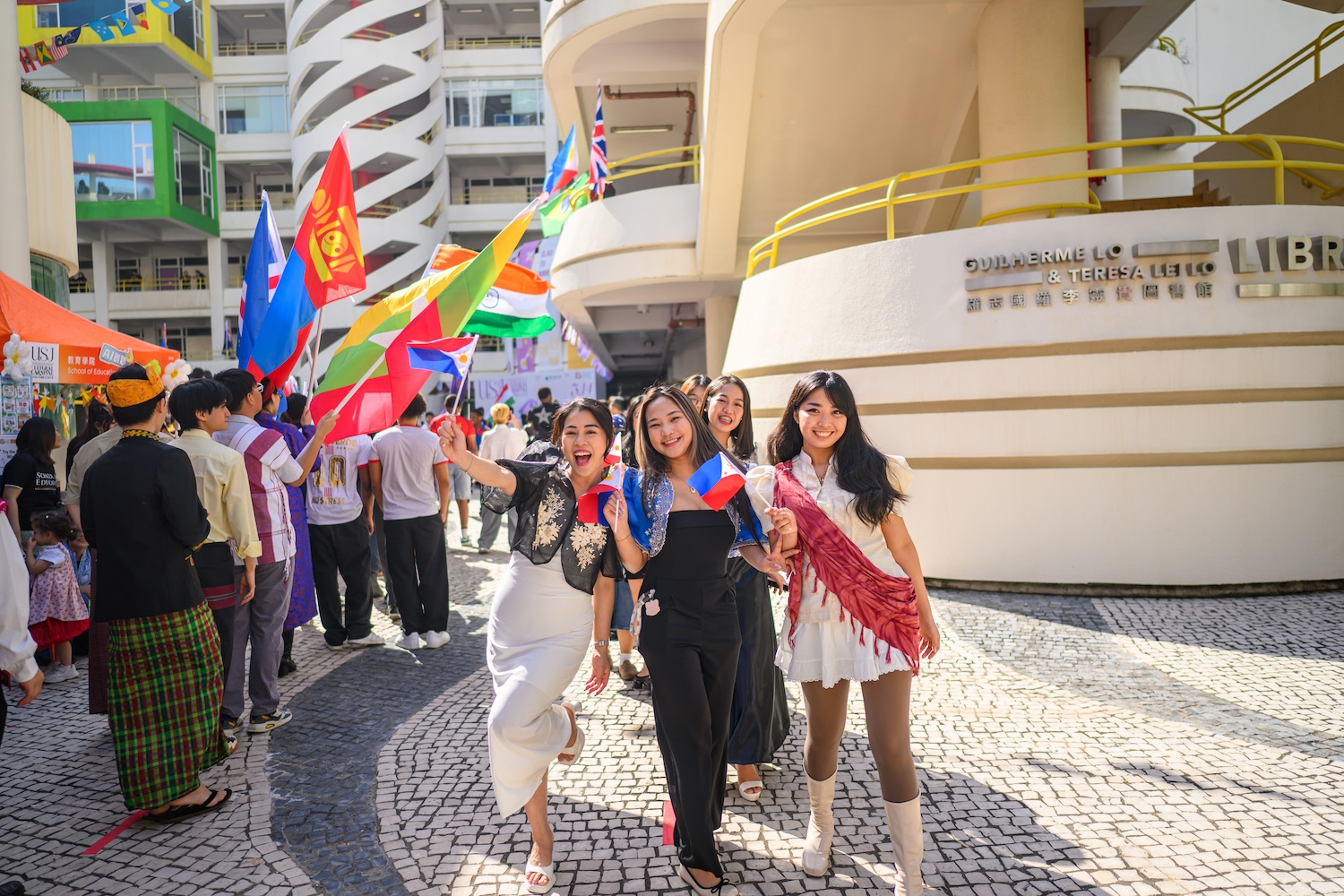
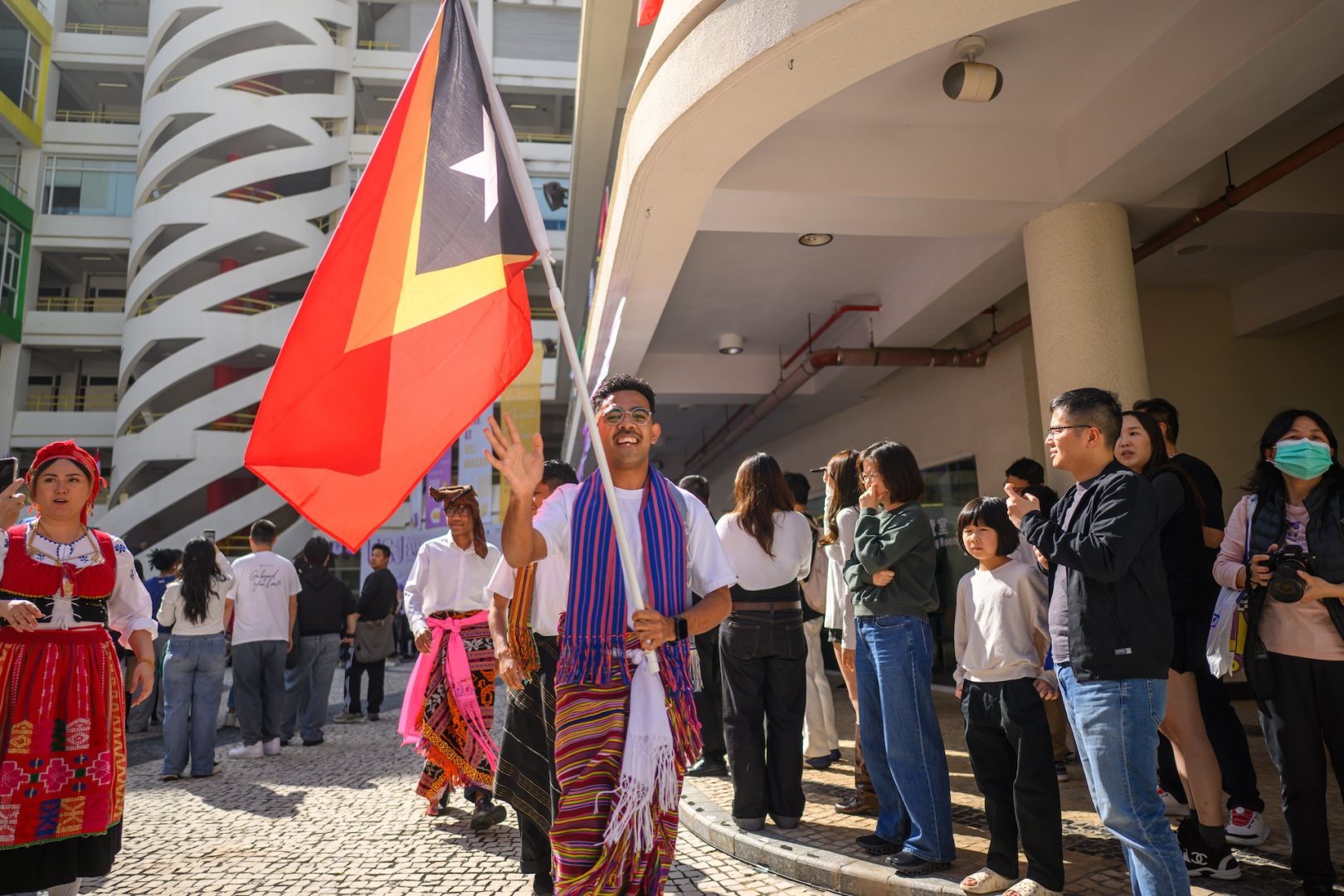
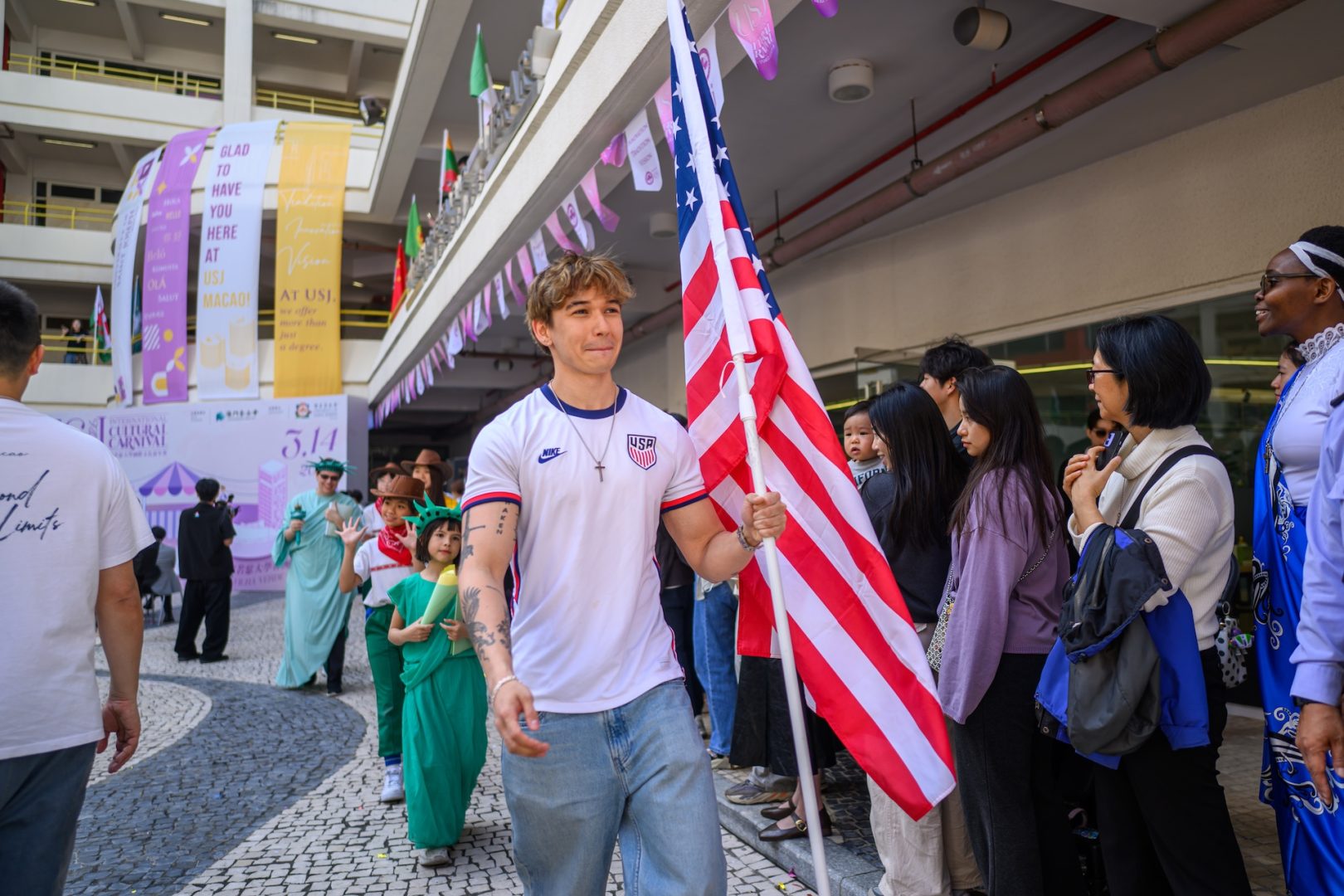
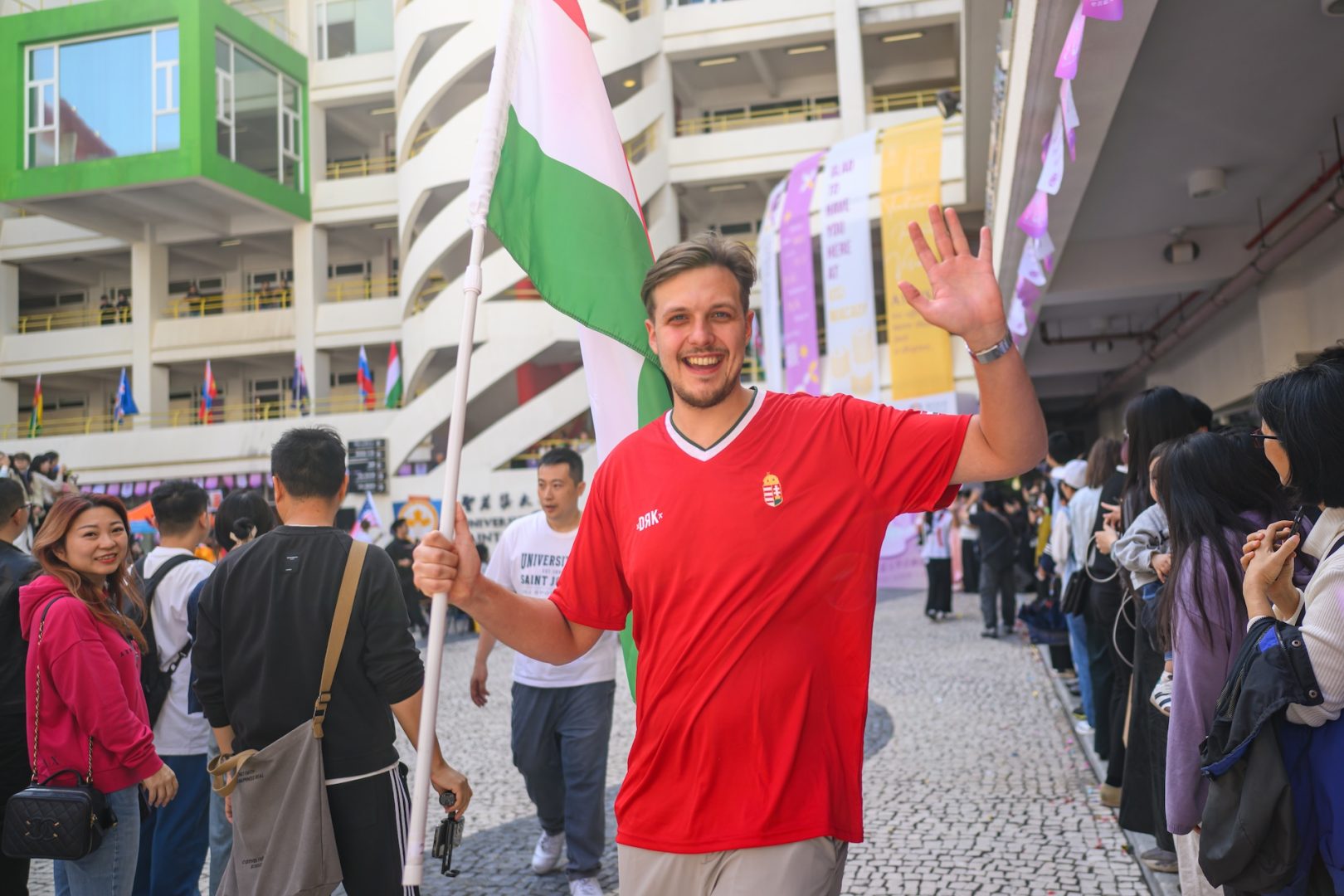
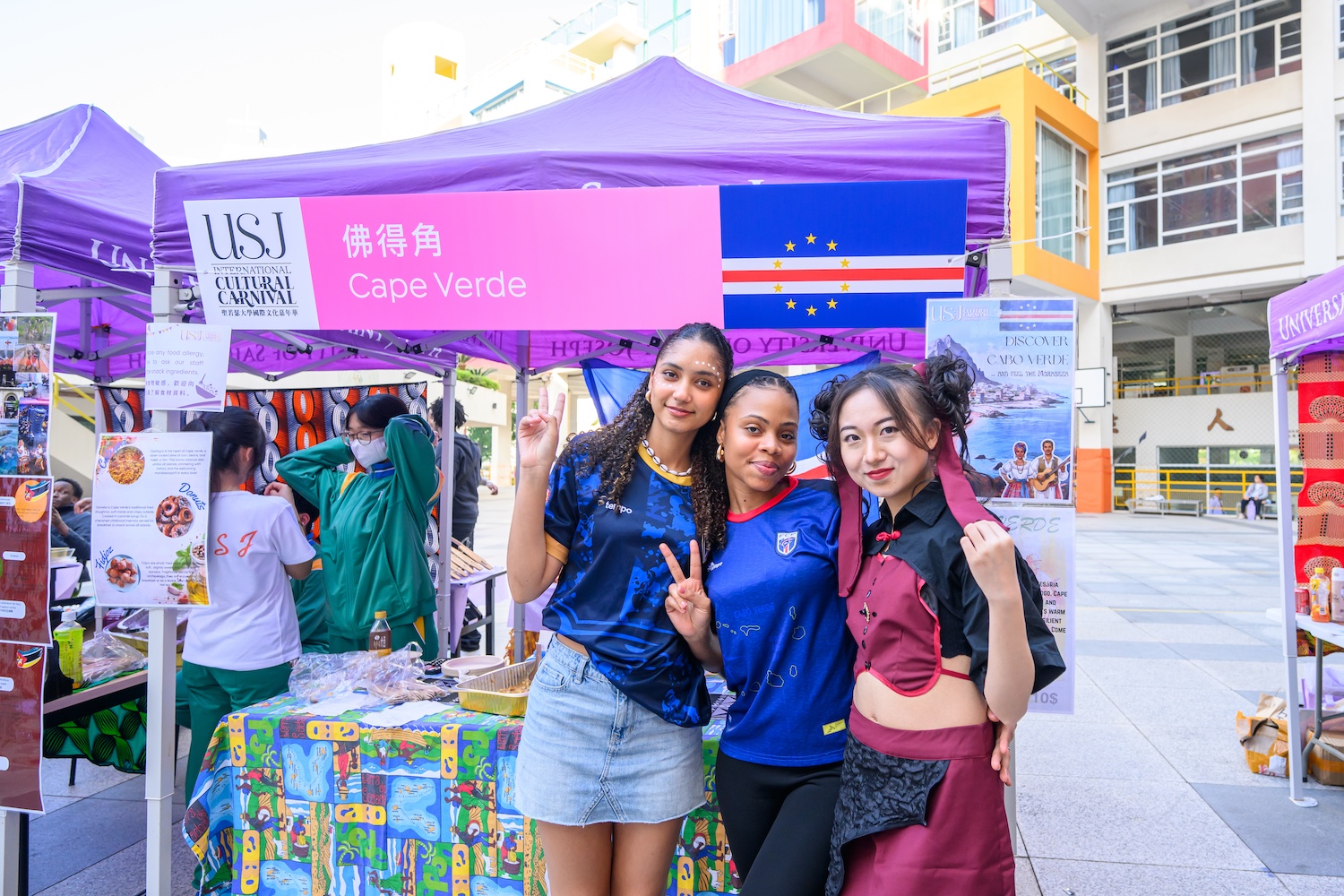
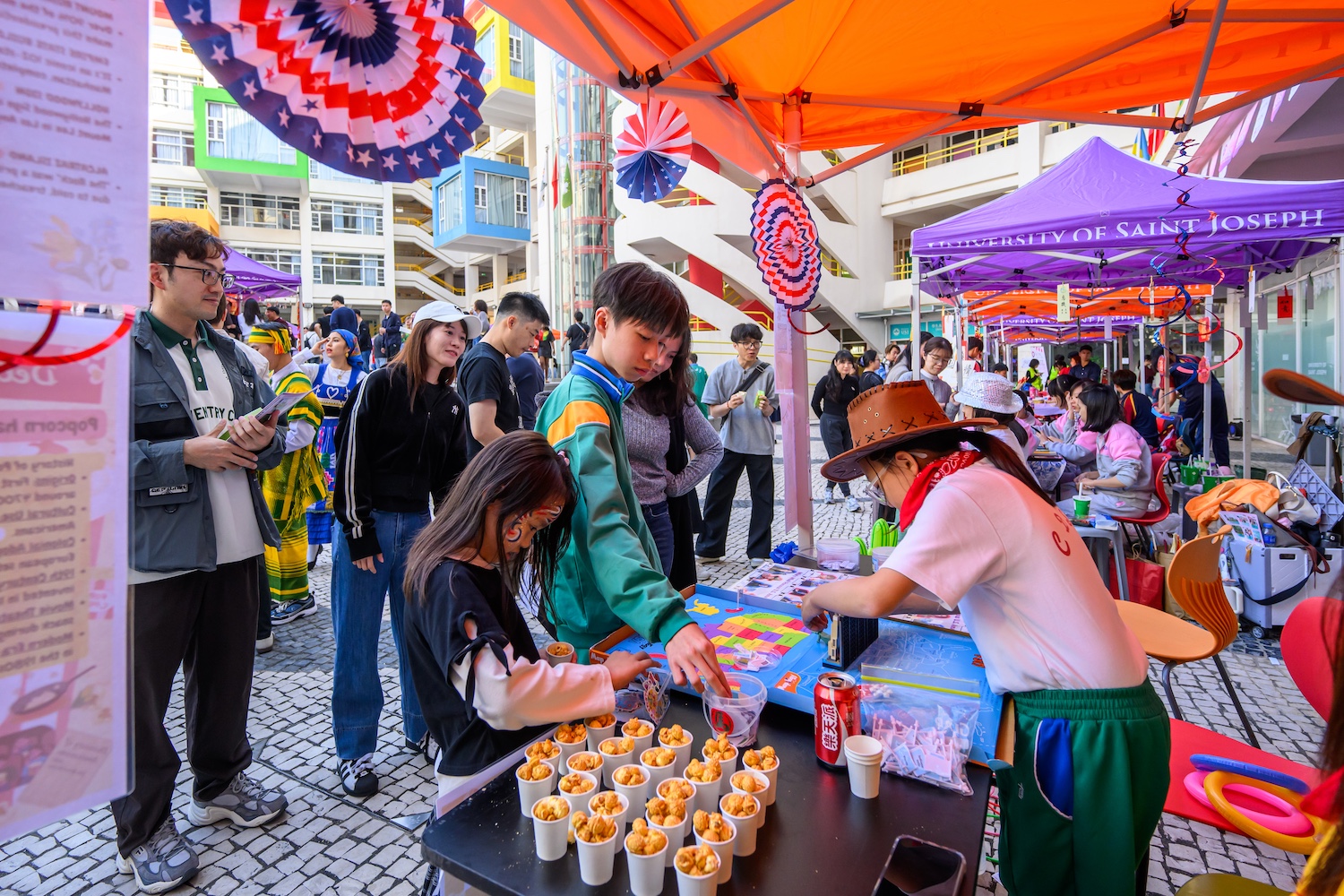
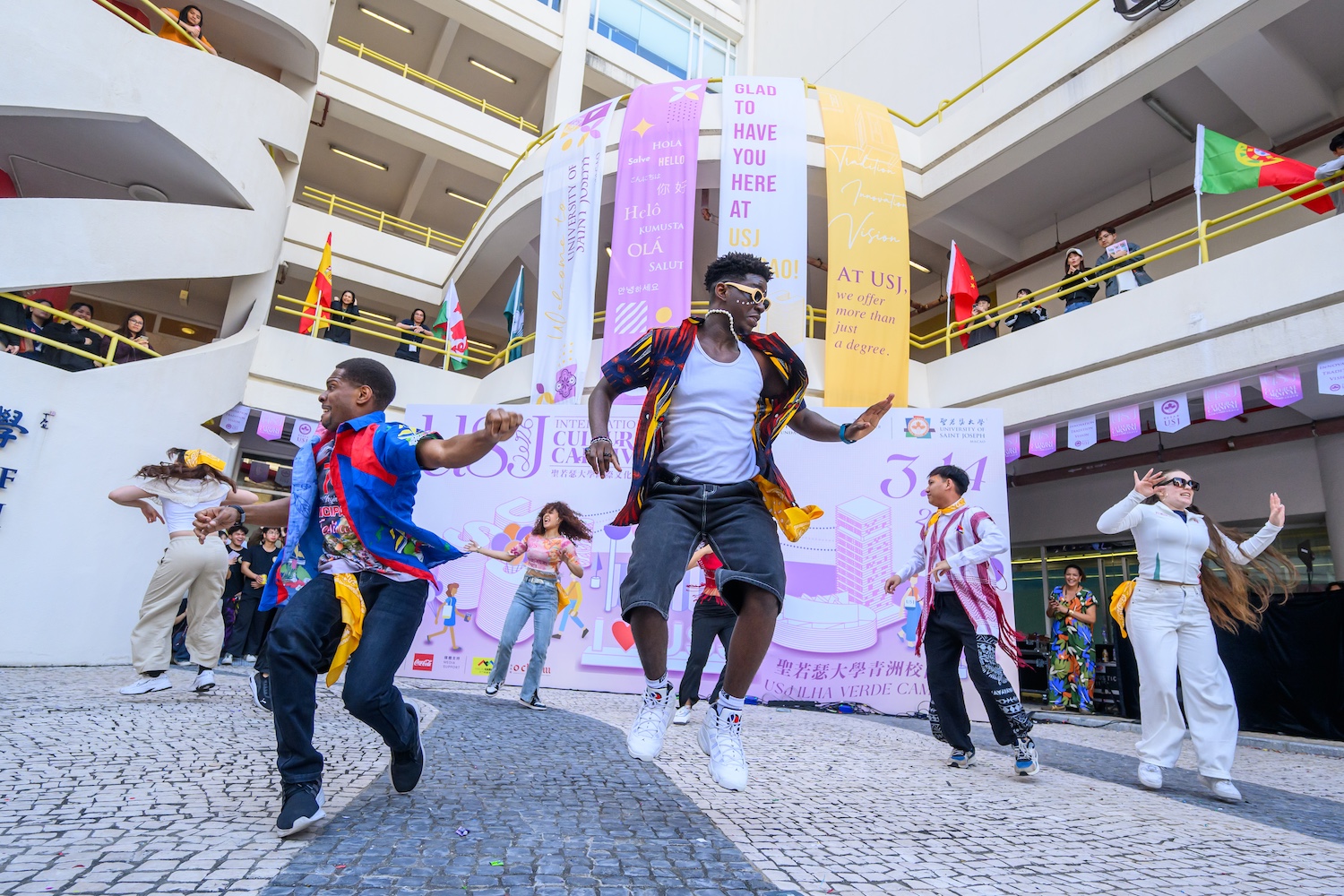
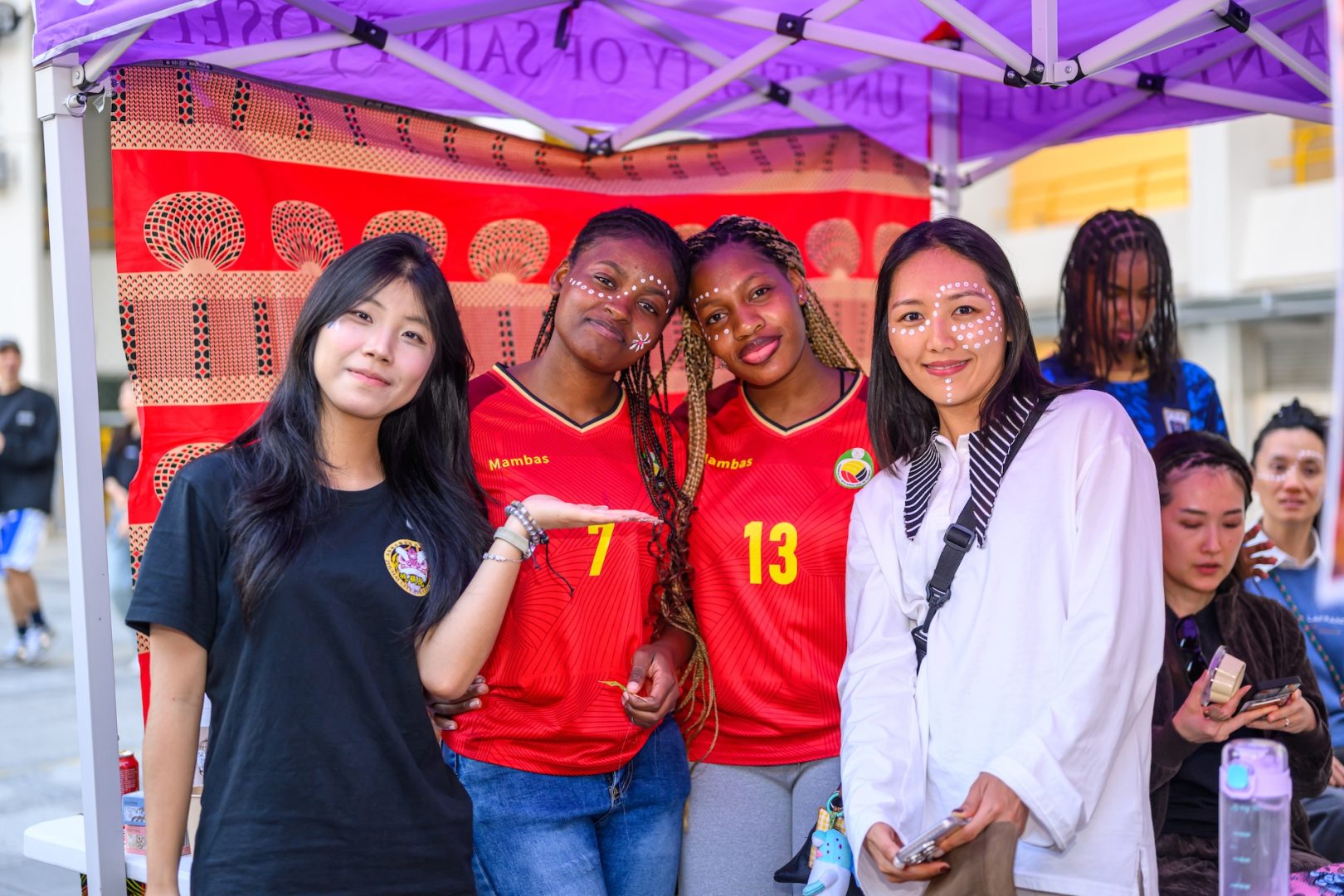
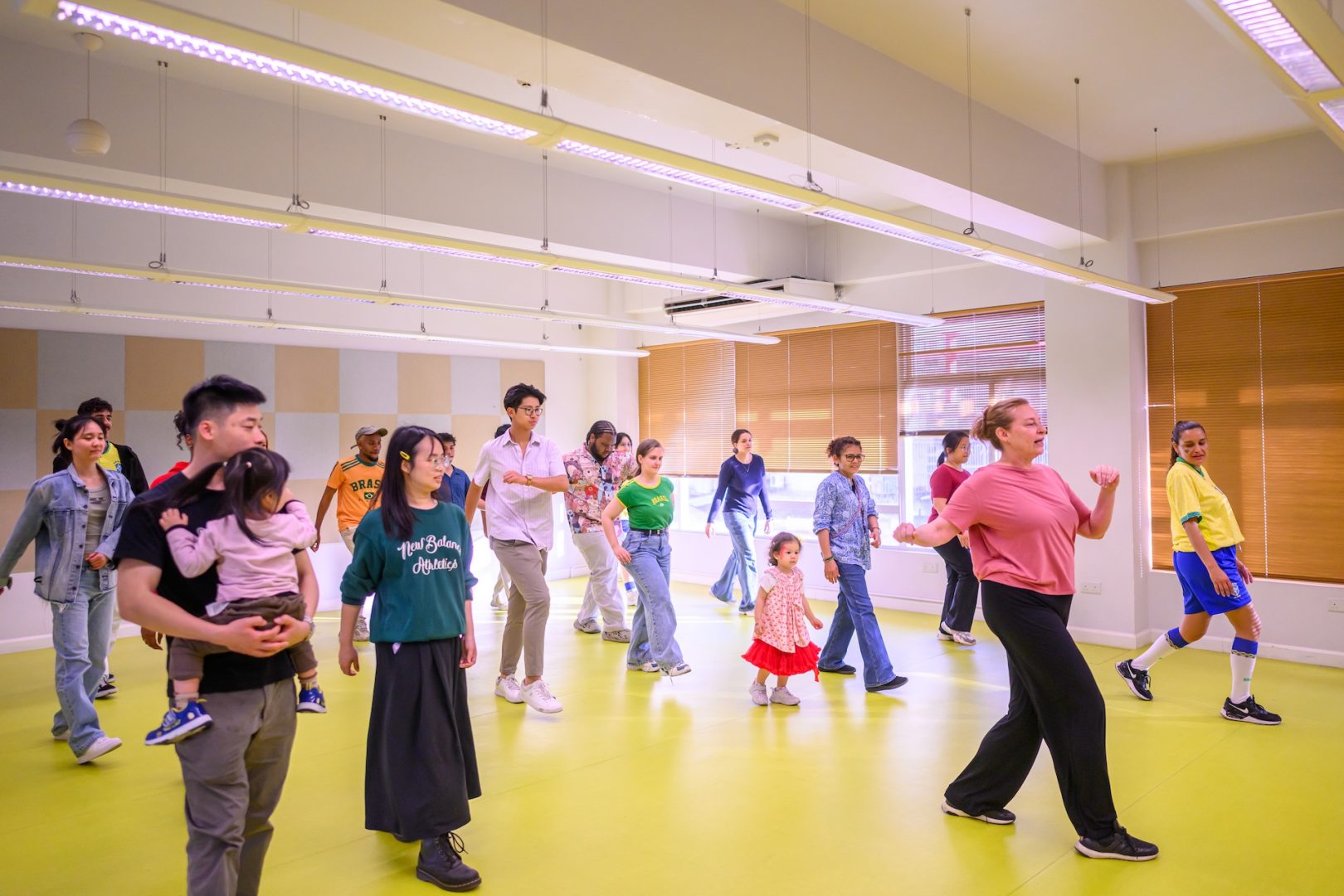
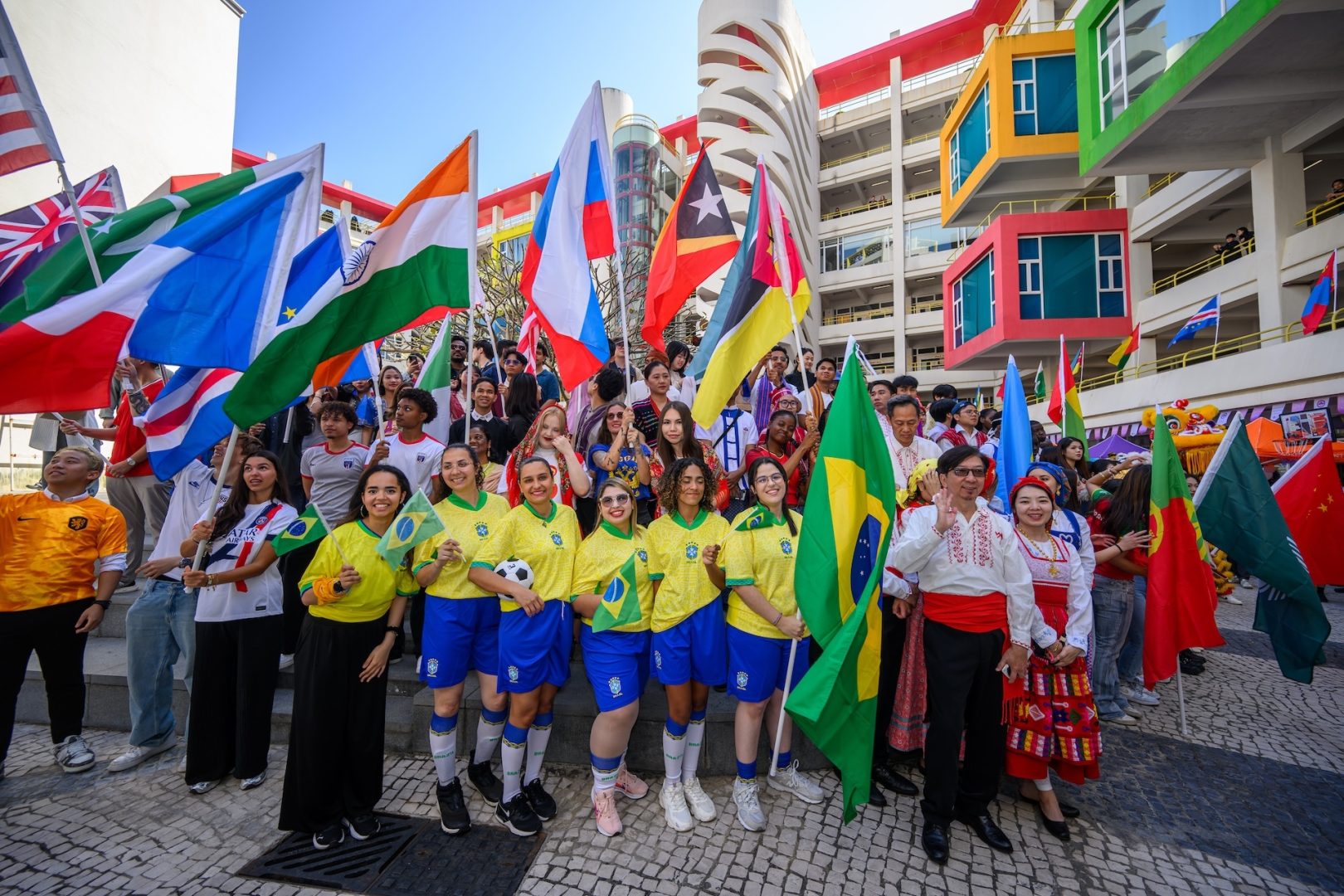
The opening ceremony featured a vibrant parade, where USJ students and staff from various countries proudly carried their national flags, officially launching the carnival. The day’s activities also included information booths for each academic faculty, environmental sustainability workshop, and an array of food and game stalls. The culinary and cultural offerings represented a wide range of countries and regions, including China, Macao, Portugal, Brazil, the Philippines, Angola, Mozambique, Guinea-Bissau, Cape Verde, Timor-Leste, Myanmar, South Korea, and Russia. Staff and students proudly represented their home nations, sharing traditional foods, games, and interactive cultural experiences.
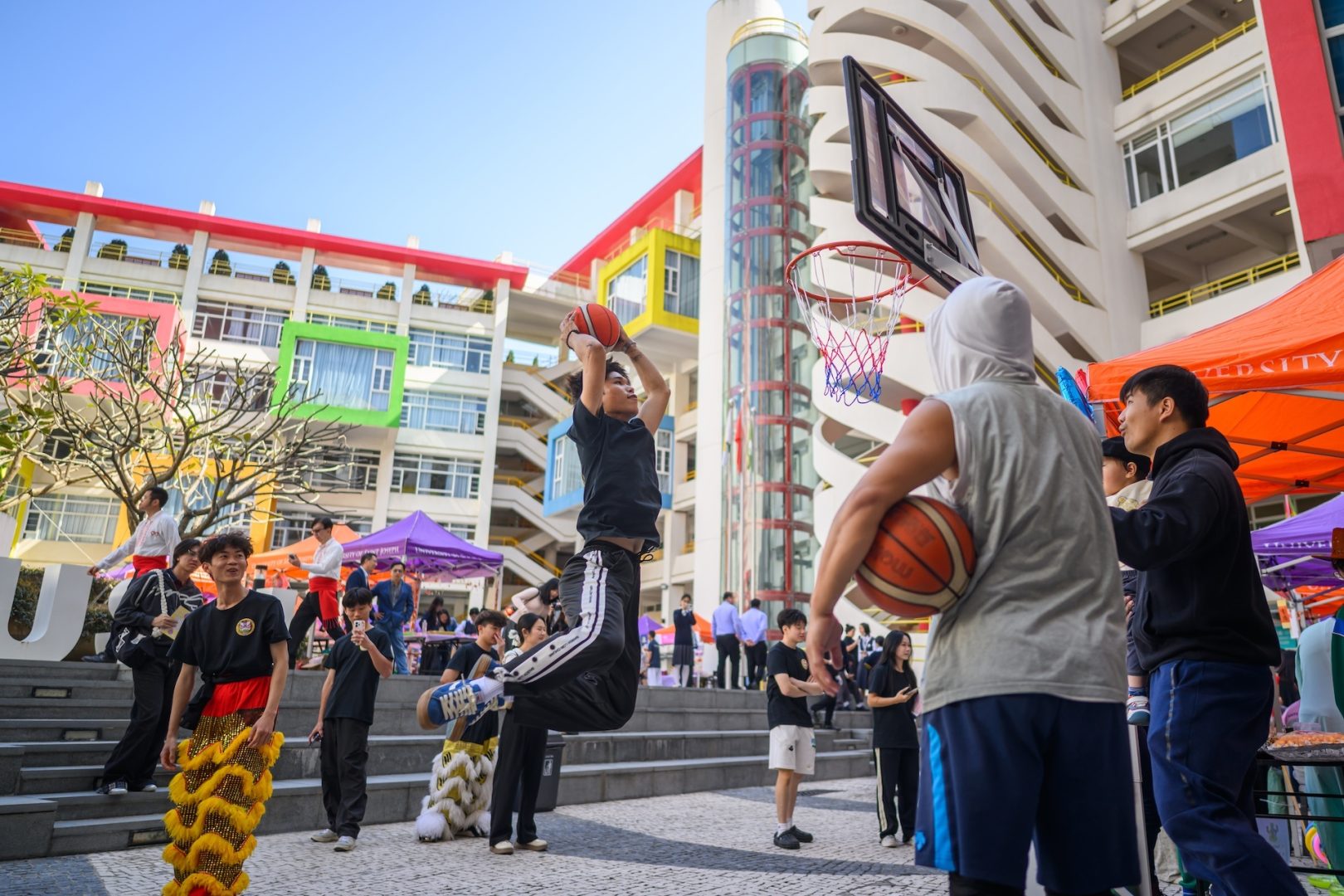
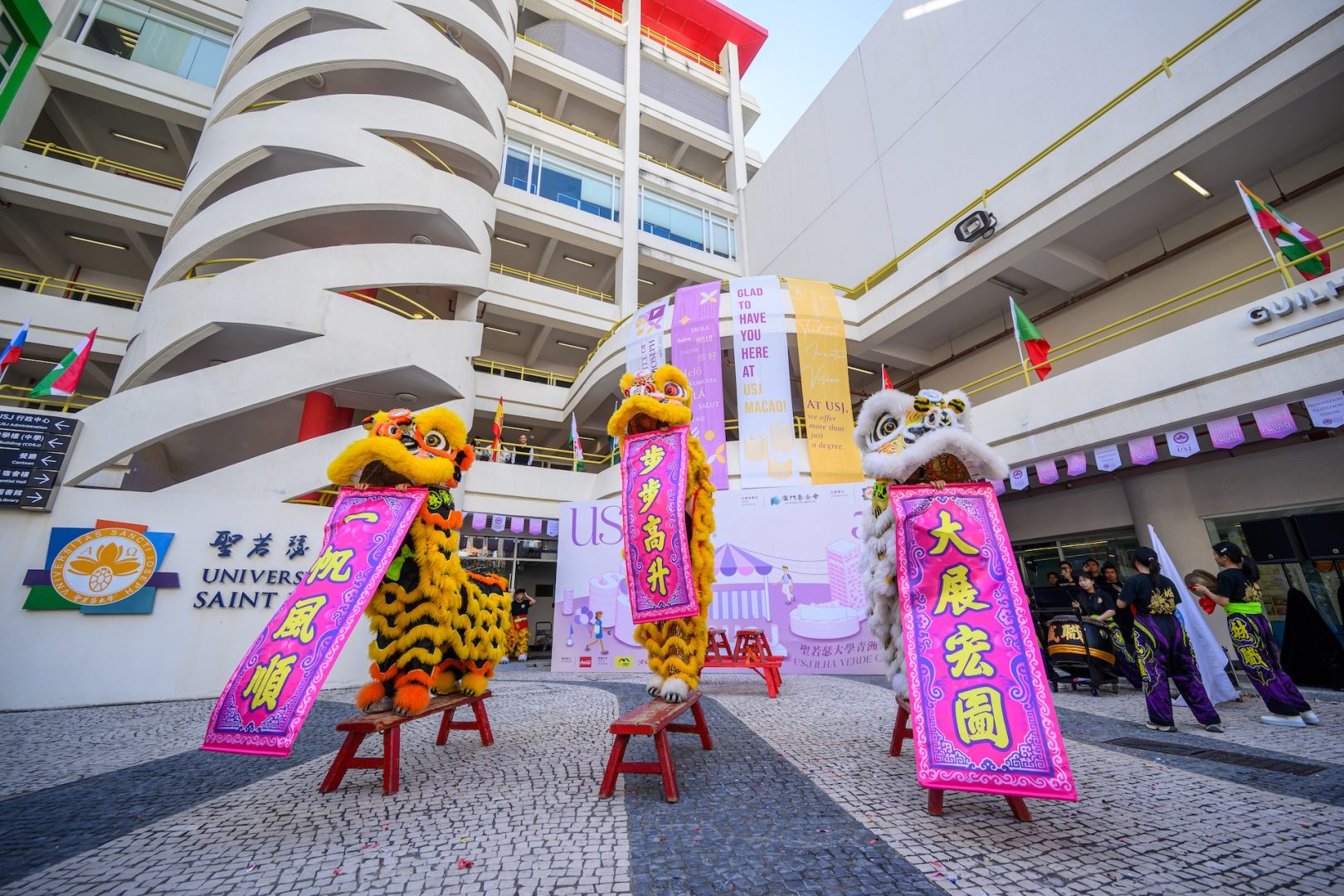
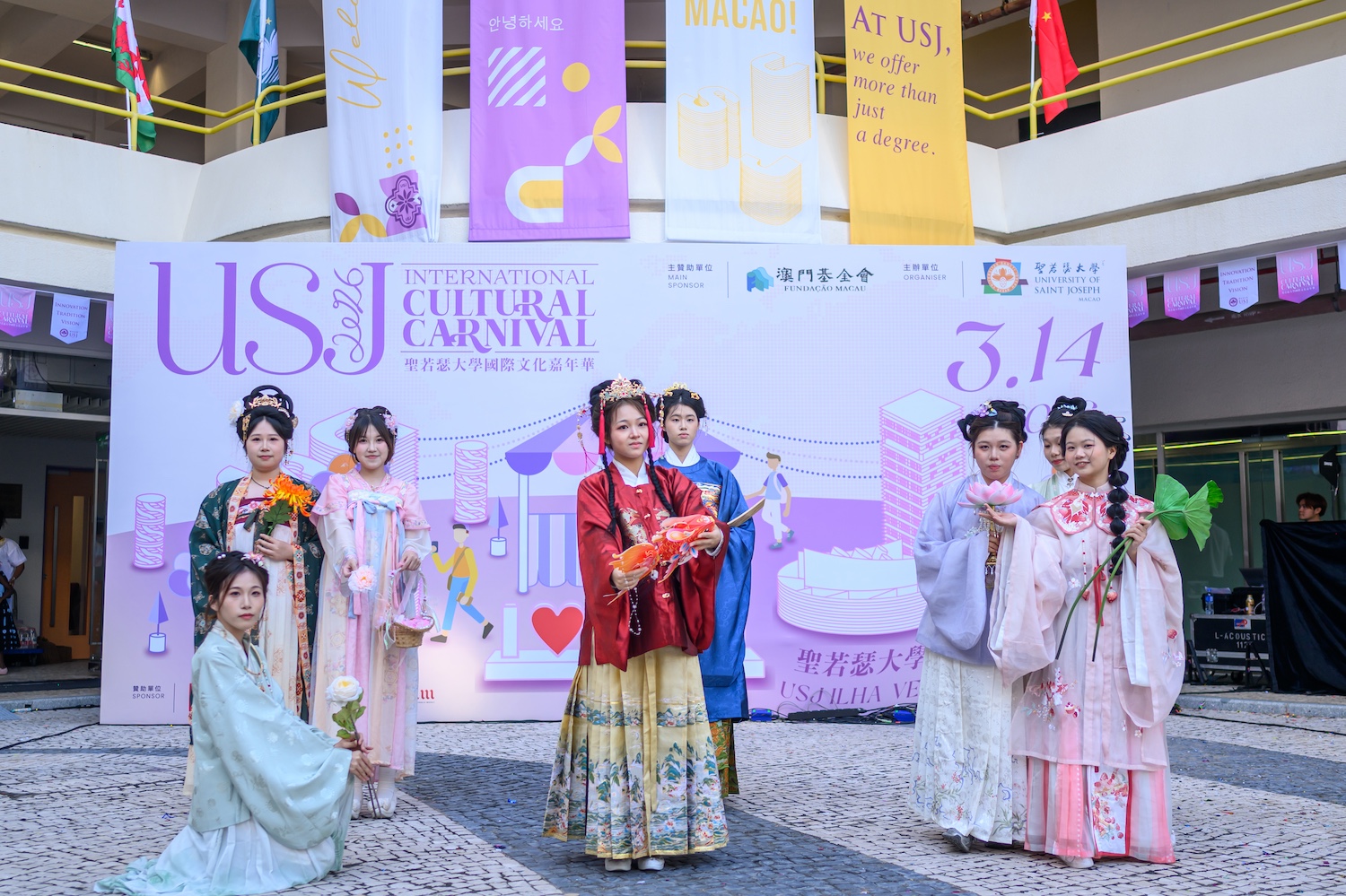
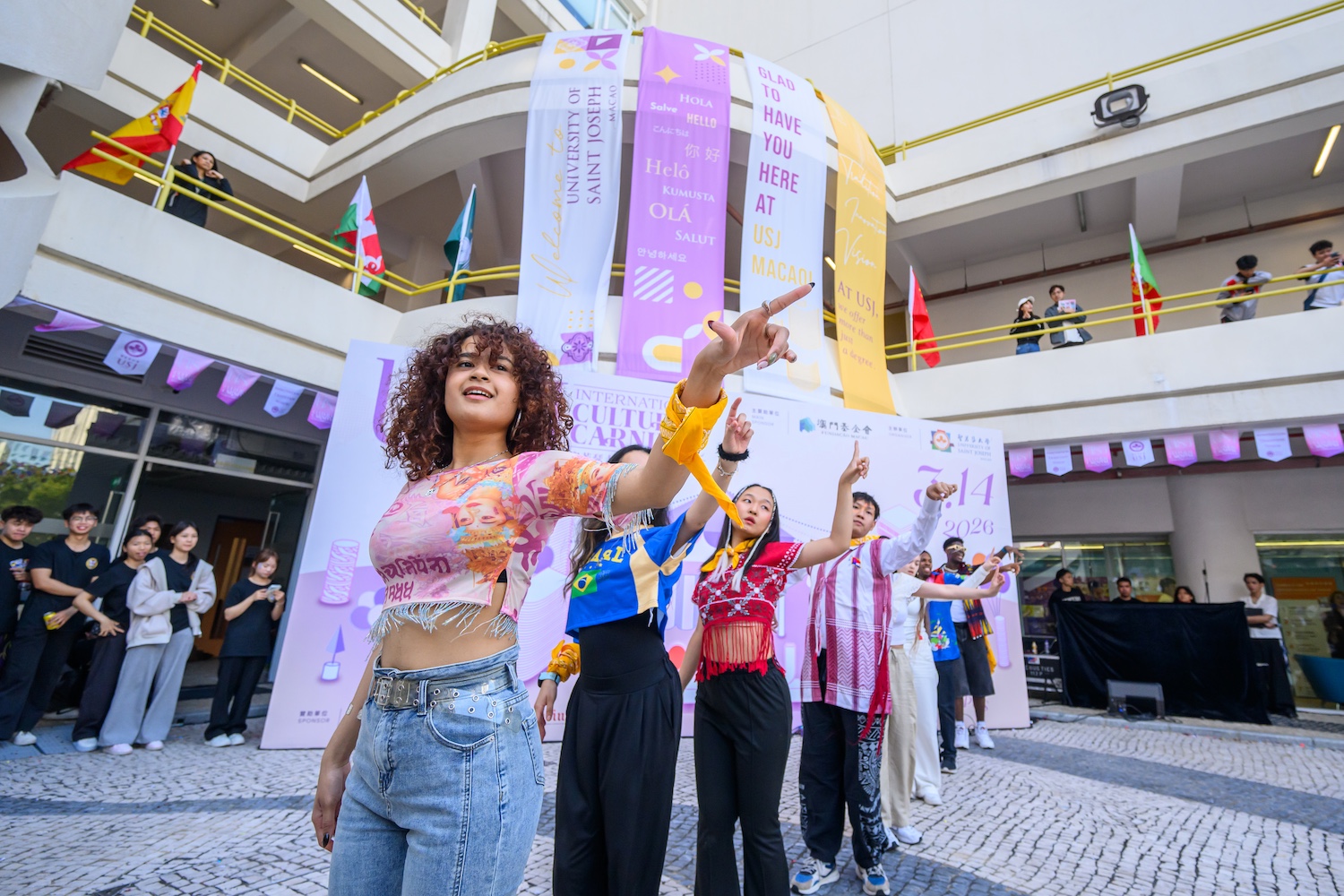
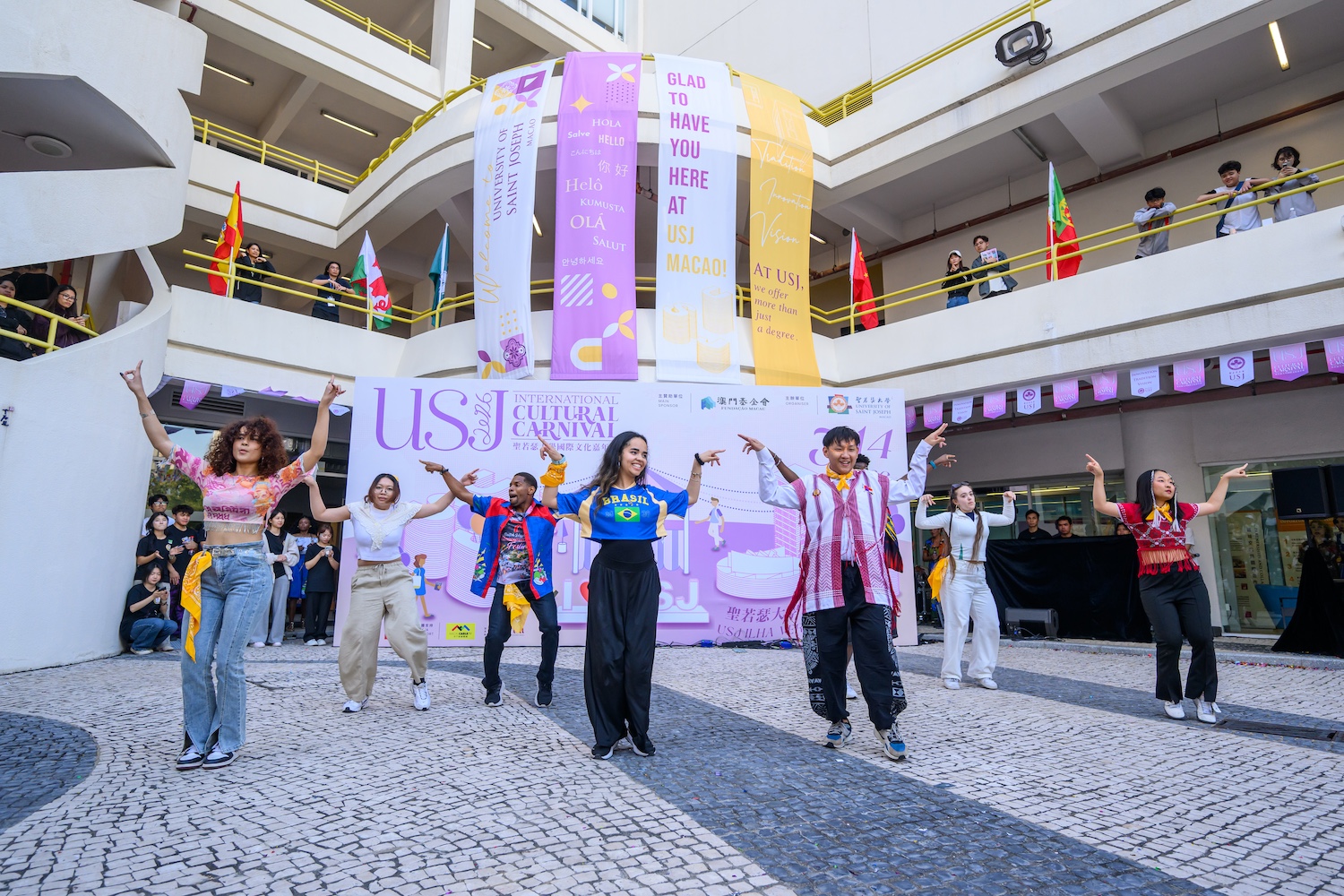
The event also featured a vibrant lineup of performances, including lion dances, an African fashion show, and performances by USJ Music Club, student bands, the Our Lady of Fatima Girls’ School Band, and Brazilian singer Jandira Silva, showcasing multicultural charm and allowing the public to experience the allure of transnational cultures.
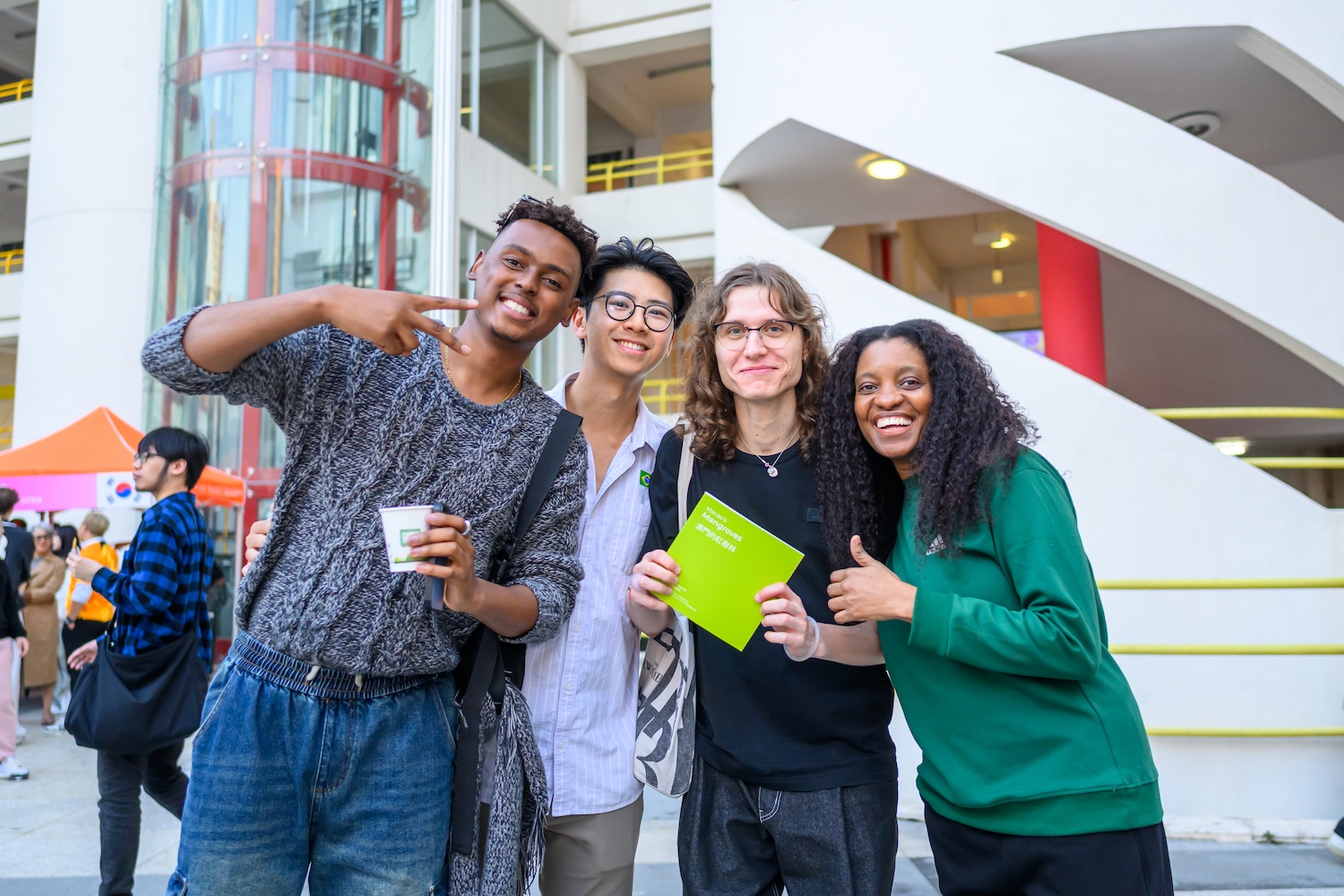
Beyond performances was an immersive mangrove reading room presented by the Institute of Science and Environment (ISE) of USJ in collaboration with the DFLab (Digital Fabrication Laboratory) of the Faculty of Arts and Humanities. This installation transformed scientific research into tactile art, utilizing artificial intelligence and 3D printing technology to render the invisible genetic sequences of local mangroves tangible. It creates what artists call “Guardians”, allowing participants to explore Macao’s wetland flora and fauna through the installation and gain insights into green ecology.