USJ Vice-Rector Dr. Teresa Loong invited to attend Europe Forum of the World Women University Presidents Forum

USJ Vice-Rector Dr. Teresa Loong invited to attend Europe Forum of the World Women University Presidents Forum
09
Oct
09/10/2025
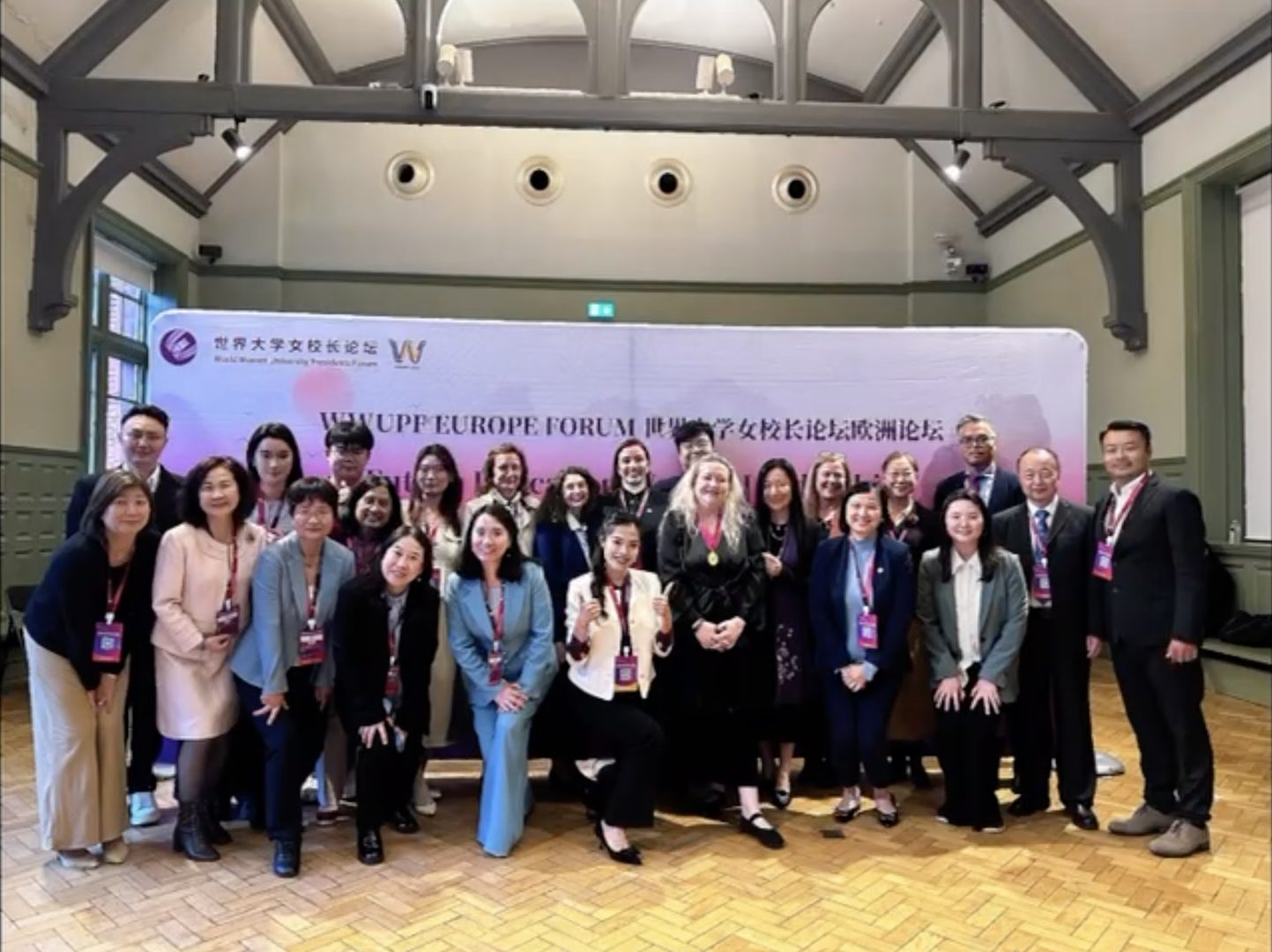
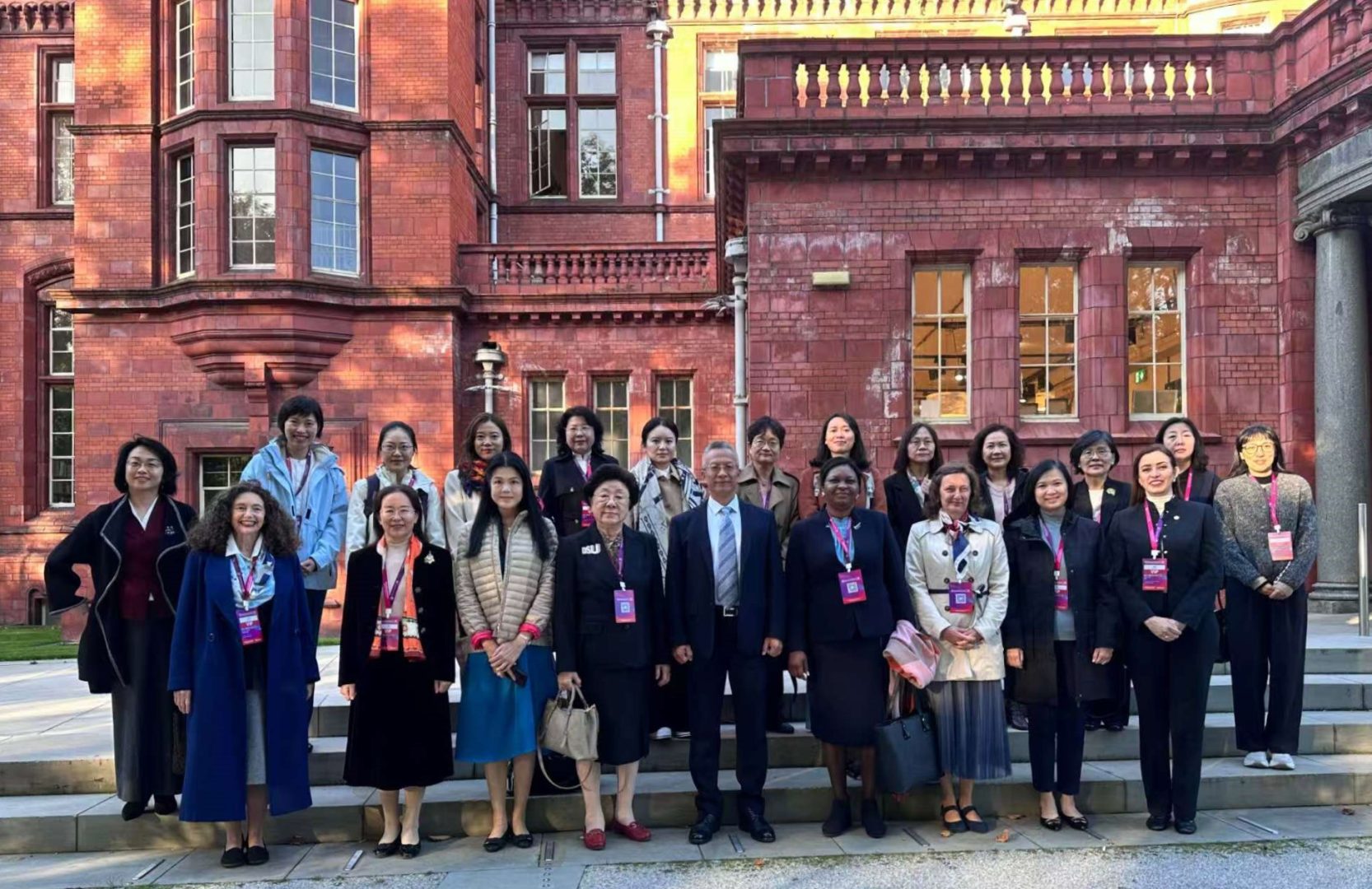
This year’s World Women University Presidents Forum (WWUPF) Europe Forum in Manchester, entitled ‘Future Education and Women’s Leadership’, has invited over one hundred distinguished guests including university presidents and experts from around 30 regions.
The World Women University Presidents Forum (WWUPF) Europe Forum was held over three days at the University of Manchester from 25 to 27 September 2025. This year’s forum, entitled “Future Education and Women’s Leadership”, had over a hundred guests attending including university presidents and experts from more than thirty countries and regions worldwide.
Dr. Teresa Loong, Vice-Rector for Student Life of the University of Saint Joseph (USJ) Macao, was invited to attend the event and delivered a presentation titled “Being the Bridge: Our DNA, Our Duty” which explored the unique role and successful practices of higher education institutions in promoting the connection between Europe and Asia.

The Importance of recognising and celebrating the unique DNA of an institution
Dr. Loong emphasized that understanding one’s own heritage can foster meaningful dialogues between Europe and Asia. Using USJ as an example, she noted that Macao has been a living bridge between East and West for centuries. Situated at the intersection of China, Portugal, and the Portuguese-speaking world, USJ possesses an inherent and distinctive advantage. This unique identity has driven USJ’s internationalisation efforts, which include nearly 187 mobility protocols and 236 cooperation agreements with higher education institutions worldwide. As a result, approximately 31% of its student body consists of international students, creating valuable exchange opportunities for both faculty and students.
Leveraging Government Initiatives to Enhance Global Connectivity
In her presentation, she further pointed out that the supportive policies of the Macao government are crucial for enhancing global connections. The Macao SAR government has been committed to connecting local universities with the world through mechanisms such as the Forum for Economic and Trade Cooperation between China and Portuguese-speaking Countries (Macao) and the China-Portuguese-speaking Countries Cooperation and Development Fund. Meanwhile, the Macao Science and Technology Development Fund (FDCT) has also established special funding to encourage tripartite joint research among China, Macao, and European countries, as well as academic conferences on Euro-Asian themes. Initiatives such as “one-stop service” have significantly streamlined administrative processes for international scholars and students.
Embracing Our Roles as Global Ambassadors
She further elaborated on how members of the university community can act as ambassadors to jointly promote Euro-Asian dialogue, quoting USJ as an example who is the Executive Secretariat of the Association of Southeast and East Asian Catholic Colleges and Universities (ASEACCU) and member of the International Federation of Catholic Universities (IFCU), and with USJ’s Rector serving as the Vice-President of its Administrative Board, fostering global dialogue between Asian and European universities. She urged leaders in key positions to serve as this bridge.
She further quoted USJ’s faculty as an example, she noted that academic staff serve as engines of dialogue, building resilient partnerships through collaborative research, co-publications, and other concrete actions. Meanwhile, through daily operations, such as the effective networking of the USJ’s International Affairs Office, cooperation bridges are built. She emphasised that USJ’s students and faculty, hailing from over 40 countries, as well as various exchange programmes, naturally act as cultural ambassadors, fostering mutual understanding through exchange and immersion, thereby building bridges. She quoted the remarks from Prof Nancy Rothwell, as women leaders, we can be a good listener (to our students and staff) and be a gentle force for change in our communities.
This year, WWUPF 2025 focused on the theme “Future Education•Women Leadership”, with three parallel forum sessions: Europe-Asia Dialogue in Higher Education, Women Leadership in Multicultural Context, Future Education: Humans and Technology. The forum brought together experts and scholars from the political, academic, and business sectors worldwide. The delegates engaged in in-depth discussions on relevant topics and reached a significant consensus on the future direction of the Forum.