USJ Macao Observatory for Social Development Jointly Releases Career Adaptability Study Advocating for Systematic Career Planning Education
USJ Macao Observatory for Social Development Jointly Releases Career Adaptability Study Advocating for Systematic Career Planning Education
06
Feb
06/02/2026
The study, focusing on professionals with formal qualifications, found that both career adaptability and social mobility opportunities are equally crucial for talent retention and development.
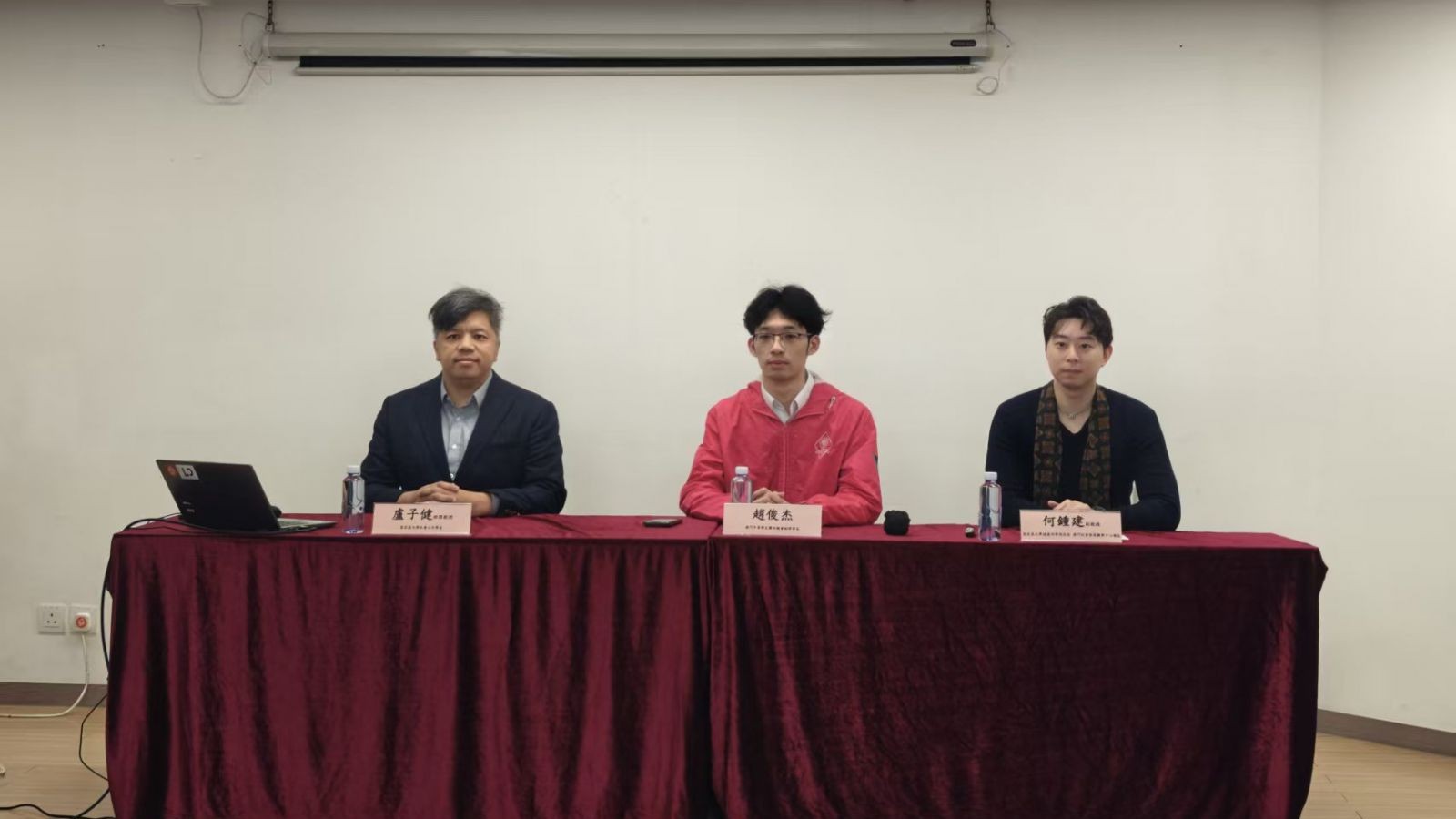
The research report “A Study on the Adaptability of Career Interest Theory in Macao“, conducted by the Macao Observatory for Social Development (MOSD) of the University of Saint Joseph (USJ) and organized by the General Association of Chinese Students of Macao, was officially released. The study, focusing on professionals with formal qualifications, found that both career adaptability and social mobility opportunities are equally crucial for talent retention and development.
This research targeted practitioners in registered professions in Macao, successfully collecting 308 valid questionnaires. The results revealed that a significant 45.5% of surveyed professionals have considered a career change due to unclear prospects. However, 62.4% of those individuals feel they lack the necessary conditions to make such a transition. This indicates that even when personal interests align with one’s profession, a lack of clear upward mobility paths can lead professionals into “career confusion”, affecting the stability and development of societal human resources.
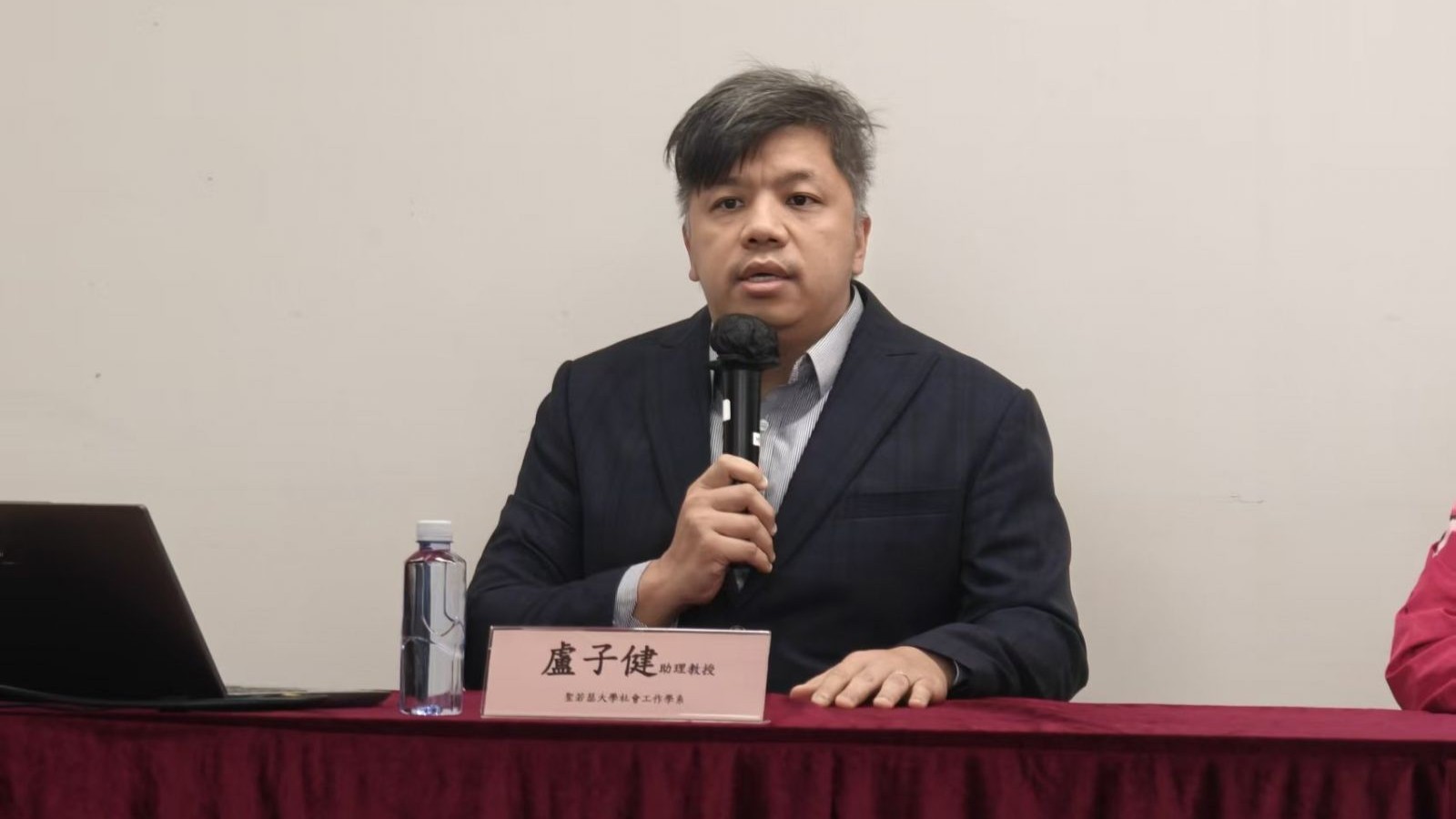
The project coordinator, Dr. Jayson Lou from the USJ’s Department of Social Work, pointed out that the data proves using scientific career interest assessment tools to support secondary school students in their subject choices can effectively enhance the accuracy of their life planning. The research also emphasizes the profound impact of providing internship opportunities during studies on future career choices.
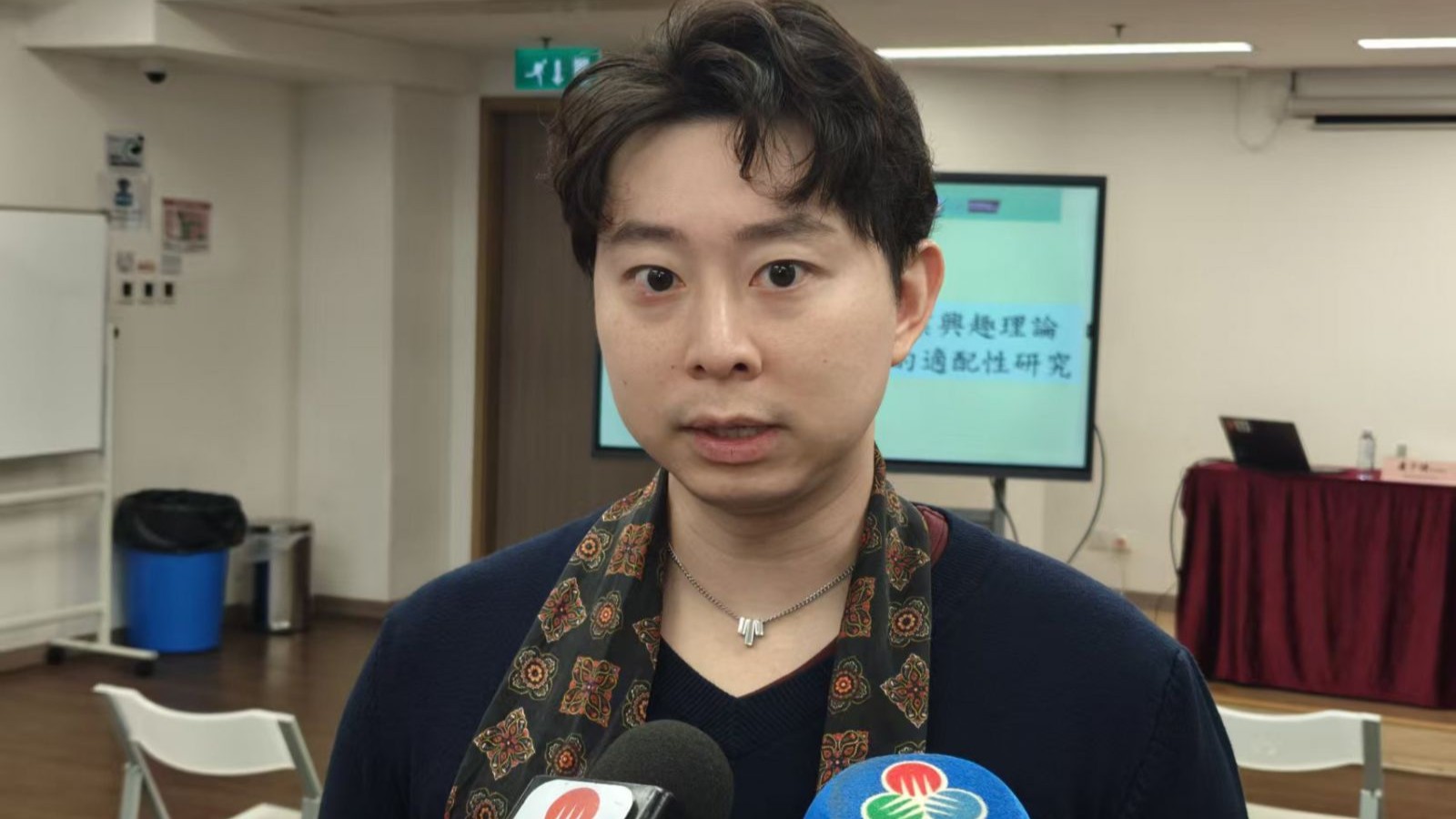
The Director of the MOSD, Dr. Jacky Ho, stated that the findings highlight Macao’s need to construct a systematic life planning education framework spanning from primary and secondary schools to universities. Taking key emerging industries like “Big Health” as an example, it is essential to conduct forward-looking assessments of talent demand and make proactive arrangements in student recruitment, curriculum, and teaching resources to synchronize talent development with industrial growth.
The USJ conducted this study to provide empirical reference for the region’s talent policies and educational planning. It calls for collaborative efforts among the government, educational institutions, and various sectors of society to jointly build a solid bridge for youth transitioning from academia to the workforce, supporting Macao in achieving a win-win future for both societal and individual development.