
USJ and TIS signed a Memorandum of Understanding to expand new pathways for students
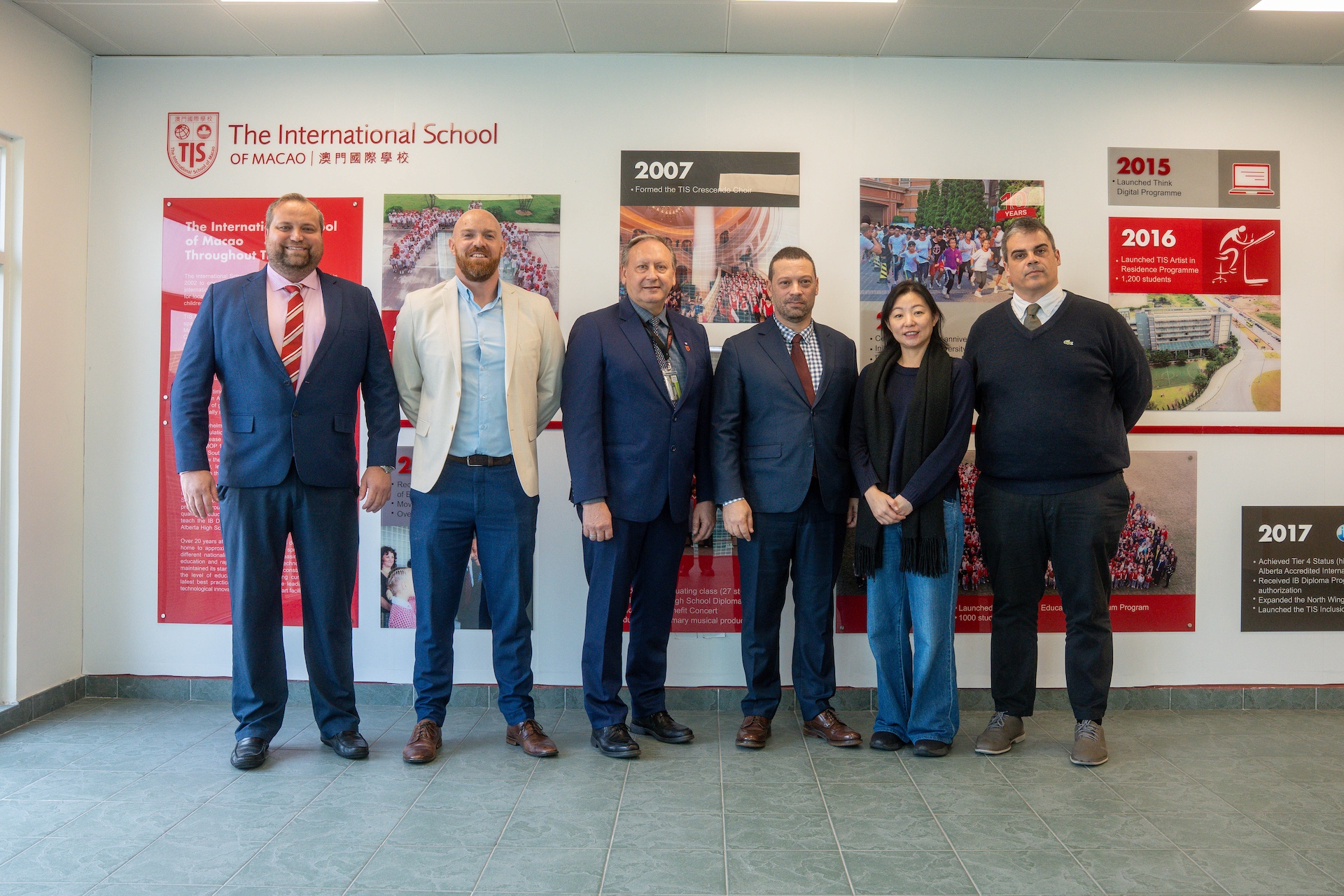
USJ and TIS signed a Memorandum of Understanding to expand new pathways for students
04
Feb
04/02/2026
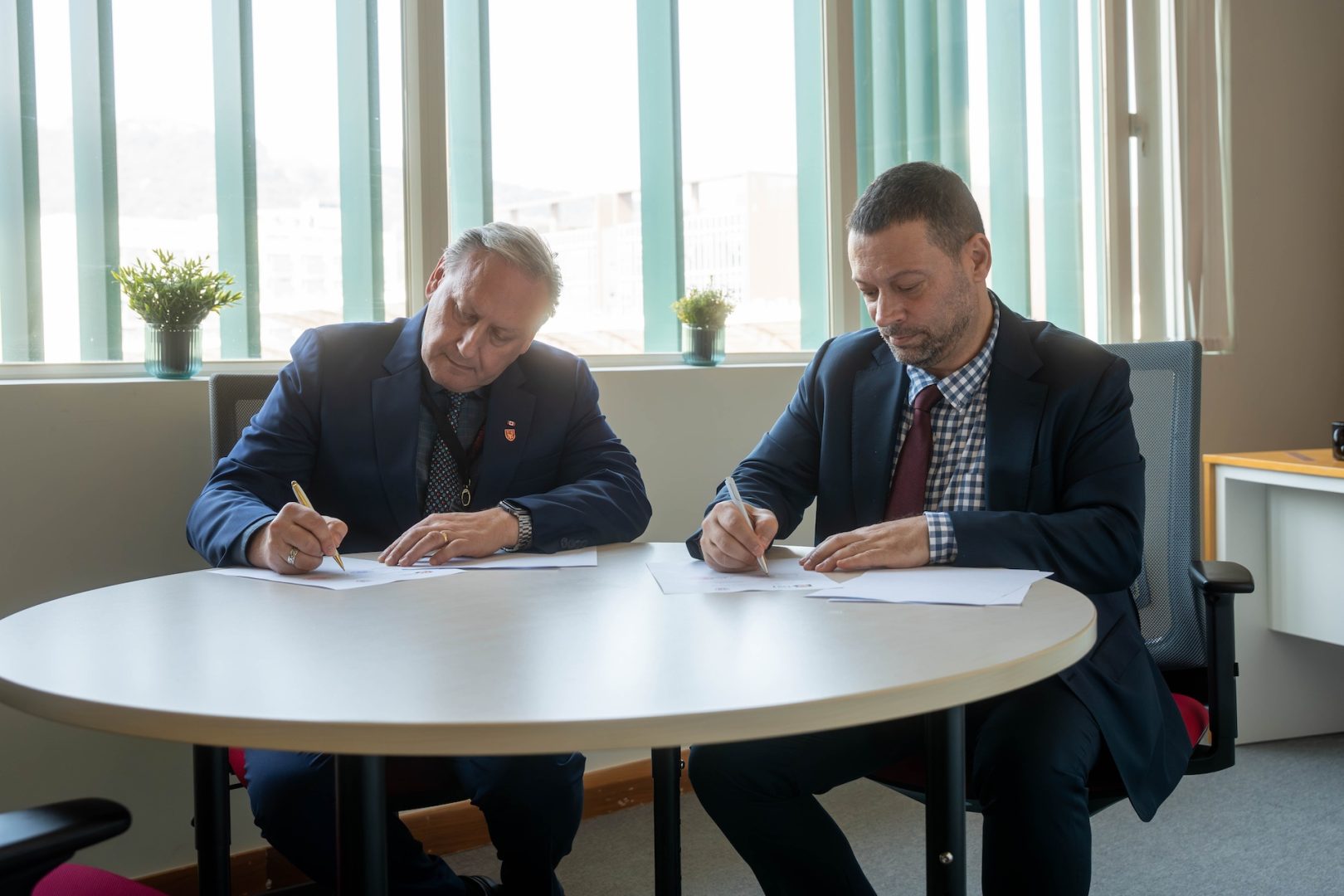
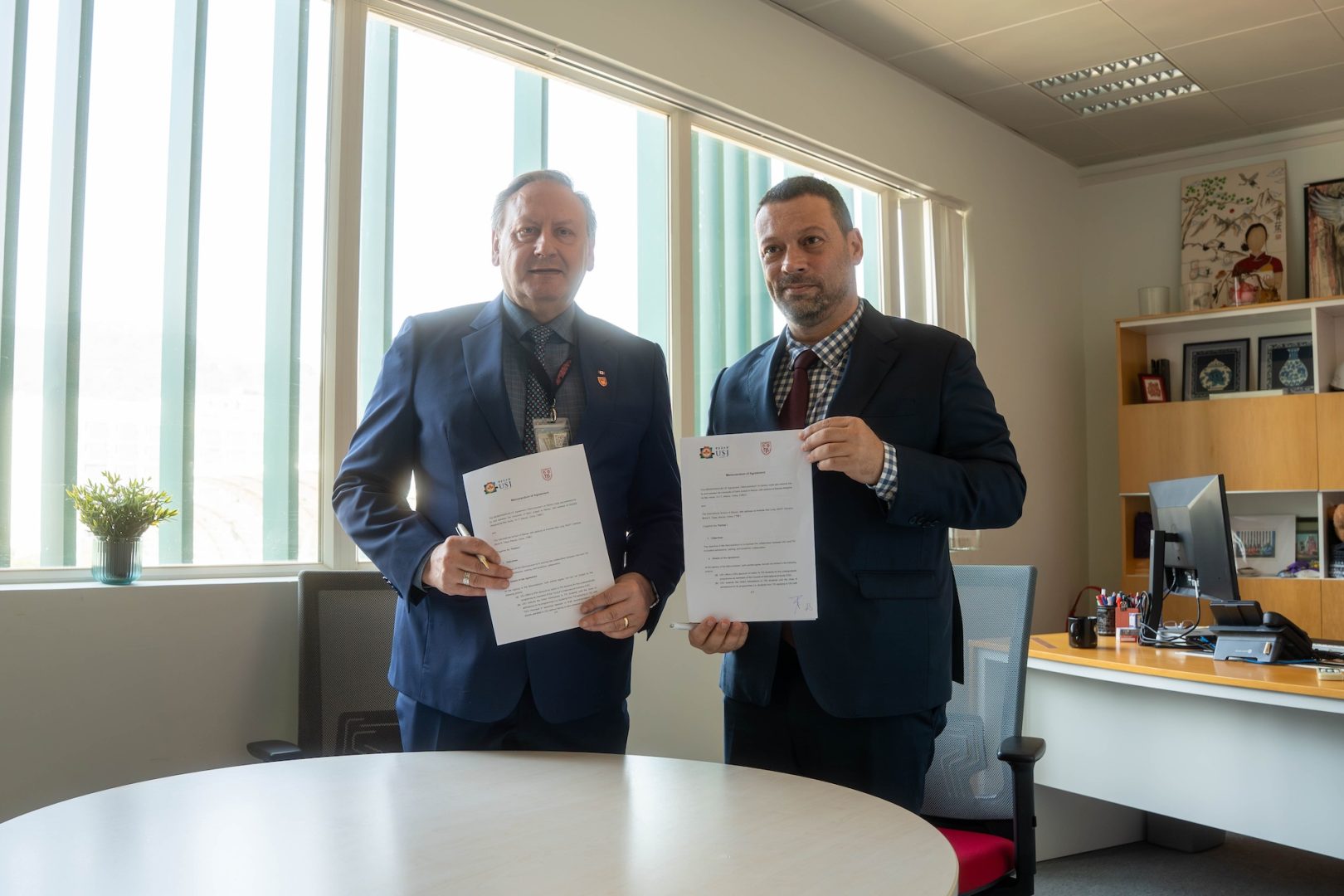
The University of Saint Joseph (USJ) and The International School of Macao (TIS) formalized their partnership by signing a Memorandum of Understanding (MoU) on 27 January.
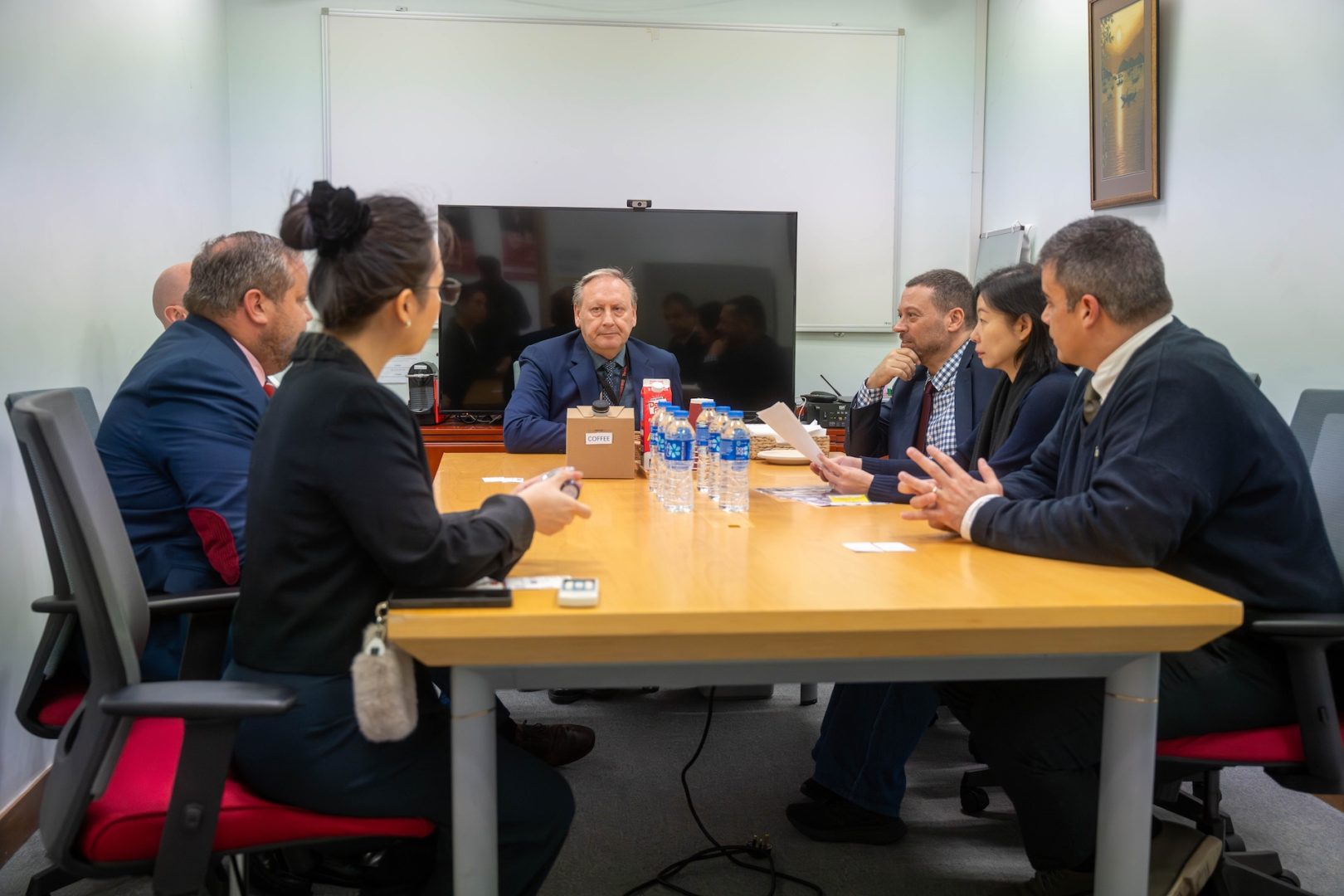
The University of Saint Joseph (USJ) and The International School of Macao (TIS) formalized their partnership by signing a Memorandum of Understanding (MoU) on 27 January, aimed at enhancing collaboration between the two institutions. This agreement is particularly focused on expanding opportunities for TIS students.
Through this MoU, USJ will provide TIS students with access to university-level experiences, mentorship, and pathways for seamless transition to further educational pursuits. This initiative is designed to facilitate early adaptation to the university learning environment, thereby broadening students’ academic and career development options.
The MoU was signed by Professor Álvaro Barbosa, Vice-Rector for Internationalisation and Academic Affairs at USJ, and Mr. Lorne Schmidt, Head of School at TIS.
“This collaboration provides a streamlined pathway for our students, allowing them to expand their range of educational opportunities,” Mr. Schmidt remarked “as a school dedicated to academic excellence, we aim to reduce obstacles for our students, allowing them wider access to higher education programs that can shape their futures and empower the next generation of leaders.” With TIS and USJ both as members of the Council of International Schools (CIS), this is a natural partnership in international education in Macao.
Professor Barbosa expressed that “as Transnational Educational Institution both TIS and USJ are committed to the goal of connecting Macao and China with a worldwide constellation of global education institutions. Particularly, our mutual engagement with the Council of International Schools provides an institutional framework that will allow exciting new developments that bring secondary and tertiary education closer together.”


-60x50.jpg)