USJ-ISE Mangroves team publishes first eDNA-based wetland biodiversity survey in Macao
USJ-ISE Mangroves team publishes first eDNA-based wetland biodiversity survey in Macao
24
Feb
24/02/2026
The mangrove researchers team from the Institute of Science and Environment’s (ISE) have published a new study in Scientific Reports, presenting the first environmental DNA (eDNA)-based biodiversity assessment of wetland ecosystems in Macao.
A new study by researchers from the Mangroves Team at the Institute of Science and Environment (ISE) of the University of Saint Joseph (USJ) has been published in Scientific Reports, a prominent mega-journal published by Nature Portfolio. The study presents the first environmental DNA (eDNA)-based biodiversity assessment of wetland ecosystems in Macao.
Wetlands play a vital role in urban environments by supporting wildlife, improving water quality, and regulating flooding. In Macao, one of the most densely populated cities in the world, many wetland areas have been lost or fragmented due to rapid urban development, making it increasingly important to understand the biodiversity that remains within these ecosystems.
To address gaps in biodiversity data, the team used environmental DNA (eDNA), a method that detects genetic material left behind by organisms in the environment (e.g. in water, sediments/soil, air). This study pioneers the application of eDNA metabarcoding in Macao’s wetlands, focusing on fish and invertebrates as key components of wetland ecosystems. These groups are important bioindicators of ecosystem health and provide insights into food web structure and ecosystem function. The approach offers a non-invasive and highly sensitive alternative to traditional survey techniques, which are often limited by high water turbidity and low visibility in Macao.
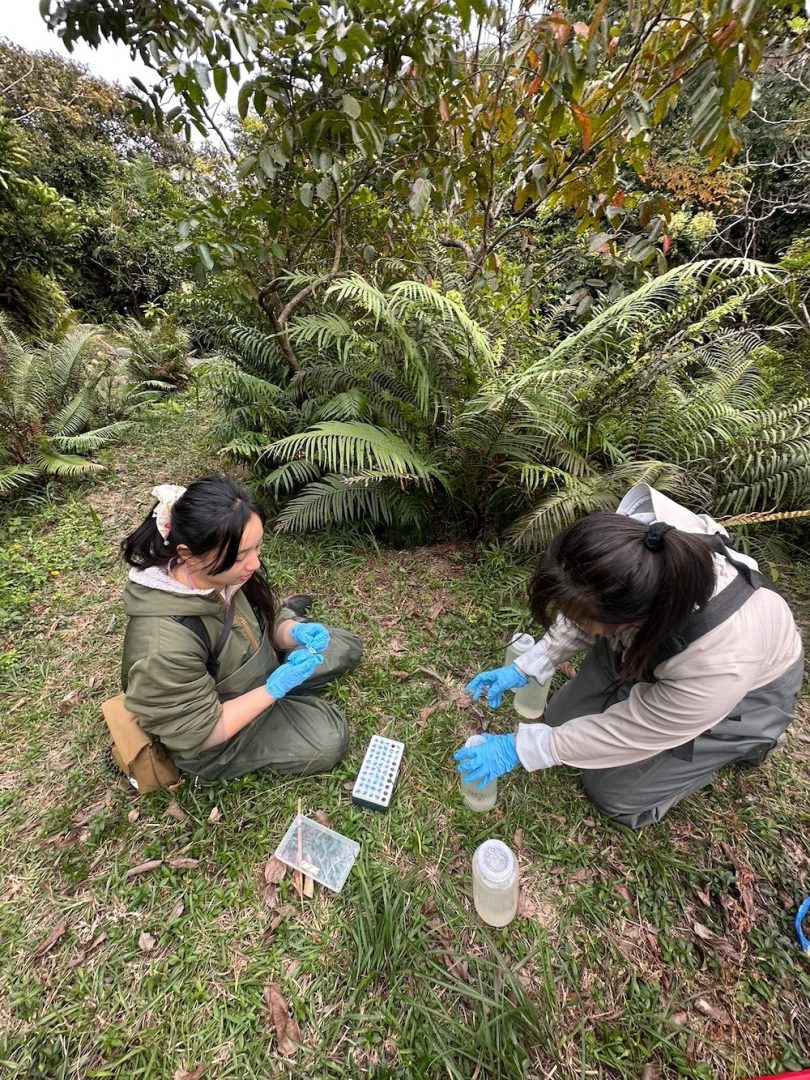
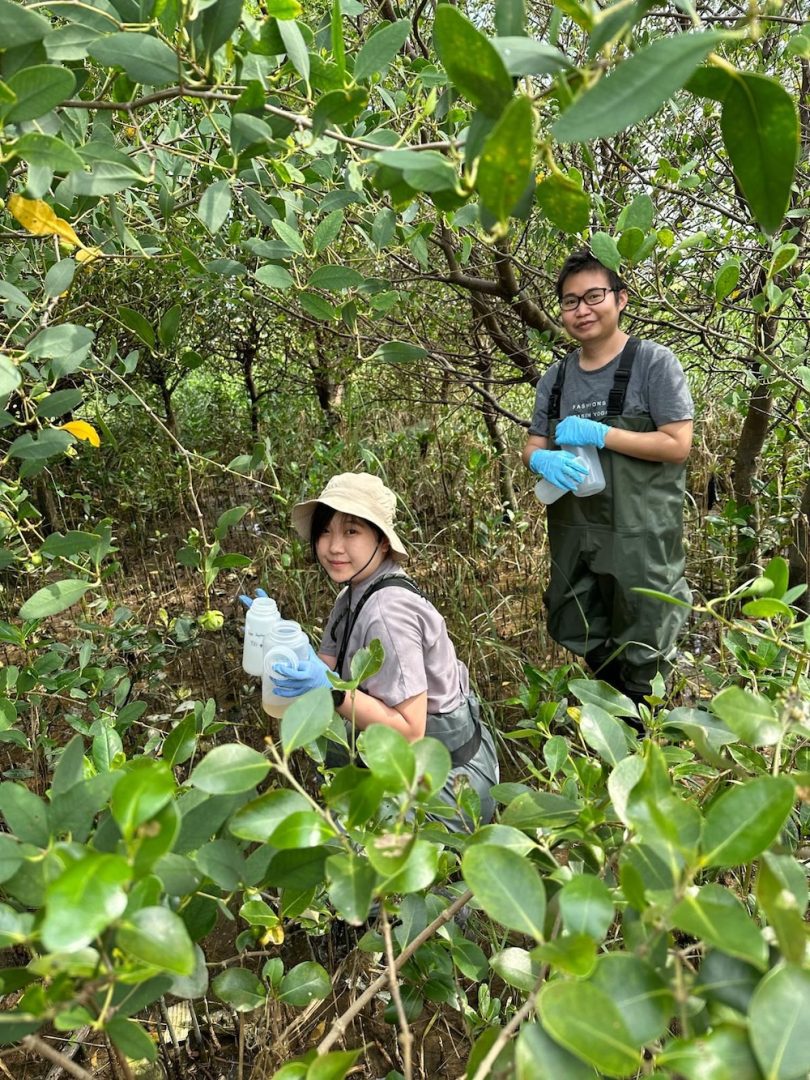
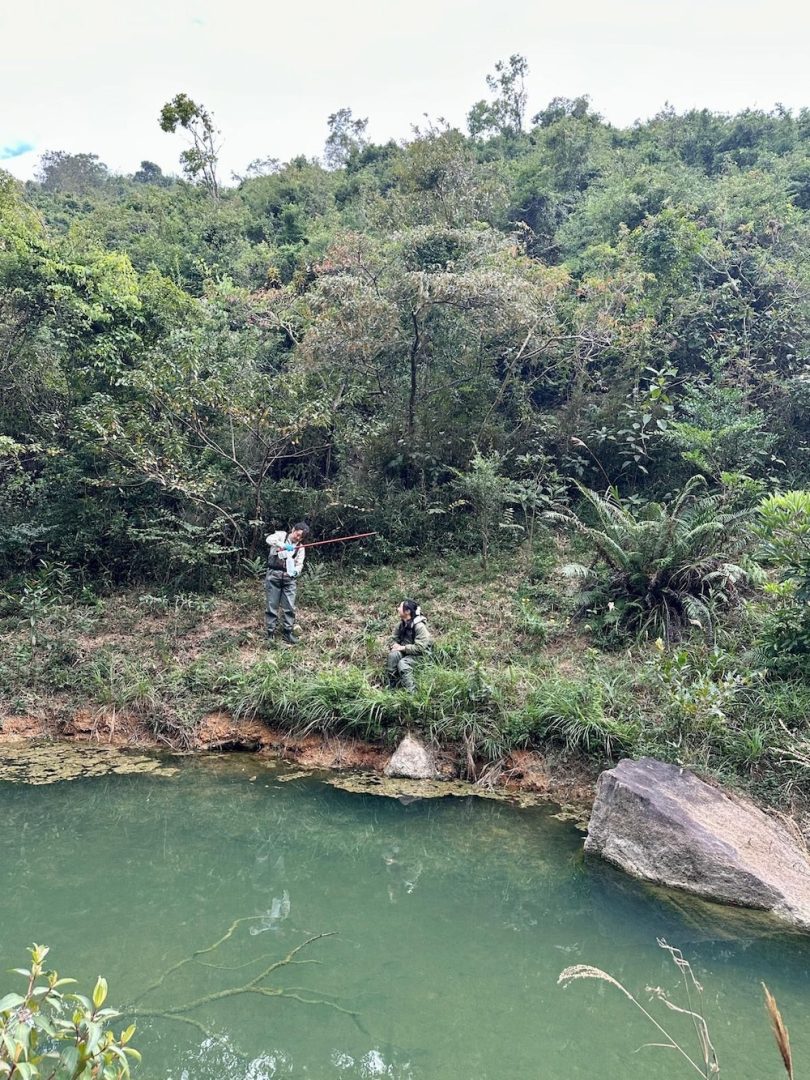
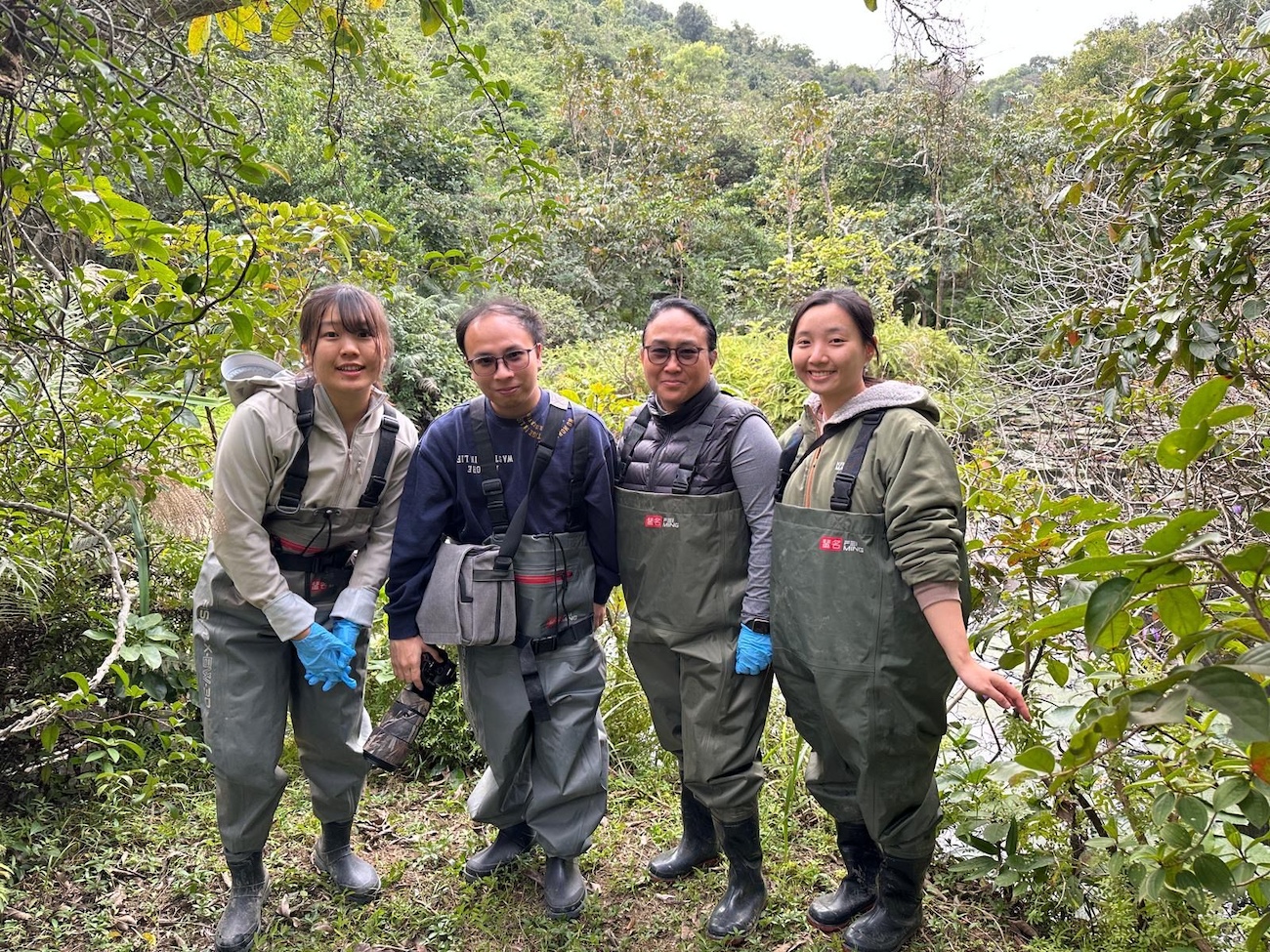
Water samples collected from inland and coastal wetlands revealed a diverse range of fish and invertebrates, including several non-native species that reflect ongoing environmental pressures linked to urbanisation. Native species were also identified, highlighting the conservation value of Macao’s remaining wetlands as refuges for potentially vulnerable biodiversity. The team aims to expand this research to include other groups of organisms in the future.
This work involved extensive field sampling across various wetland sites in Macao, followed by detailed laboratory analyses. These efforts culminated in the successful publication of the study in a reputable peer-reviewed journal.
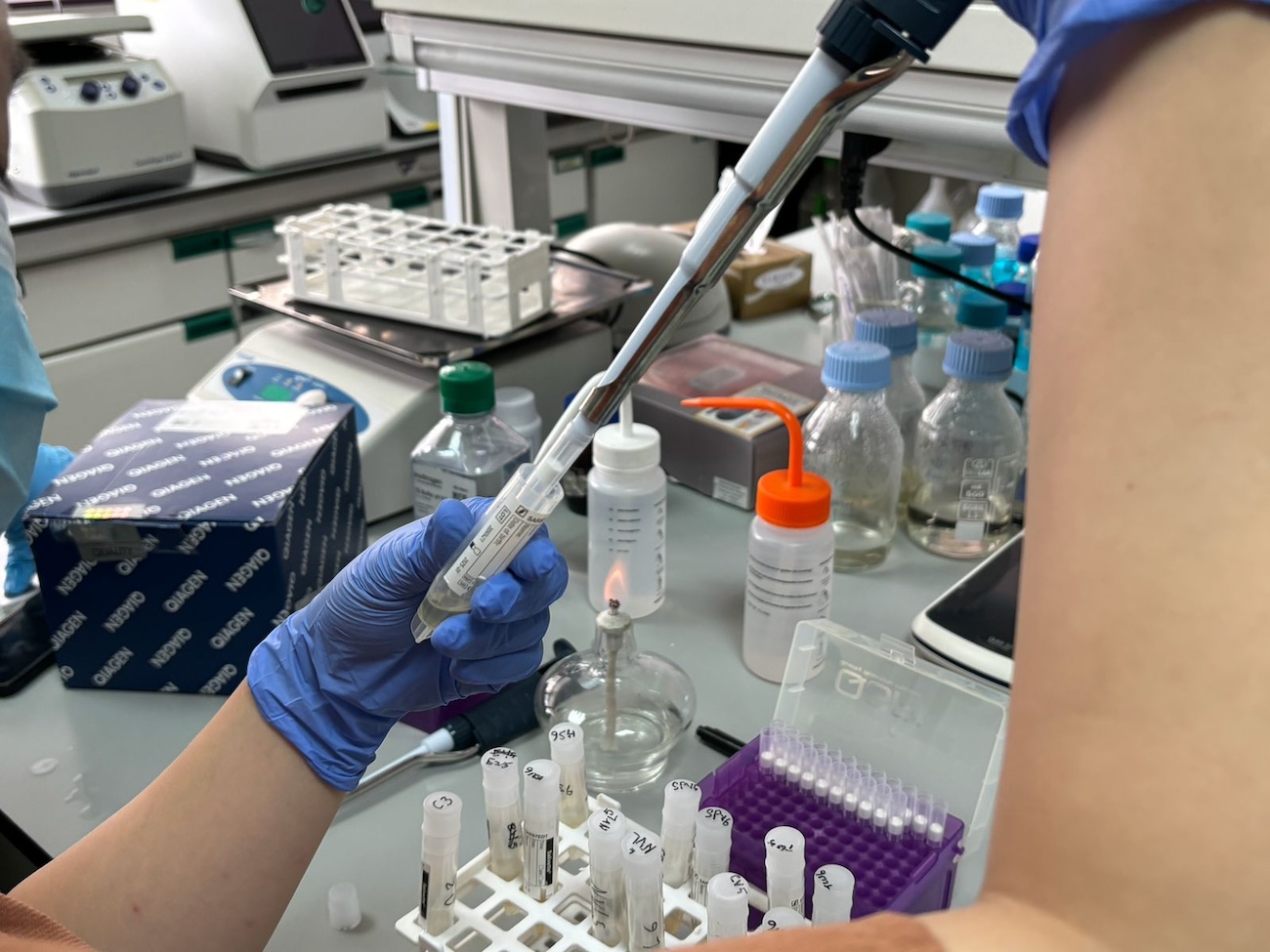
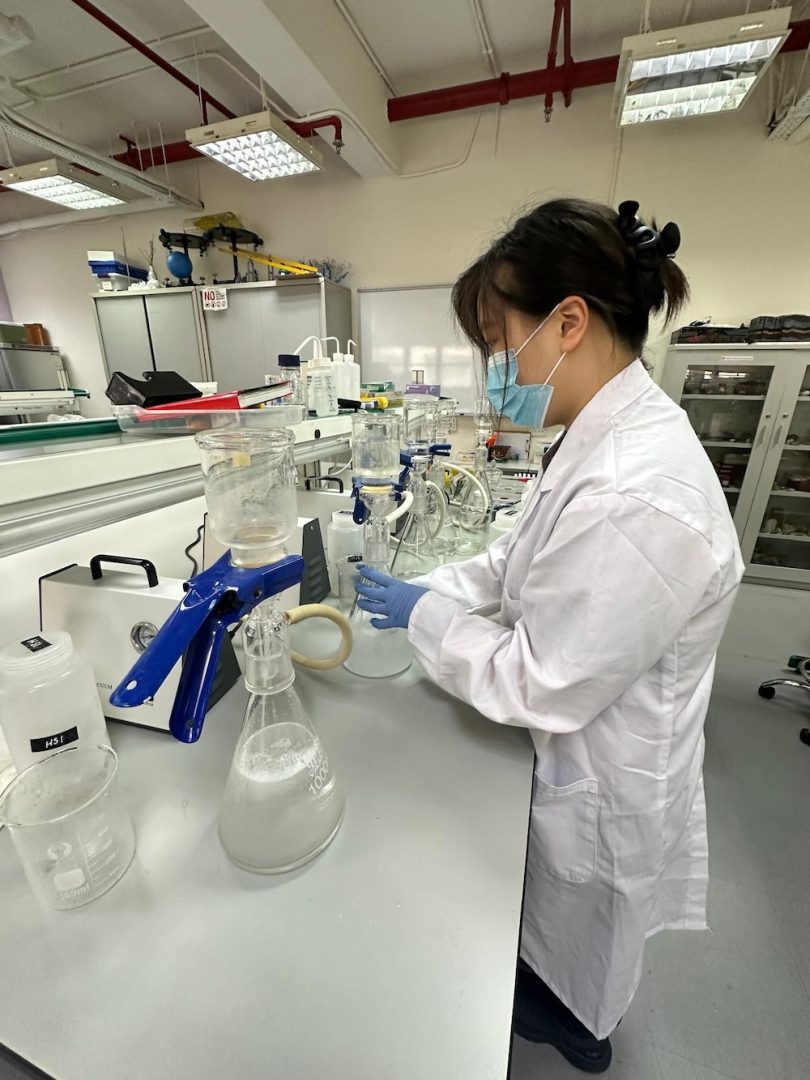
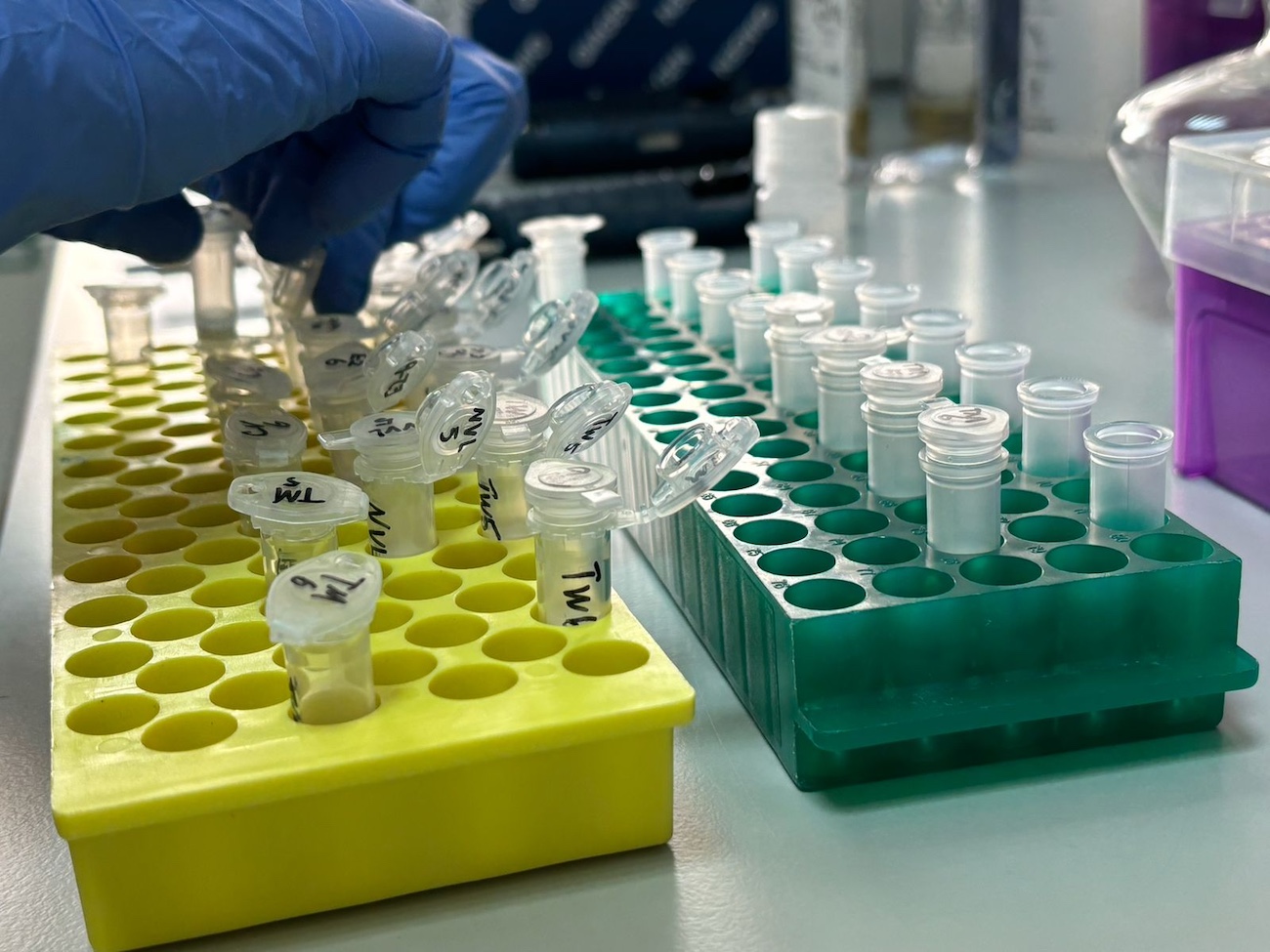
The research was conducted within the framework of the Drop by Drop project, coordinated by Prof. Karen Tagulao, and formed part of the master’s thesis of her student, Leong Mei Kei. The team also includes the project’s senior research assistant, Ms. Yolanda Lau, and collaborators from the University of Minho: Prof. Filipe José Oliveira and Pilar Cabezas. The team also acknowledges the assistance of ISE’s bachelor student Darwi Soo and part-time research assistant Steve Si Tou in supporting fieldwork activities.
Check out the early access version of the paper here: From fish to invertebrates: multi-marker eDNA metabarcoding for monitoring wetland biodiversity and non-indigenous species in Macao SAR China