USJ Students Visit Coloane Spots
USJ Students Visit Coloane Spots
17
Sep
17/09/2026
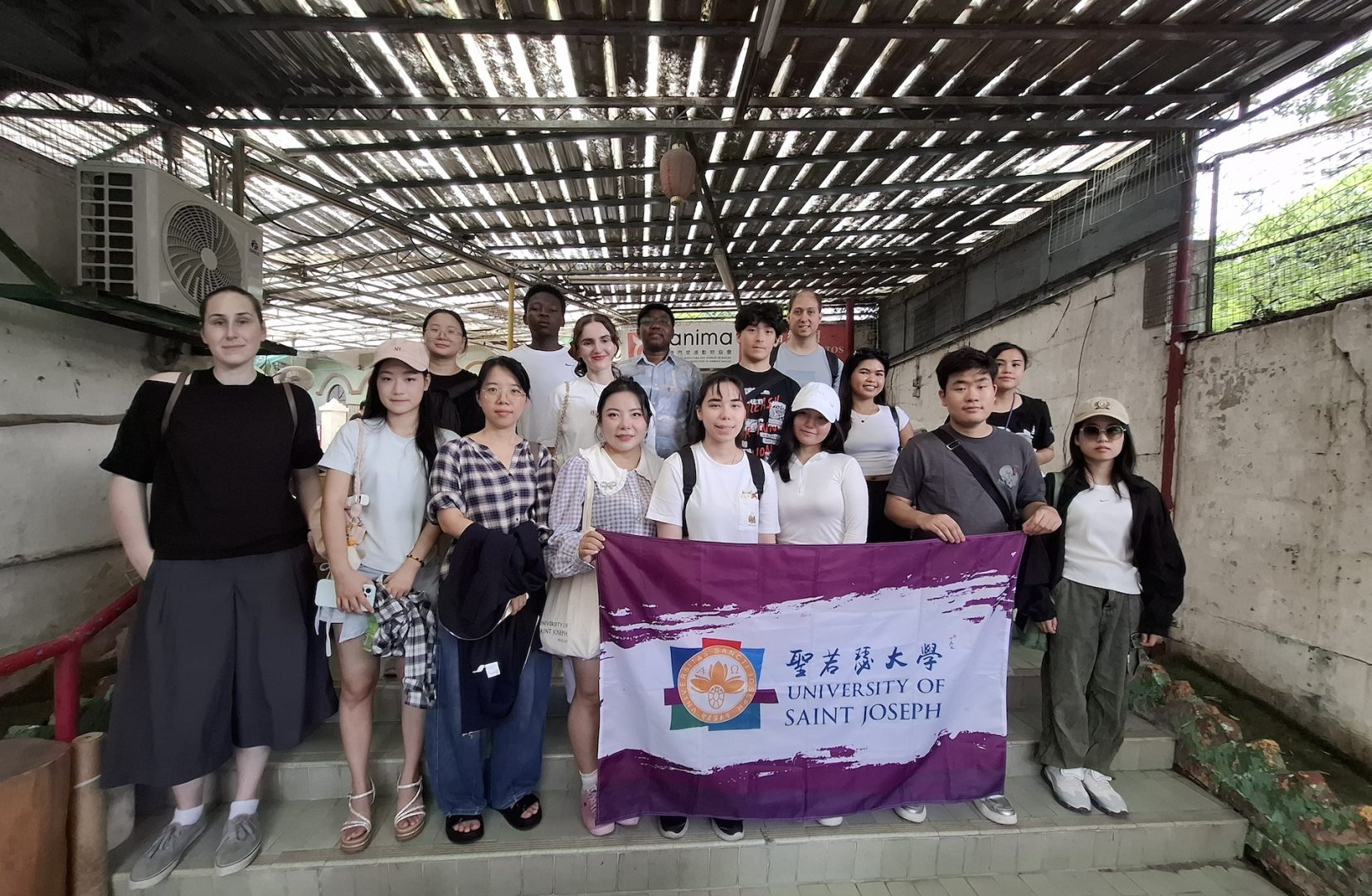
A group of twenty students visited sites including the Macao Giant Panda Pavilion and Pavilion of Rare Animals, the Lai Chi Vun Shipyard Market, and Anima – Society for the Protection of Animals (Macau) in Coloane, focusing on the current state of local cultural and creative industries.
On the 12th of September 2026, the University of Saint Joseph (USJ) organised a local visit themed “Exploring Macao’s Creative Industries”. Sponsored by the Macao Foundation, the tour involved a group of twenty participants who visited several cultural and creative sites in the Coloane area, which provided valuable insights into the development of Macao’s creative industries.
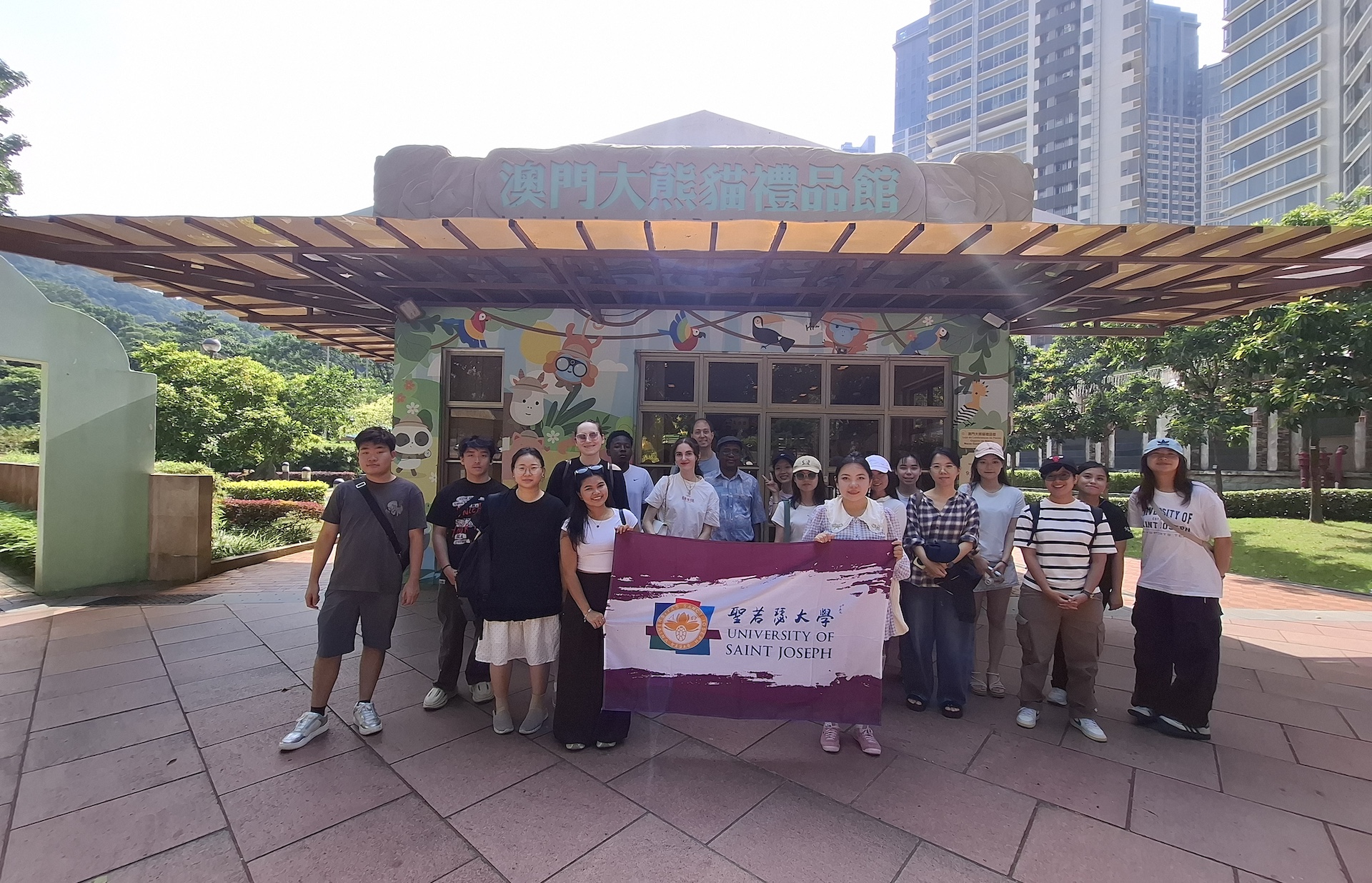
The activity took place in the afternoon. Led by staff from the Office for Student and Alumni Affairs (OSAA), the group first visited the Macao Giant Panda Pavilion and Pavilion of Rare Animals, located in Seac Pai Van Park in Coloane. They also explored the Macao Giant Panda Information Centre and the Macao Giant Panda Gift Shop within the park. Not only did it promote the awareness of giant panda conservation, but also showcased a business model that combines cultural creativity with tourism retail. The gift shop’s operation serves as a classic example of IP-derived product development in the cultural and creative industries, using appealing animal imagery to attract tourist spending and transform cultural symbols into economically valuable products.
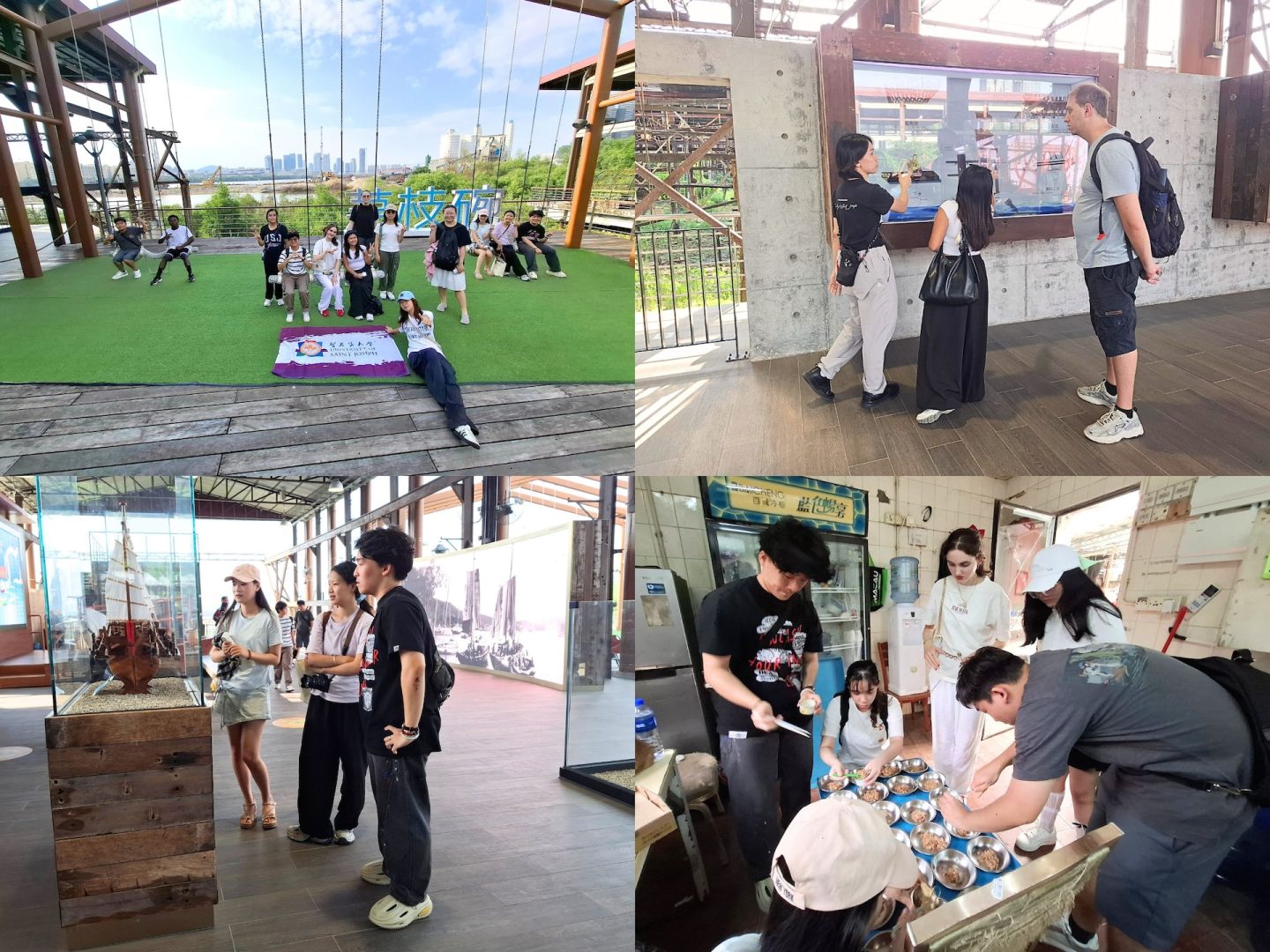
Next, the group visited Anima – Society for the Protection of Animals (Macau), where participants learned about the organisation’s efforts to promote animal welfare. Anima has previously collaborated with local creative initiatives, illustrating how the cultural and creative industries can align with social causes to support animal conservation. The tour concluded with a visit to the Lai Chi Vun Shipyard Market, a revitalised space transformed from an old shipyard. The area now integrates handicrafts, creative market stalls, art exhibitions, and food and beverage outlets, demonstrating Macao’s achievements in creatively repurposing industrial heritage.
This tour allowed students to witness firsthand the diversity of Macao’s cultural and creative industries. From government-supported tourism merchandise development and adaptive reuse of historical architecture to nonprofit organisations incorporating creative practices, the activity reflected Macao’s active exploration of development pathways that harmonize cultural resources with economic benefits.